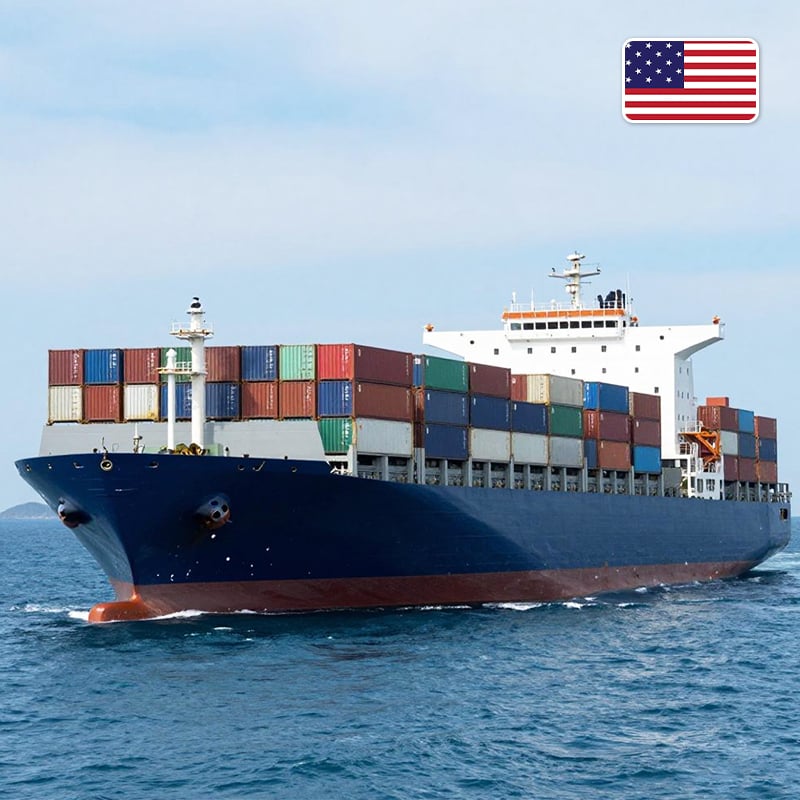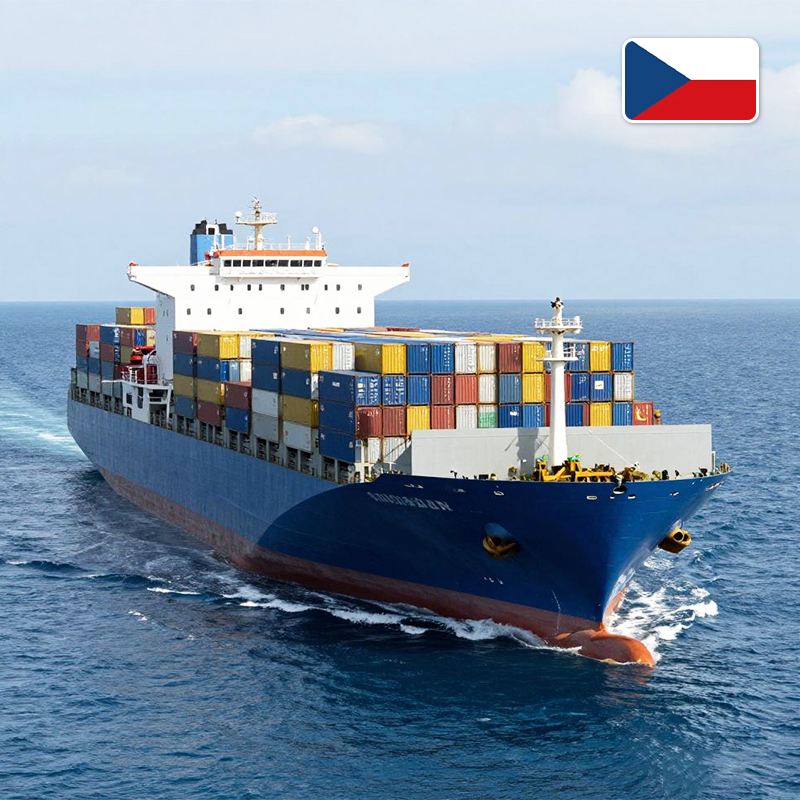
Misunderstanding the roles of a shipping agent and a freight forwarder is a common pitfall that costs B2B businesses millions annually in avoidable delays, compliance penalties, and supply chain disruptions. For importers, OEM manufacturers, and e-commerce sellers moving goods across borders, clearly distinguishing these two critical logistics partners is essential to align service scope with your operational needs, mitigate risks, and optimize total logistics costs. This guide breaks down their core responsibilities, legal obligations, and practical use cases to help you make informed decisions.
A shipping agent is a specialized, port-based intermediary exclusively representing shipowners, vessel operators, or charterers during port calls. Their primary mandate is to ensure vessels comply with local maritime regulations while minimizing turnaround time—directly reducing port-related costs for their principals.
Agents coordinate critical port activities—including securing berths, submitting customs manifests, and supervising cargo loading and unloading. They liaise with port authorities to arrange pilotage, towage, and waste disposal, while verifying that cargo handling adheres to safety and environmental standards. Timely submission of documentation—such as notices of readiness, crew lists, and maritime declarations—is essential to avoid demurrage, detention, or port authority penalties.
As legal representatives, shipping agents operate under binding agency agreements with shipowners. Their authority covers port clearance procedures, emergency communications, and routine operational negotiations—but excludes altering voyage instructions, signing charter parties, or settling disputes without explicit authorization. Liability is strictly limited to acts performed within their delegated scope. This fiduciary role requires rigorous compliance with contractual terms and local maritime law to safeguard both vessel interests and agent credibility.
Freight forwarders serve as end-to-end cargo orchestrators—from origin pickup to final delivery. They consolidate smaller shipments (LCL) into full containers to improve cost-efficiency and space utilization. Forwarders prepare and verify key documentation, including bills of lading, commercial invoices, packing lists, and certificates of origin, ensuring alignment with customs and trade requirements. Their core strength lies in multimodal coordination: integrating sea, air, rail, and road transport by selecting optimal routes, booking carrier capacity, managing transshipment, and resolving intermodal handoffs. Real-time tracking platforms provide clients with actionable visibility across the supply chain.
Freight forwarders assume fiduciary responsibility toward cargo owners, meaning they must act in the client’s best interest at every stage. This includes arranging appropriate cargo insurance—advising on coverage options such as “all-risk” versus FPA—and identifying gaps in protection. They ensure strict adherence to Incoterms® rules, export licensing requirements, hazardous materials regulations (e.g., IMDG Code), and country-specific import controls. Proactive risk mitigation involves contingency planning for disruptions like port congestion, labor strikes, or documentation errors—and conducting internal compliance audits to maintain audit-ready records.
The fundamental distinction between shipping agents and freight forwarders lies in their authority structure, accountability framework, and operational boundaries.
Shipping agents derive legal authority exclusively from shipowners and function as port-based extensions of the vessel operator. Their mandate is tightly scoped: facilitating port entry, regulatory compliance, and physical logistics for the ship. Accountability flows vertically—to the vessel owner—and liability is confined to port-specific execution.
Freight forwarders, by contrast, are appointed by cargo owners and owe fiduciary duties under national laws (e.g., the U.S. Federal Motor Carrier Safety Regulations or UK Consumer Rights Act where applicable) and international conventions like the UN Convention on Contracts for the International Carriage of Goods Wholly or Partly by Sea (Rotterdam Rules). Their authority spans the entire shipment lifecycle—across borders, modes, and jurisdictions—and includes decisions on routing, consolidation, insurance, and documentation. Accountability is horizontal: they bear legal and financial responsibility for cargo integrity, regulatory compliance, and service performance throughout transit.
Service boundaries further clarify the divide: shipping agents operate within defined port limits and focus on vessel-centric tasks; freight forwarders manage cargo-centric processes across global trade lanes. Clear contractual definitions—especially regarding delegation, indemnity, and incident response—are essential to prevent role overlap and liability gaps.
Your decision hinges on three interrelated factors: cargo characteristics, route complexity, and regulatory exposure.
For standardized, low-risk cargo—such as dry bulk commodities or general merchandise moving between well-served ports with stable trade frameworks—a shipping agent provides efficient, cost-effective port representation. Their focused expertise ensures rapid berth allocation, accurate customs manifest filing, and smooth crew logistics—without over-engineering the solution.
Conversely, temperature-sensitive pharmaceuticals, oversized project cargo, or hazardous materials require the broader mandate of a freight forwarder. These shipments demand cross-jurisdictional regulatory navigation (e.g., FDA import alerts, EU REACH compliance), multimodal flexibility (e.g., reefer container + air freight backup), and integrated insurance and contingency planning. Similarly, fragmented trade lanes—like inland destinations served via sea-air-road combinations—or high-compliance corridors (e.g., agricultural imports subject to SPS measures or dual-use exports requiring BIS licensing) necessitate forwarder-level oversight.
Ultimately, prioritize a shipping agent when your primary need is vessel support in port—and a freight forwarder when your priority is end-to-end cargo assurance across borders and modes.
Choosing between a shipping agent and a freight forwarder doesn't have to be complicated—what matters most is partnering with a provider that delivers the full spectrum of services your business needs. The wrong logistics partner can lead to costly delays, compliance penalties, and lost revenue, while the right one turns logistics into a competitive advantage.
For B2B businesses importing from China to global markets, GES Oriental Global is your trusted single-source solution. As both an experienced freight forwarder and a licensed shipping agent with 26 years of industry expertise, we offer end-to-end logistics support, including China-to-USA fast sea freight (14-day pickup), expedited air freight (8-day pickup), Amazon FBA fulfillment, DDP/DDU services, and comprehensive customs clearance. With 100,000 sq. ft. of self-operated overseas warehouses, a dedicated U.S. truck fleet, and 1V1 dedicated customer support, we serve over 30,000 global clients with zero hidden fees and guaranteed service reliability.
Contact us today for a no-obligation, customized logistics quote tailored to your specific import and OEM needs.
 Hot News
2024-11-15
2024-11-11
2024-11-06
2024-10-31
2024-10-28
2024-10-25
GES Oriental Global provides top-tier international freight forwarding services, specializing in Amazon, Walmart, express shipping, air, sea, truck, and China-Europe rail transport.


 EN
EN