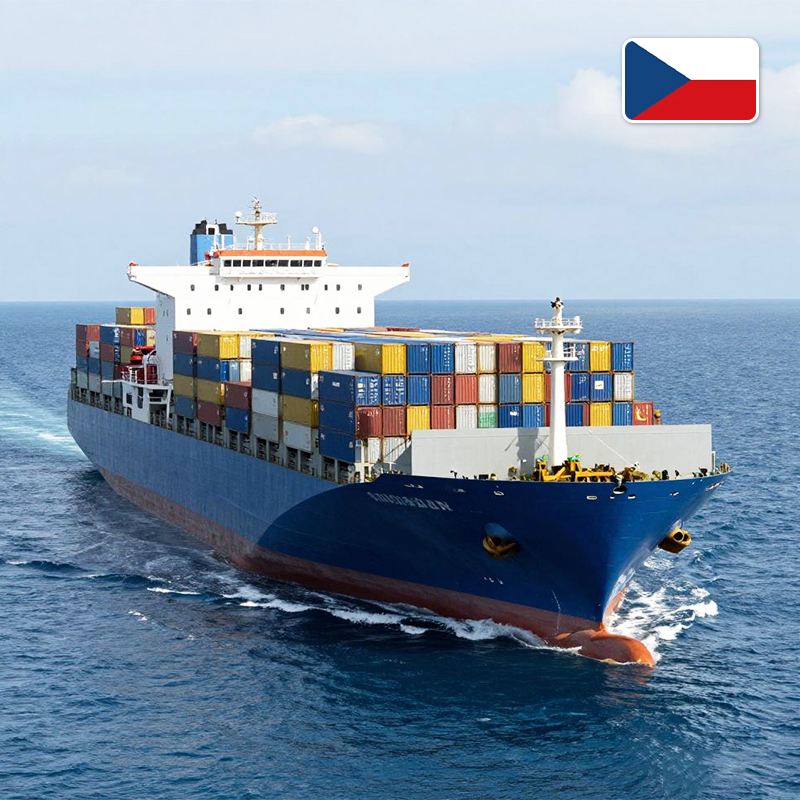
Choosing between sea freight and air freight from China represents one of the most critical decisions in your supply chain strategy. Both methods serve different business needs, cost structures, and timeline requirements. Understanding the distinct advantages and limitations of each approach enables you to optimize your shipping operations and maintain profitability while meeting customer expectations.
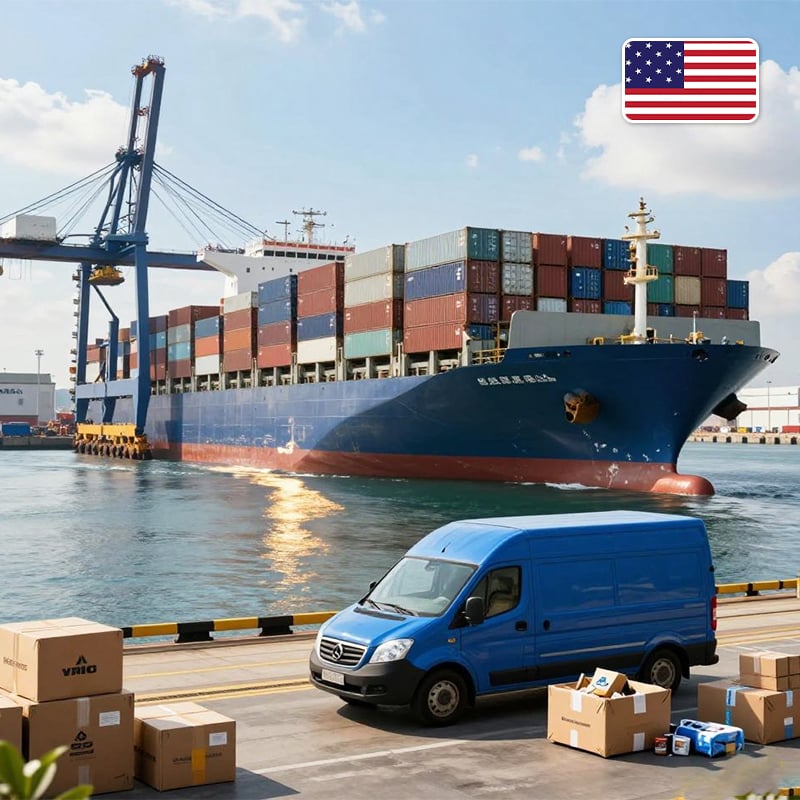
The shipping method you select directly impacts your bottom line, inventory management, and market responsiveness. Sea freight has become the backbone of global trade, while air freight fills niche requirements where speed justifies premium costs. This guide examines both options comprehensively to help you make the right choice for your business model.
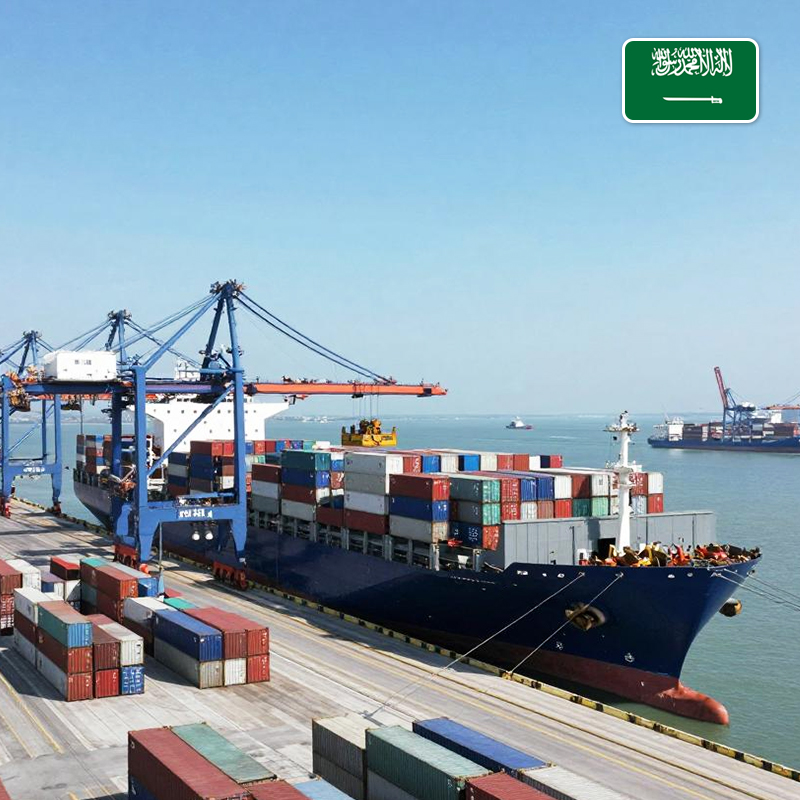
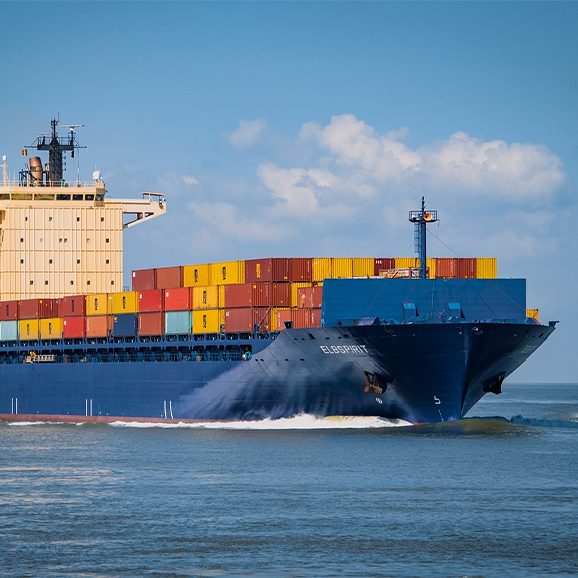
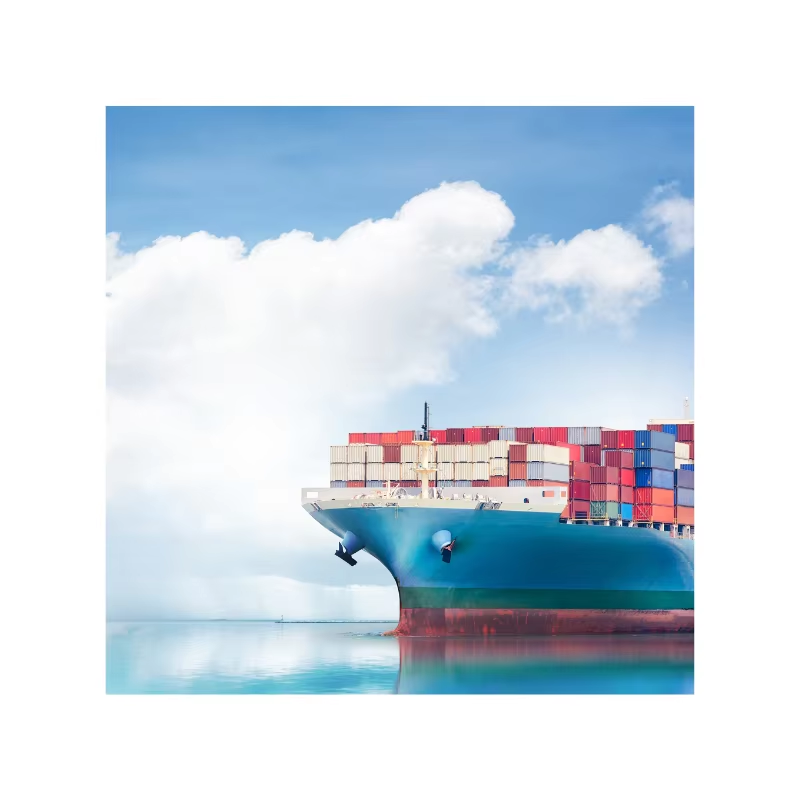
Ocean shipping rates represent the most economical option for moving bulk cargo internationally. Container logistics through maritime channels can reduce per-unit shipping costs by 70 to 80 percent compared to air freight solutions. This dramatic cost advantage makes sea freight the preferred choice for high-volume shipments where delivery timelines extend beyond two to three weeks.
The pricing structure of ocean shipping rates varies based on container size, route demand, fuel costs, and seasonal fluctuations. Standard 20-foot and 40-foot containers provide flexibility for different cargo volumes. Shippers benefit from consolidated container services that share space across multiple merchants, further reducing per-shipment expenses. International maritime transport consolidation opportunities make ocean shipping particularly attractive for small to medium-sized enterprises seeking affordable global expansion.
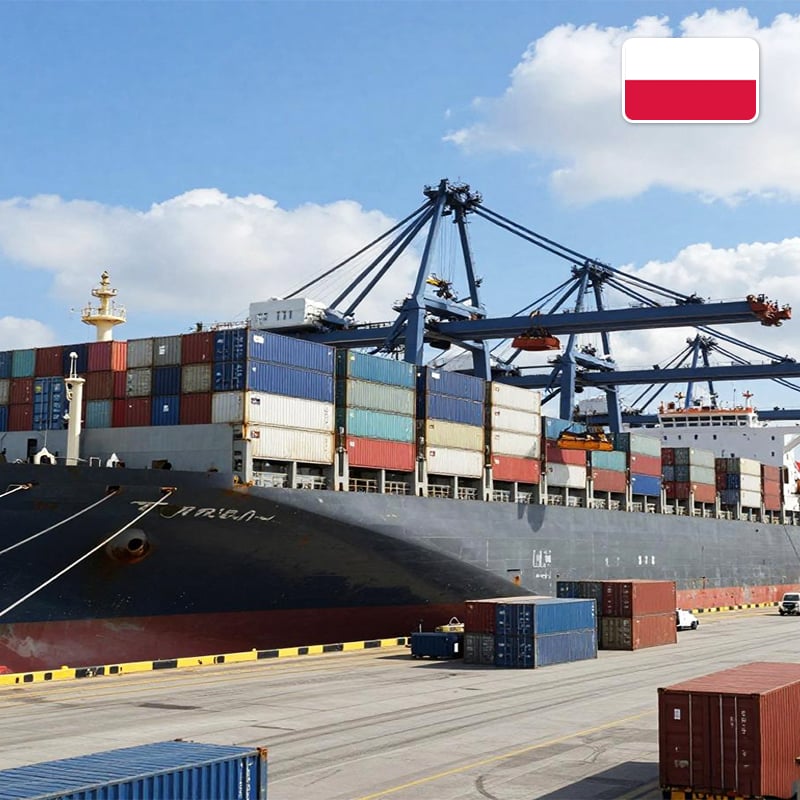
Container logistics represents the standardized framework that powers modern maritime trade. A single 40-foot container accommodates approximately 67 cubic meters of cargo, equivalent to 18 semi-truck loads. This capacity advantage allows businesses to move substantial inventory in fewer shipments, simplifying warehouse management and reducing handling costs throughout the supply chain.
International maritime transport infrastructure has evolved to handle diverse cargo types including electronics, textiles, machinery, and raw materials. Port facilities worldwide now offer specialized services for refrigerated containers, hazardous materials, and oversized items. The flexibility of container logistics means your specific product requirements rarely present obstacles to achieving economical shipping arrangements.
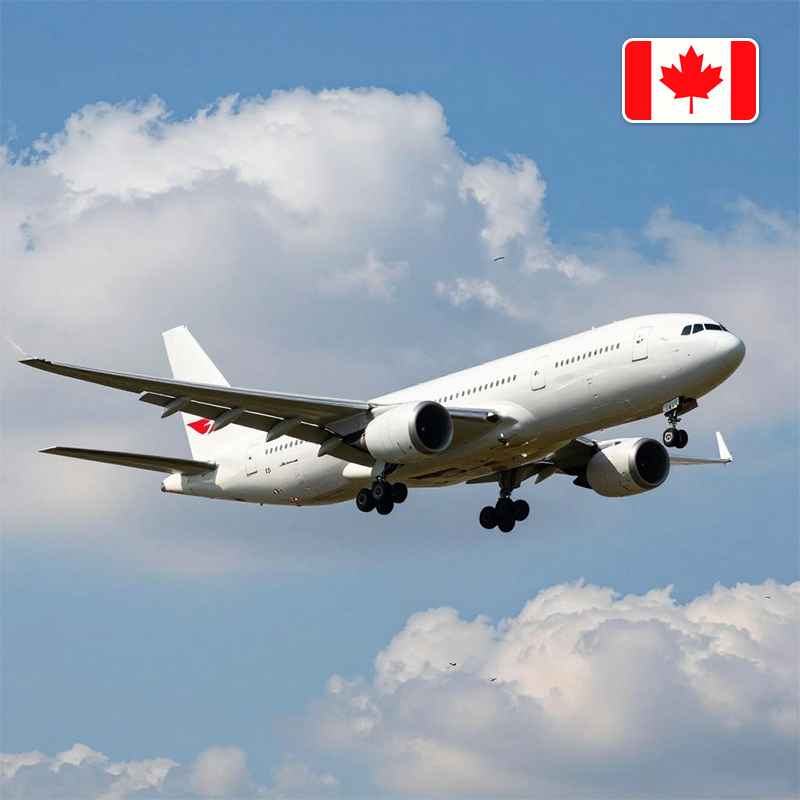
Air freight delivers goods in days rather than weeks, making it indispensable for time-critical situations. Emergency orders, seasonal peak periods, and market-responsive inventory management benefit from expedited air transport. When comparing ocean shipping rates against air freight premiums, the speed differential justifies higher costs only when business circumstances demand rapid fulfillment.
Industries including pharmaceuticals, fashion, electronics, and perishables frequently employ air freight for competitive advantage. A product shortage can damage market share more severely than the added expense of premium freight. However, this justification requires careful analysis rather than routine application. Shipping method selection should reflect actual business risk, not assumed preference for faster delivery.
Air freight expenses typically run three to five times higher than equivalent sea freight costs. These substantial premiums accumulate quickly across multiple shipments, materially affecting gross margins. Additionally, aircraft cargo holds impose strict weight and dimensional limitations that restrict shipment sizes compared to container logistics flexibility.
Volume constraints force businesses into multiple smaller shipments when air freight becomes necessary, compounding costs further. Storage fees, handling charges, and customs clearance expenses add complexity that ocean shipping often simplifies through consolidated maritime processes.
Begin your shipping method evaluation by quantifying both timeline requirements and cost sensitivity. International maritime transport typically requires 15 to 35 days from China to North American ports, depending on route and seasonal conditions. If your demand forecasting permits advance ordering with reasonable safety stock buffers, ocean shipping rates provide compelling financial advantages.
Calculate the break-even point where premium air freight costs offset inventory holding expenses and working capital requirements. Container logistics economics strongly favor sea freight for planned, recurring shipments. Reserve air freight for genuine emergencies rather than chronic planning failures or demand volatility that should trigger operational improvements instead.
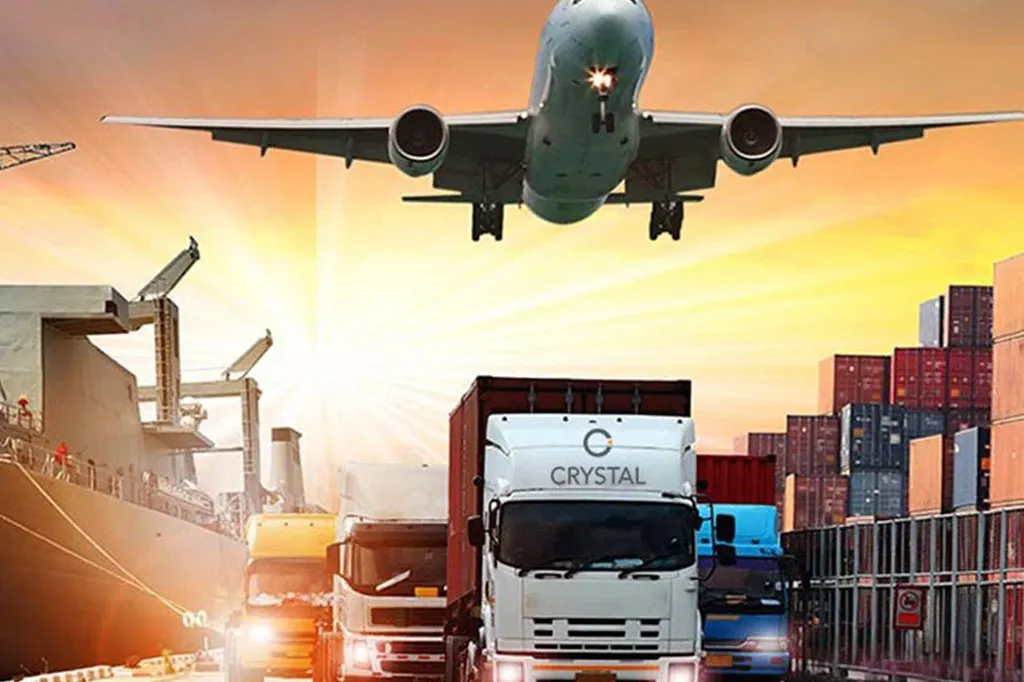
Progressive businesses often employ combination strategies that leverage both methods strategically. Routine replenishment shipments utilize ocean shipping to minimize ongoing transportation costs. Safety stock for unexpected demand spikes or competitive threats moves via air freight in smaller quantities. This balanced approach maintains competitive responsiveness while preserving margin integrity through disciplined ocean shipping rates management.
Supply chain resilience improves when businesses develop relationships with both maritime and air freight providers. Port congestion, carrier capacity constraints, or force majeure events occasionally necessitate backup transport solutions. Maintaining flexibility across international maritime transport options protects against disruptions while supporting optimal cost performance under normal conditions.
Ocean shipping rates fluctuate based on fuel costs, seasonal demand, port congestion, vessel capacity utilization, and route distance. Peak seasons like pre-holiday periods drive container logistics rates higher due to concentrated demand. Long-term shipping contracts can provide rate stability, while spot market purchases expose you to current pricing. Currency exchange rates also indirectly impact international maritime transport costs through fuel and operational expense adjustments.
Full container logistics arrangements guarantee dedicated space for your cargo, providing speed and security advantages. Less-than-container-load consolidation shares space with other shippers, reducing per-unit ocean shipping rates but extending transit times through additional handling. Choosing between these options depends on your shipment volume, timeline flexibility, and cost priorities within the international maritime transport framework.
Yes, consolidation services and shared container logistics make ocean shipping rates accessible to enterprises of all sizes. Many freight forwarders specialize in grouping shipments from multiple small vendors into full containers, dramatically reducing per-shipment costs. This democratization of international maritime transport enables smaller competitors to match pricing advantages historically reserved for large-volume importers.
 Hot News
2024-11-15
2024-11-11
2024-11-06
2024-10-31
2024-10-28
2024-10-25
GES Oriental Global provides top-tier international freight forwarding services, specializing in Amazon, Walmart, express shipping, air, sea, truck, and China-Europe rail transport.
 EN
EN