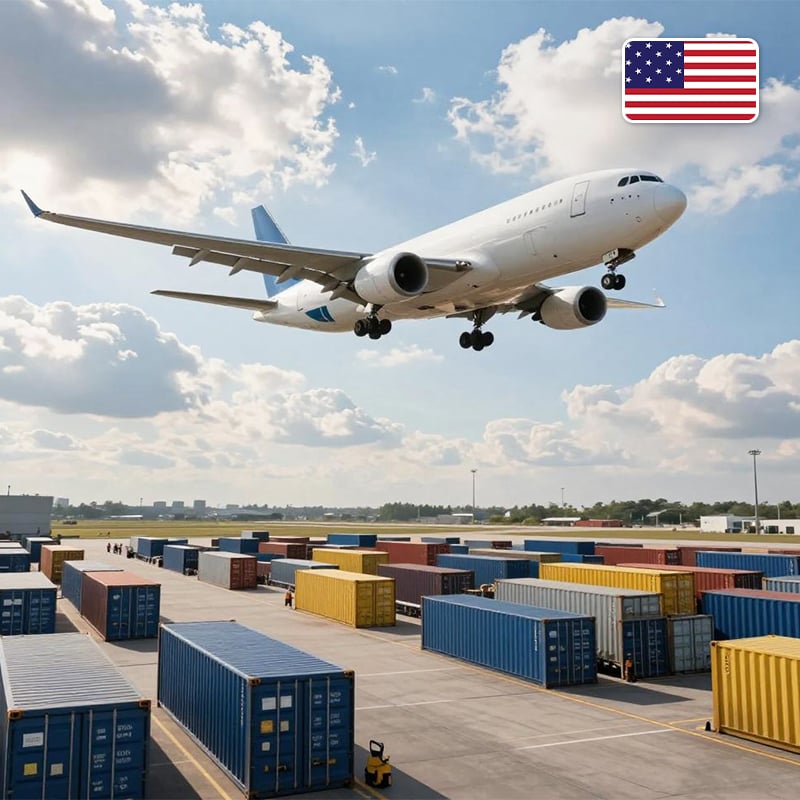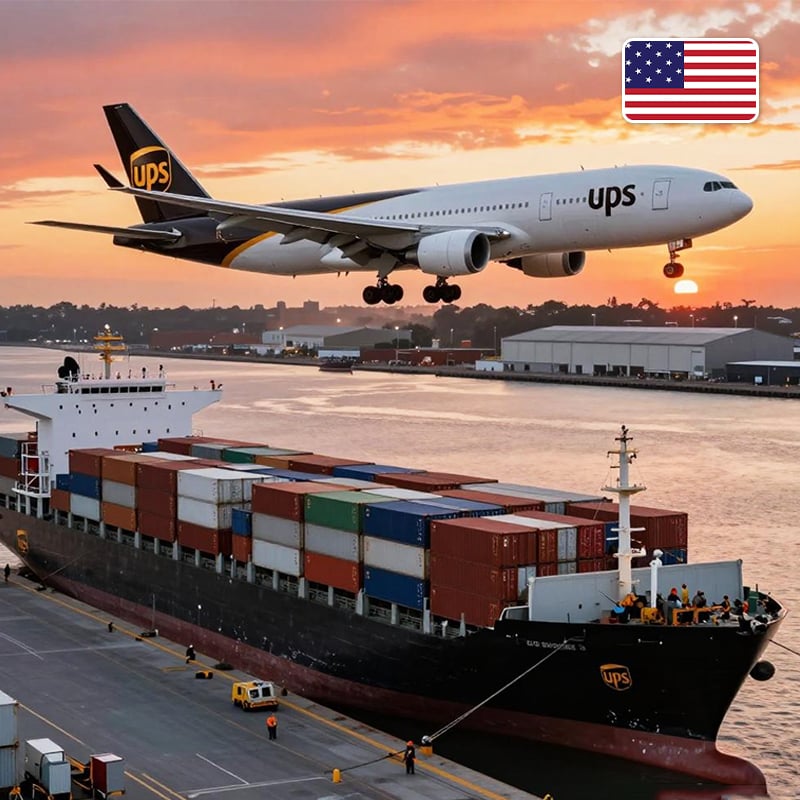
Selecting the right freight forwarder for shipping to middle east operations requires careful evaluation of multiple factors that directly impact delivery timelines, costs, and compliance outcomes. The Middle East represents a strategically important market for global trade, yet navigating its unique customs requirements, port infrastructure, and regulatory environment demands expertise that not all logistics providers possess equally. Your choice of freight forwarder will determine whether your shipments arrive on schedule, within budget, and fully compliant with local regulations.

The Middle East logistics landscape involves distinct considerations that differ from shipping routes to other regions. Evaluating middle east shipping rates and costs alongside service quality ensures you receive competitive pricing without sacrificing reliability. Understanding customs clearance middle east procedures, local documentation standards, and port-specific requirements separates competent forwarders from those that will create costly delays and operational friction for your business.
Middle east shipping rates and costs fluctuate based on seasonality, fuel surcharges, port congestion, and route-specific demand patterns. The primary shipping corridors from China to major hubs like Dubai, Saudi Arabia, and the UAE experience predictable cost variations tied to peak trade seasons and global container availability. Freight forwarders with established relationships at origin and destination ports typically secure better rates than smaller operators without regional infrastructure, making this a critical evaluation criterion.
A reliable freight forwarder provides transparent rate breakdowns covering base freight, fuel surcharges, port handling fees, and regulatory surcharges specific to Middle East destinations. Comparing middle east shipping rates and costs across multiple providers reveals significant variations in documentation fees, customs brokerage charges, and terminal handling costs. The lowest quoted rate often masks hidden fees that emerge during the shipping process, so requesting all-inclusive pricing ensures accurate budget forecasting.
Freight forwarders maintain volume-based rate agreements with shipping lines and port operators, enabling them to pass savings to regular clients. When evaluating middle east shipping rates and costs, inquire about dedicated container programs, consolidation services, and preferential rates for consistent volume commitments. Long-term partnerships with forwarders often yield price reductions and service priority that offset any perceived benefit of switching providers for marginal rate savings.
Customs clearance middle east procedures demand precise documentation alignment with destination country regulations, which vary significantly across the region. Each Middle Eastern nation maintains distinct import duties, prohibited item classifications, origin certification requirements, and hazardous goods protocols that determine clearance speed and cost. Freight forwarders experienced in customs clearance middle east operations understand these nuances and position your shipments for rapid port clearance rather than inspection delays that generate demurrage charges.
A qualified forwarder anticipates customs clearance middle east requirements by pre-coordinating with local customs brokers, preparing comprehensive documentation packages, and flagging potential compliance issues before shipment departure. They verify product classifications, ensure invoicing accuracy, obtain necessary certifications, and coordinate with destination authorities to prevent clearance bottlenecks. This proactive approach to customs clearance middle east reduces port dwell times from weeks to days, directly lowering your total logistics costs.
Customs clearance middle east effectiveness depends on having qualified local customs brokers and freight handlers embedded within each destination port. Forwarders maintaining permanent offices or established agent networks in major Middle Eastern ports execute customs clearance middle east procedures with operational efficiency that independent brokers cannot replicate. These regional partnerships ensure your shipments receive priority handling, rapid documentation processing, and resolution of any compliance questions without prolonged delays.
International logistics middle east operations require integrated capabilities spanning ocean freight, air shipping, ground transportation, and warehousing services tailored to Middle Eastern supply chains. A comprehensive freight forwarder offering international logistics middle east solutions provides end-to-end visibility from factory pickup in China through final delivery at your Middle Eastern destination. This integrated approach eliminates handoff points, reduces communication delays, and creates accountability for overall shipment performance rather than fragmented responsibility across multiple providers.
The best international logistics middle east partners maintain real-time tracking systems, provide regular status updates, and proactively alert you to potential delays before they materialize. They coordinate with port terminals, manage cargo consolidation, arrange customs pre-clearance, and handle contingencies like equipment unavailability or documentation corrections without requiring your direct intervention. This level of service sophistication requires operational investment that separates premium forwarders from basic freight brokers.
Modern international logistics middle east providers leverage digital platforms that integrate shipment tracking, customs documentation, invoice management, and performance analytics into unified systems accessible to all supply chain stakeholders. These technology platforms reduce manual data entry, accelerate document transmission to customs authorities, and enable data-driven decisions about routing, mode selection, and vendor performance. When evaluating freight forwarders, inquire about their international logistics middle east technology capabilities and how transparently they communicate shipment status throughout the transit journey.
Verify IATA and FIATA certifications, confirm established relationships with major shipping lines and Middle Eastern ports, review regulatory compliance records, and request references from existing clients shipping similar products to comparable destinations. Ask about their customs clearance middle east experience, international logistics middle east capabilities, and whether they maintain permanent regional presence or partner with established local agents. Inquire about insurance coverage, technology platforms, and dispute resolution procedures for claims or performance failures.
Middle east shipping rates and costs vary based on carrier relationships, volume commitments, service levels, and included services like customs brokerage and documentation. Request comprehensive quotes specifying all fees, compare all-inclusive pricing rather than base freight alone, and assess what services are included versus additional charges. Factor in performance variables like transit time reliability, customs clearance speed, and damage rates when comparing middle east shipping rates and costs, as the lowest price often correlates with service compromises.
Customs clearance middle east directly impacts total transit time, demurrage costs, and ultimate delivery reliability, making it a critical logistics component rather than administrative formality. Forwarders with customs clearance middle east expertise reduce port dwell time, prevent inspection delays, and optimize duty and tax assessments. Poor customs clearance middle east execution creates cascading delays, storage costs, and potential shipment penalties that dwarf any savings achieved through lower base shipping rates.
 Hot News
2024-11-15
2024-11-11
2024-11-06
2024-10-31
2024-10-28
2024-10-25
GES Oriental Global provides top-tier international freight forwarding services, specializing in Amazon, Walmart, express shipping, air, sea, truck, and China-Europe rail transport.



 EN
EN