A strategic shipping forwarder transforms tariff management from a reactive cost into a competitive advantage. Under trade pacts like USMCA (United States–Mexico–Canada Agreement) and CPTPP, duty rates hinge on nuanced rules of origin and precise Harmonized System (HS) classification—requirements that shift with regulatory updates and audit scrutiny. Leading forwarders embed automated customs documentation tools that cross-reference live shipment data against current preference criteria, enabling real-time duty optimization. This prevents overpayment and mitigates penalties for misclassification or incomplete origin verification.
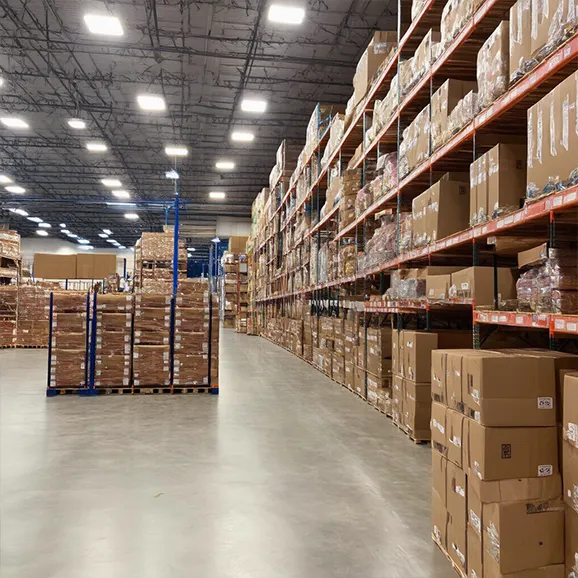
By coordinating access to free trade zones and bonded warehouses, forwarders also support tariff deferral or reduction until goods enter final consumption markets. For North American exporters, the ability to validate and document USMCA eligibility at every supply chain node—not just at export—can eliminate tariffs on qualifying goods across all three countries. As U.S. Customs and Border Protection (CBP) increases audits of preferential claims and the Office of the U.S. Trade Representative (USTR) revises enforcement protocols, forwarders with embedded compliance intelligence ensure ongoing adherence without sacrificing speed.
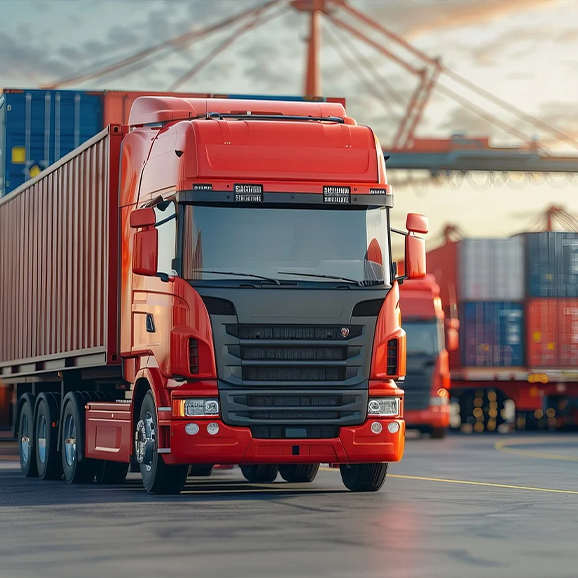
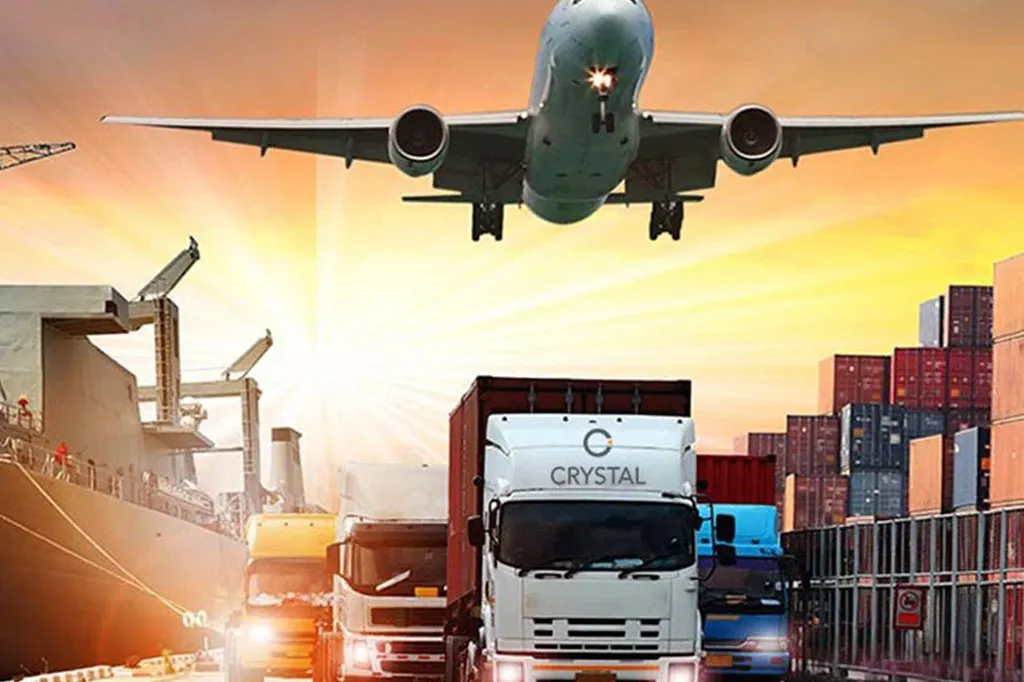
Nearshoring is reshaping global logistics—driving demand for agile, multimodal connectivity across corridors like Mexico’s Bajío region, Vietnam’s industrial hubs, and Eastern Europe’s rail gateways. In this environment, the shipping forwarder serves as the central orchestrator, integrating road transport, intermodal rail, and less-than-container-load (LCL) consolidation into unified, cost-responsive routes.
Consider a Guadalajara-based manufacturer shipping to Chicago: a forwarder coordinates trucking to an inland rail ramp, seamless transfer to Class I rail for cross-continent movement, and drayage to final distribution—all while managing documentation, liability handoffs, and carrier performance. Unlike siloed providers, top-tier forwarders dynamically optimize mode selection based on lead time, cost sensitivity, and capacity constraints—switching to air or FCL when urgency or volume warrants it. With API-driven TMS integration and granular milestone tracking, they deliver end-to-end visibility that enables rapid response to port congestion, labor actions, or border delays. This operational cohesion is not just convenient—it’s foundational to inventory velocity and service-level reliability in nearshoring strategies.
The most capable forwarders now leverage artificial intelligence to move beyond static carrier selection. Their AI engines ingest historical transit performance, real-time capacity signals, lane-specific compliance requirements, and even predictive weather or port congestion data to recommend optimal carriers and routing—updated continuously as conditions change. When tightly integrated with enterprise transportation management systems (TMS), these tools unify booking, documentation, exception handling, and financial reconciliation in one workflow.
Automated customs documentation goes further than template filling: it applies jurisdiction-specific logic—such as CBP’s ACE filing rules or EU’s ICS2 pre-arrival requirements—to auto-generate accurate entry summaries, certificates of origin, and commercial invoices. This reduces manual intervention by up to 70%, cuts clearance cycle times by 30–50%, and lowers error-related hold rates significantly. As the World Customs Organization (WCO) advances its Data Model 4.0 standards—and as the U.S. moves toward mandatory electronic filing for all imports—the forwarder’s role as a trusted digital customs agent becomes indispensable.
True supply chain resilience demands transparency—not just within a single provider’s network, but across fragmented ecosystems of 3PLs, regional carriers, ocean alliances, and last-mile delivery partners. Top-tier forwarders deliver a unified dashboard that normalizes tracking data across disparate systems: ocean vessel ETAs from Maersk’s Track&Trace, rail movement status from BNSF or SNCF, and parcel-level scans from national postal operators or regional couriers.
This consolidated view powers actionable insights—predictive arrival windows adjusted for port dwell time, proactive rerouting during rail yard backlogs, or automatic substitution of local fulfillment centers when cross-border delays emerge. Critically, it enables shippers to meet rising customer expectations: 82% of global e-commerce buyers now expect real-time, order-level visibility (McKinsey, 2025). Forwarders delivering this capability don’t just report status—they enable decision velocity, turning visibility into operational leverage.
For direct-to-consumer (DTC) and e-commerce brands scaling internationally, agility trumps scale. A specialized shipping forwarder provides the infrastructure to launch in new markets without fixed assets—offering flexible small-parcel networks for individual orders and intelligent LCL consolidation for bulk replenishment. Unlike traditional freight models built for predictable, high-volume shipments, these solutions adapt to volatile demand curves, seasonal spikes, and market-testing cycles.
Cross-border e-commerce sales are projected to reach $4.8 trillion by 2026 (Statista), but growth hinges on frictionless fulfillment: automated VAT/GST calculation, de minimis threshold navigation, and last-mile partnerships with localized carriers who understand regional delivery norms and returns handling. Leading forwarders embed these capabilities directly into branded checkout flows and post-purchase tracking experiences—reducing cart abandonment and increasing repeat purchase rates. For DTC brands, this isn’t just logistics support; it’s a customer experience extension that directly impacts lifetime value and international CAC efficiency.
Selecting the right shipping forwarder requires evaluating them not as a vendor—but as a strategic extension of your supply chain leadership team. Begin by stress-testing their digital maturity against your 2026 priorities: Do their AI-driven tools support predictive duty modeling for evolving tariff regimes? Can their customs automation handle real-time updates from CBP, HMRC, or Japan’s NACCS system?
Verify multimodal fluency—not just in theory, but through documented performance on nearshoring lanes (e.g., Mexico–U.S. rail dwell time < 24 hours, LCL consolidation SLA of ≤48-hour cut-off) and responsiveness to disruption (e.g., contingency plans activated within 90 minutes of port closure). Prioritize API-native integration: seamless, bidirectional connectivity with your TMS, WMS, and ERP is non-negotiable for data integrity and process automation.
Finally, assess sustainability rigor—not marketing claims, but verifiable alignment with upcoming Scope 3 emissions reporting mandates (e.g., CDP-certified carbon accounting, participation in the Smart Freight Centre’s GLEC Framework). Forwarders meeting these benchmarks don’t just execute shipments—they future-proof your trade strategy.
Global trade success hinges on a shipping forwarder that combines tariff expertise, multimodal agility, and digital innovation. The right partner future-proofs your supply chain and drives sustainable growth.
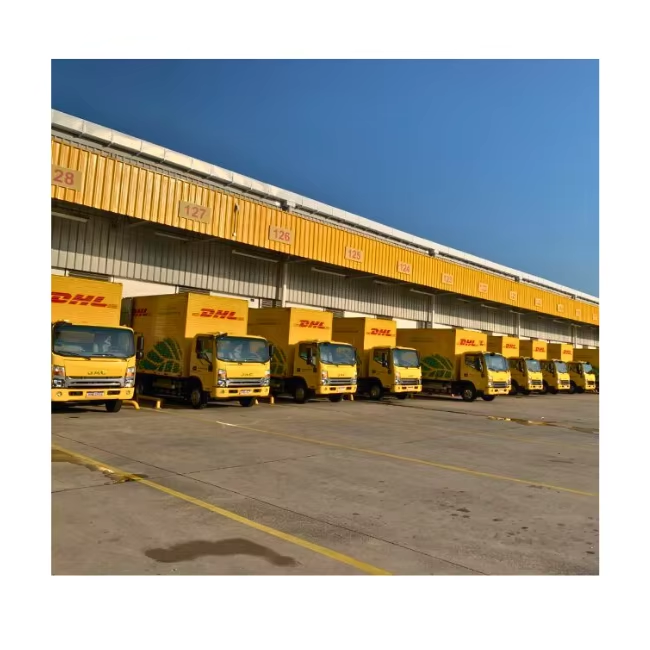
GES Oriental Global is your China-based strategic shipping forwarder with 26 years of global logistics experience. We deliver tariff-smart routing, multimodal integration, AI-powered tracking, and e-commerce/DTC solutions. Our FMC/NVOCC certification, self-operated U.S. warehouses, dedicated truck fleet, and 1V1 expert support ensure reliable, transparent service.
Contact us today for a no-obligation consultation and customized 2026 logistics strategy.
A strategic shipping forwarder helps companies navigate tariff regulations, optimize duty payments, streamline multimodal transport systems, and provide real-time visibility across supply chains, making them crucial for efficient global trade.
Shipping forwarders integrate road, rail, and less-than-container-load (LCL) transport methods into cohesive routes, ensuring cost-responsive operations and seamless transitions between transportation modes.
AI-driven tools enhance carrier selection while automated customs systems reduce errors, expedite clearance, and ensure adherence to evolving trade regulations.
E-commerce brands need scalable small-parcel and LCL solutions, automated tax calculations, and partnerships with localized delivery carriers for seamless global expansion.
 Hot News
2024-11-15
2024-11-11
2024-11-06
2024-10-31
2024-10-28
2024-10-25
GES Oriental Global provides top-tier international freight forwarding services, specializing in Amazon, Walmart, express shipping, air, sea, truck, and China-Europe rail transport.
 EN
EN