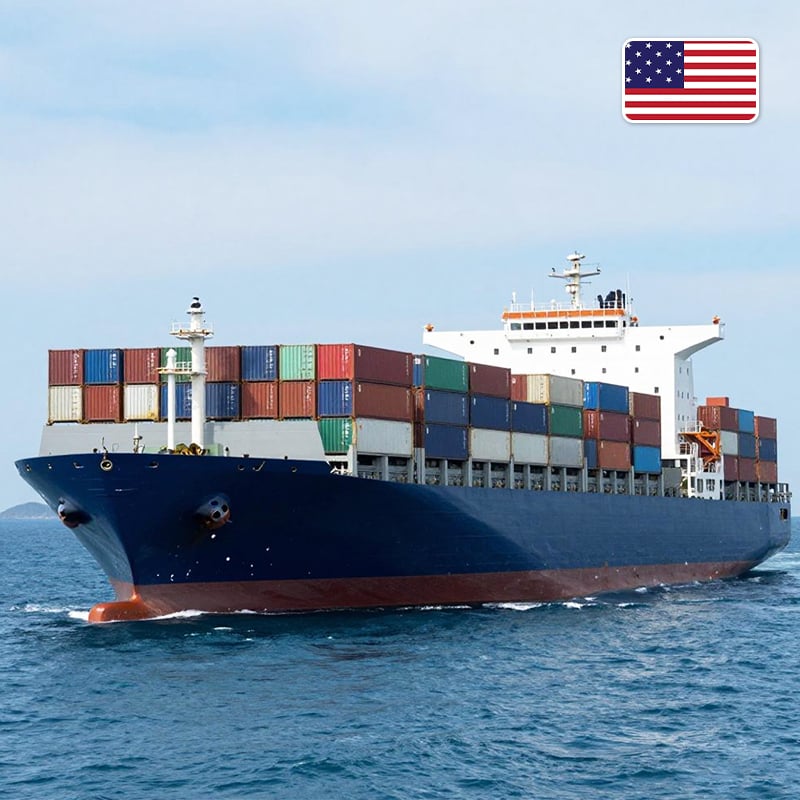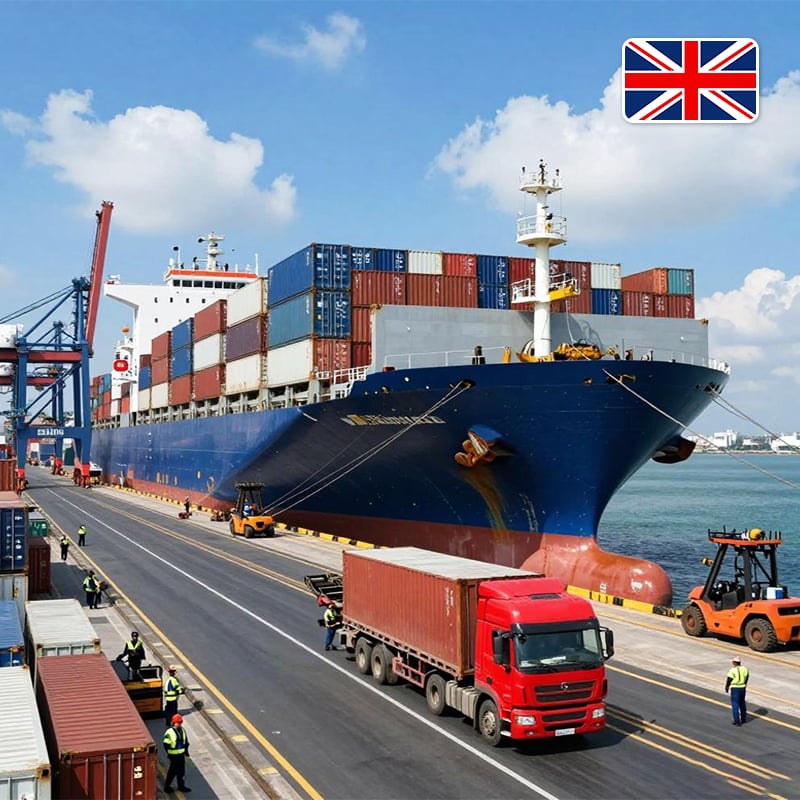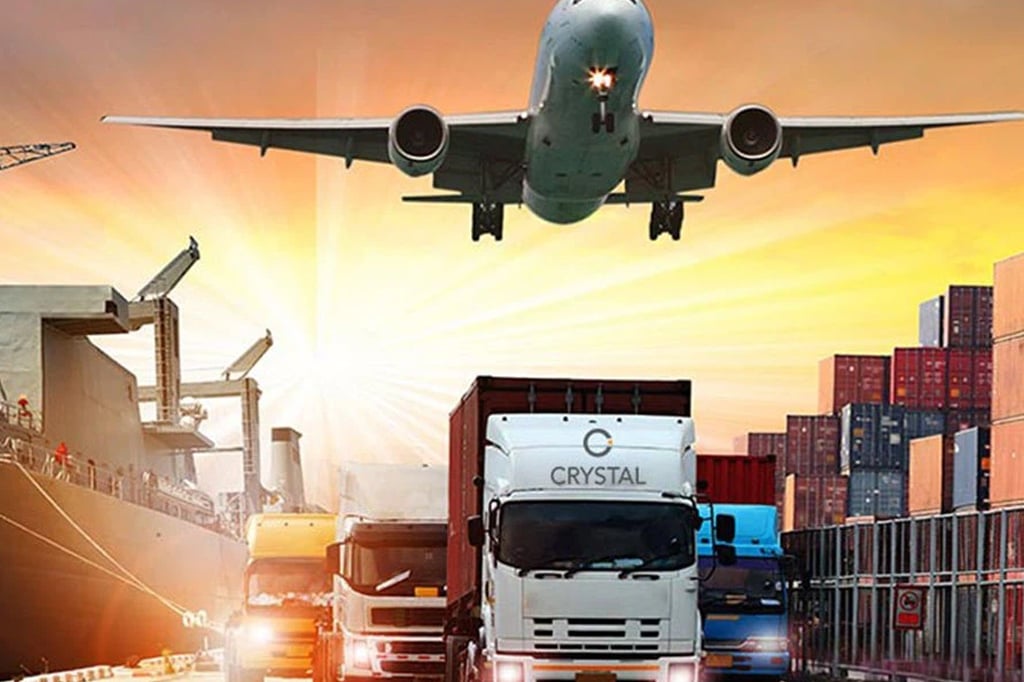
An end-to-end shipping forwarder manages the entire logistics journey—from origin pickup to final delivery—through a unified service model. This comprehensive approach eliminates coordination gaps between multiple vendors by handling transportation modes, customs clearance, warehousing, and last-mile delivery under one contract. Businesses gain real-time shipment visibility while reducing administrative burdens and transit delays. For example, companies using integrated freight solutions report 30% fewer customs delays (Global Logistics Monitor 2023) due to centralized documentation management.
Unlike fragmented logistics models, end-to-end services provide:
This holistic model transforms logistics from a cost center into a strategic competitive advantage, particularly for businesses scaling globally.
A modern shipping forwarder does more than book cargo space. It acts as a strategic partner that orchestrates the entire supply chain, from origin to final delivery. The value lies in combining deep logistical expertise with advanced technology to ensure goods move efficiently across borders and transport modes. Two core capabilities define this role: integrated multi-modal transport management and end-to-end customs compliance.
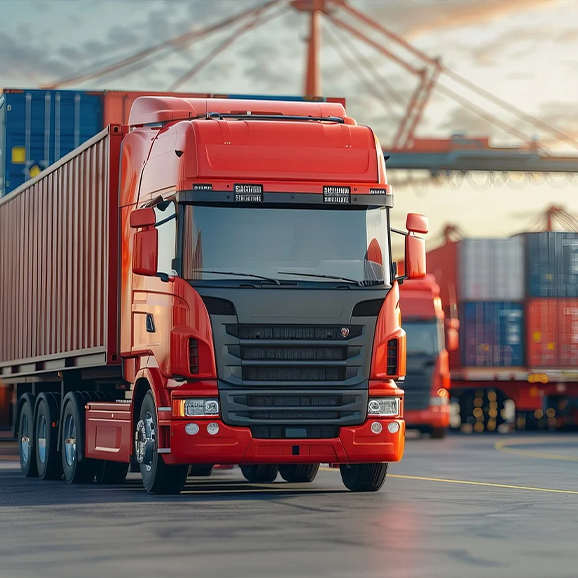
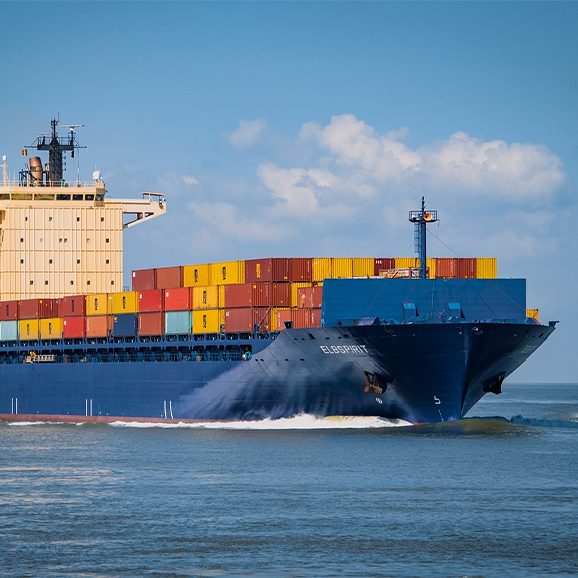
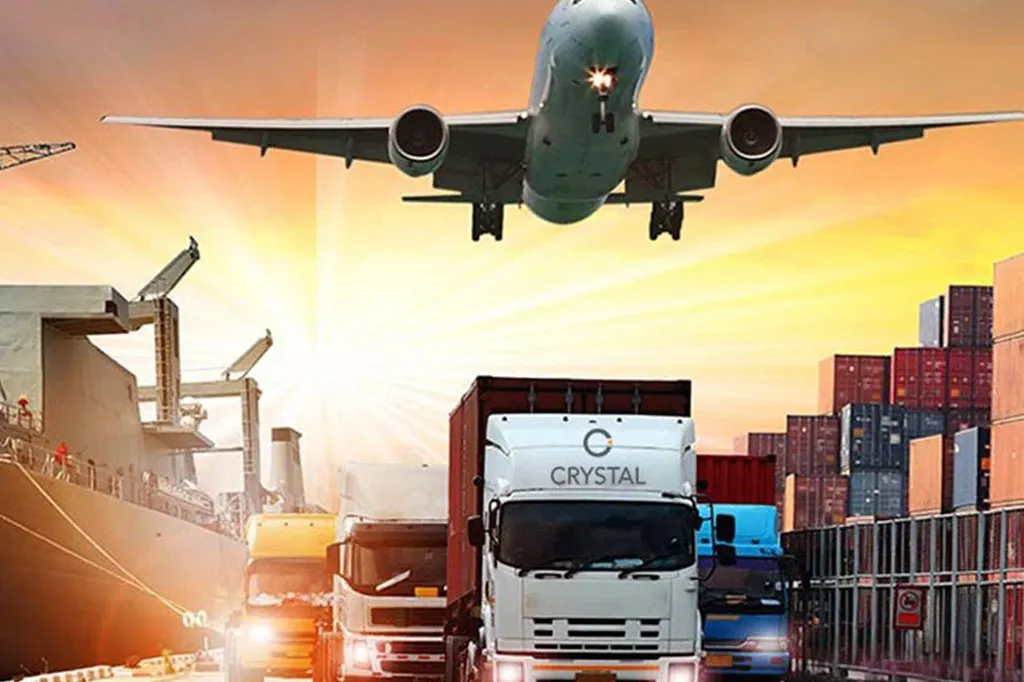
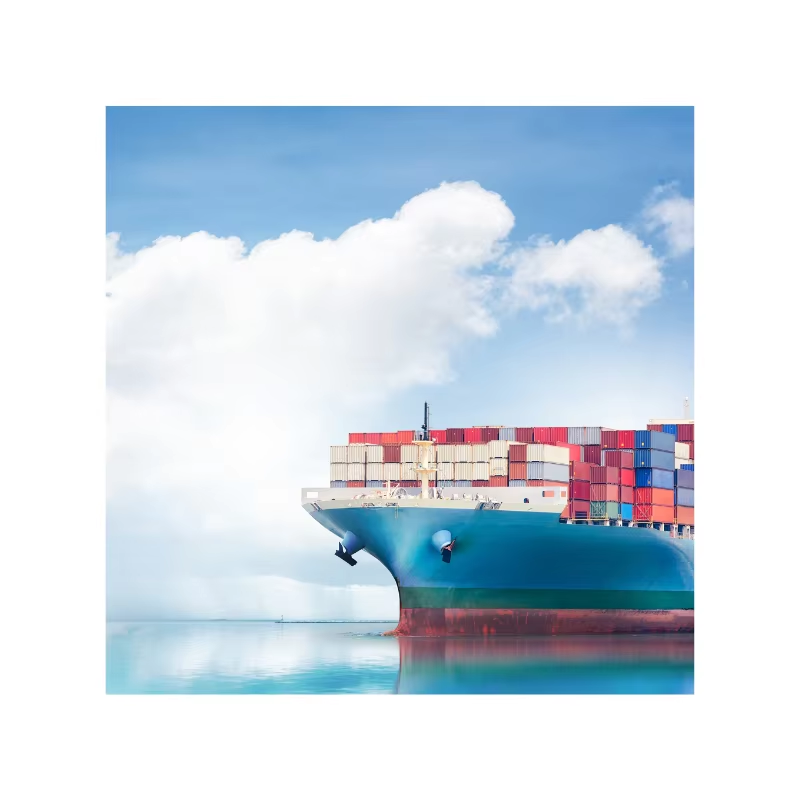
Modern forwarders excel at blending sea, air, road, and rail options to create the optimal route for each shipment. They analyze trade-offs between speed, cost, and reliability, then coordinate handoffs between carriers seamlessly. This integration reduces delays and keeps cargo visible at every step—something single carriers cannot provide. For example, a forwarder might route a container via ocean to a major port, then switch to rail for inland delivery, using trucks only for final-mile service.
Customs errors are a leading cause of supply chain disruptions, costing businesses an average of $740,000 per incident (Ponemon 2023). A full-service forwarder manages every compliance detail: accurate documentation, tariff classification, duty calculation, and regulatory filings across multiple jurisdictions. By handling customs clearance from origin to destination, they minimize holds and penalties, allowing shippers to focus on core operations rather than regulatory complexity.
A modern shipping forwarder depends on real-time visibility platforms to provide clients with continuous updates on cargo location and status. These platforms integrate IoT sensors and GPS tracking, allowing businesses to monitor shipments across ocean, air, and ground modes from a single dashboard. Predictive tracking enhances this capability by applying machine learning to historical data and live inputs—such as weather conditions, port congestion, and vessel schedules—to forecast arrival times with increasing accuracy. When a delay is likely, the system automatically alerts stakeholders and suggests alternative routes. This proactive approach reduces uncertainty, streamlines inventory planning, and strengthens overall supply chain resilience.
Artificial intelligence amplifies how a shipping forwarder manages risk and controls expenses. AI-powered analytics scan vast datasets to detect patterns that predict disruptions—carrier reliability shifts, seasonal volatility, or geopolitical events. By running scenario simulations, the system recommends the most cost-effective and low-risk routing options, often balancing transit time against fuel consumption. Demand forecasting models also help rightsize container bookings, preventing costly overcapacity or last-minute rush charges. The outcome is a logistics operation that adapts dynamically, reducing total landed costs while maintaining service reliability and regulatory compliance.
Businesses increasingly partner with full-service shipping forwarders to eliminate logistical bottlenecks and drive operational efficiency. By outsourcing complex international shipping operations, companies reclaim 20–30% of internal resources previously spent on carrier negotiations and customs paperwork. This strategic delegation allows teams to refocus on core competencies like product development and customer experience.
Modern forwarders deliver comprehensive advantages—including real-time shipment visibility platforms that reduce cargo loss incidents by 19%, predictive analytics for route optimization, and integrated customs clearance systems that slash border delays by 40%. Risk mitigation remains paramount: forwarders’ contingency planning minimizes disruptions from port closures or regulatory changes. Financially, consolidated cargo loads and carrier rate negotiations typically yield 15–25% transportation cost reductions compared to self-managed logistics. These multifaceted solutions transform shipping from a cost center into a competitive advantage while ensuring compliant, resilient supply chains.
Complex cross-border logistics don’t have to slow your business down. A reliable end-to-end shipping forwarder eliminates coordination chaos, reduces risk, and delivers predictable, cost-effective shipping every time.
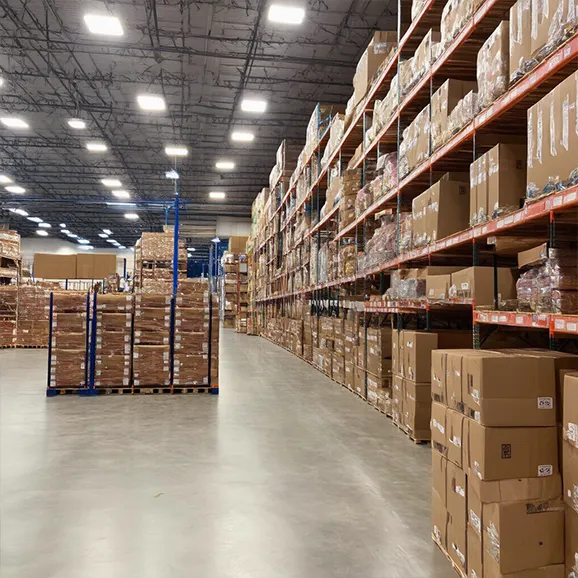
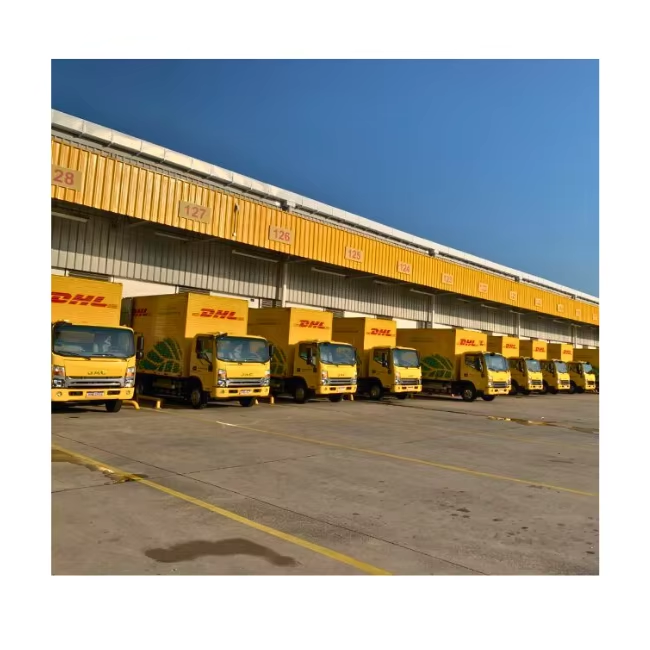
GES Oriental Global is your China-based shipping forwarder with 26 years of B2B and OEM logistics expertise. We provide complete end-to-end services: multimodal transport, full customs compliance, real-time tracking, warehousing, and last-mile delivery. Our NVOCC/FMC certification, 100,000 sq. ft. self-operated U.S. warehouses, dedicated truck fleet, and 1V1 expert support ensure zero hidden fees and guaranteed reliability.
Contact us today for a no-obligation consultation and customized end-to-end logistics quote tailored to your import and OEM needs.
An end-to-end shipping forwarder manages the entire logistics process—from pickup to final delivery—within a unified contract. This ensures smooth operations across transportation modes, customs clearance, warehousing, and last-mile delivery.
They leverage machine learning models and real-time visibility platforms to forecast potential delays. Predictive analytics also help businesses optimize routes and streamline inventory planning.
Yes, full-service forwarders handle all customs compliance details, such as tariff classification and regulatory filings, reducing delays and penalties significantly.
By consolidating cargo loads and negotiating carrier rates, shipping forwarders can lower total transportation costs by 15–25% compared to self-managed operations.
 Hot News
2024-11-15
2024-11-11
2024-11-06
2024-10-31
2024-10-28
2024-10-25
GES Oriental Global provides top-tier international freight forwarding services, specializing in Amazon, Walmart, express shipping, air, sea, truck, and China-Europe rail transport.
 EN
EN