Many shippers gravitate toward the lowest freight quote, but that initial saving often masks a cascade of hidden fees and operational risks. A cut-rate shipping forwarder may charge extra for warehousing, fuel surcharges, or customs documentation—turning a seemingly cheap shipment into a costly headache. More critically, low-cost providers frequently lack robust quality controls, increasing the risk of misplaced cargo, damaged goods, or missed delivery windows. These failures don’t just inflate the total cost of ownership; they erode customer trust and disrupt downstream production schedules.
Beneath a rock-bottom quote lie expenses rarely disclosed upfront: demurrage charges for containers held beyond free time, re-consignment fees after routing changes, and surcharges for weekend or holiday pickups—each potentially adding hundreds of dollars per shipment. Operationally, forwarders operating on thin margins often underinvest in tracking technology and staff training, raising the likelihood of manual data entry errors and communication breakdowns. According to industry benchmarks, the purchase price of freight services accounts for only 20–40% of the total lifecycle cost; the remainder stems from post-sale support, compliance penalties, and delay-related losses. What appears to be a bargain upfront can therefore exceed the cost of a premium solution once all hidden factors are accounted for.
To move beyond price-focused procurement, assess a shipping forwarder’s holistic performance metrics. Prioritize on-time delivery rates and average transit time variance—consistency reduces reliance on expedited shipping and excess safety stock. Review their cargo claims ratio and insurance coverage; forwarders that prevent errors through standardized operating procedures spare you from costly disputes. Evaluate their technology stack: real-time tracking, automated documentation, and seamless integration with your warehouse management system significantly reduce manual work and paperwork errors. Finally, verify responsiveness during disruptions by speaking directly with current customers. A forwarder that communicates proactively and offers flexible rerouting options delivers far more strategic value than a low sticker price ever can. When total cost of ownership—not just initial cost—drives the decision, the best partner is seldom the cheapest—it’s the one that protects your supply chain end to end.
Many businesses choose a shipping forwarder based only on price or speed, overlooking the critical role of compliance and credentials. Without proper certifications and customs expertise, even a low-cost provider can trigger expensive delays, regulatory penalties, and reputational damage. A compliant shipping forwarder ensures every shipment meets international regulations—protecting both your cargo and your business.
Certifications like C-TPAT (Customs-Trade Partnership Against Terrorism), IATA (International Air Transport Association), and FIATA (International Federation of Freight Forwarders Associations) signal adherence to rigorous security, handling, and documentation standards. C-TPAT certification, for example, indicates vetting by U.S. Customs and Border Protection—resulting in faster border clearance and fewer inspections. IATA accreditation ensures air cargo is handled safely and in compliance with global aviation regulations, while FIATA membership reflects adherence to internationally recognized professional standards. Choosing a forwarder with these credentials lowers the risk of compliance failures and strengthens credibility with regulators and customers alike.
When a shipping forwarder lacks deep customs knowledge, shipments stall at borders—accruing storage fees and missing deadlines. Incorrect tariff classifications, incomplete paperwork, or overlooked license requirements often trigger audits or fines. In severe cases, repeated violations can lead to cargo seizure or loss of import privileges. A forwarder with experienced, in-house customs teams can navigate complex regulatory landscapes across jurisdictions—preventing costly interruptions before they occur. Investing in compliance expertise up front avoids exponentially greater expenses and legal exposure down the line.
Choosing a shipping forwarder solely based on current needs risks severe operational disruption as your business scales. If your logistics partner lacks scalable infrastructure, sudden demand surges—such as holiday peaks or new client acquisitions—can overwhelm capacity, causing delayed shipments and inventory shortages. Similarly, entering new markets demands regional expertise and established networks; forwarders without them struggle with customs nuances, language barriers, or last-mile delivery challenges. The hidden cost isn’t just delayed goods—it’s eroded customer trust, lost sales opportunities, and reactive crisis management. Proactively evaluating a provider’s scalability frameworks—including contingency planning for volume spikes and depth of geographic coverage—ensures growth becomes an advantage, not a liability.
When a shipping forwarder relies on manual processes instead of integrated digital tools, documentation errors become inevitable—such as incorrect HS codes, missing certificates of origin, or misstated values. A single typo can invalidate cargo insurance, leaving the shipper fully liable for loss or damage. Without automated risk management systems, coverage gaps go undetected until a claim arises—triggering protracted disputes, delayed compensation, and damaged relationships. Weak documentation also invites customs holds, accruing demurrage fees and potential regulatory fines. The real cost of these preventable failures far exceeds any short-term savings from choosing a low-tech, low-cost forwarder.
Choosing the right shipping forwarder protects your bottom line, reduces risk, and supports long-term growth. Avoid common mistakes by prioritizing value, compliance, scalability, and technology over price.
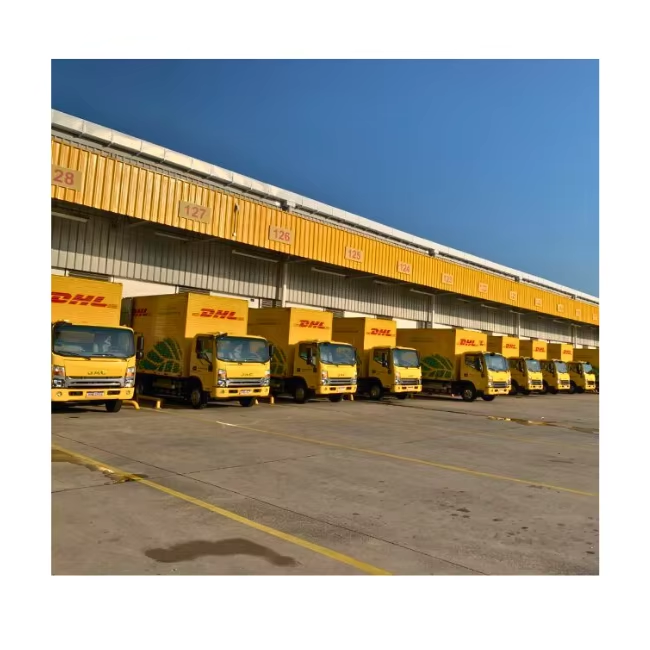
GES Oriental Global is your trusted China-based shipping forwarder with 26 years of B2B and OEM logistics expertise. We hold FMC/NVOCC, C-TPAT, and IATA certifications, offer fully transparent pricing, and deliver scalable, tech-driven logistics solutions. Our self-operated warehouses, dedicated truck fleet, and 1V1 expert support ensure reliable, risk-free shipping for China–USA and global routes.
Contact us today for a no-obligation consultation and customized shipping quote tailored to your import and OEM needs.
Focusing only on price can overlook hidden fees, operational risks, and long-term impacts like delays, compliance issues, and damage to customer trust.
Hidden costs may include surcharges for warehousing, demurrage fees, re-consignment charges, and penalties tied to operational inefficiencies.
Compliance and certifications (e.g., C-TPAT, IATA, FIATA) ensure regulations are met, reducing delays, penalties, and reputational risks.
Scalability ensures a forwarder can handle volume spikes and market expansions, preventing delays, inventory shortages, and customer dissatisfaction.
Technological tools improve documentation accuracy, enable real-time tracking, and offer proactive risk mitigation, reducing errors and claims.
 Hot News
2024-11-15
2024-11-11
2024-11-06
2024-10-31
2024-10-28
2024-10-25
GES Oriental Global provides top-tier international freight forwarding services, specializing in Amazon, Walmart, express shipping, air, sea, truck, and China-Europe rail transport.


 EN
EN