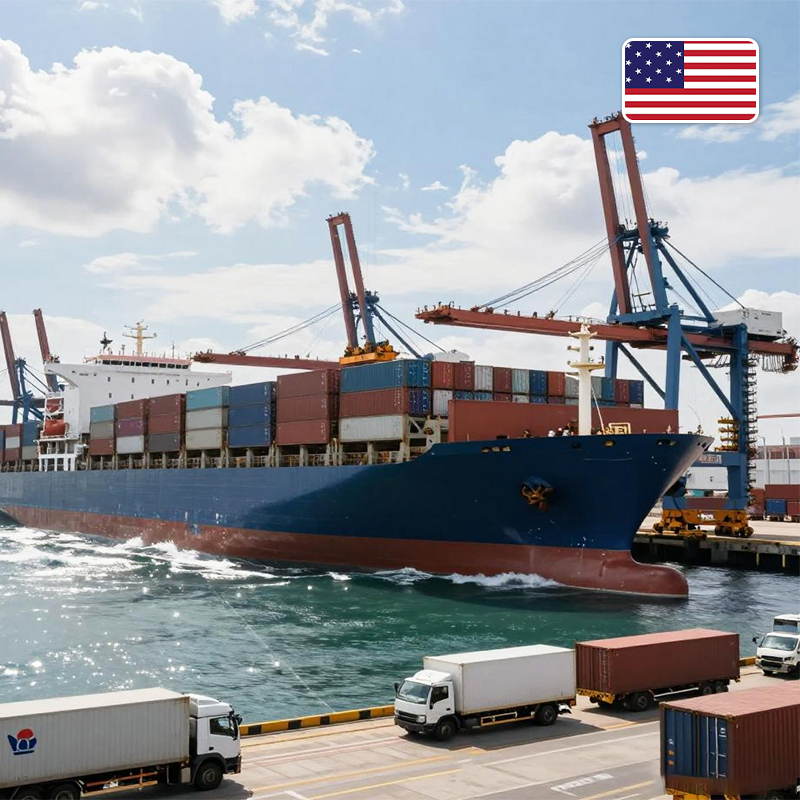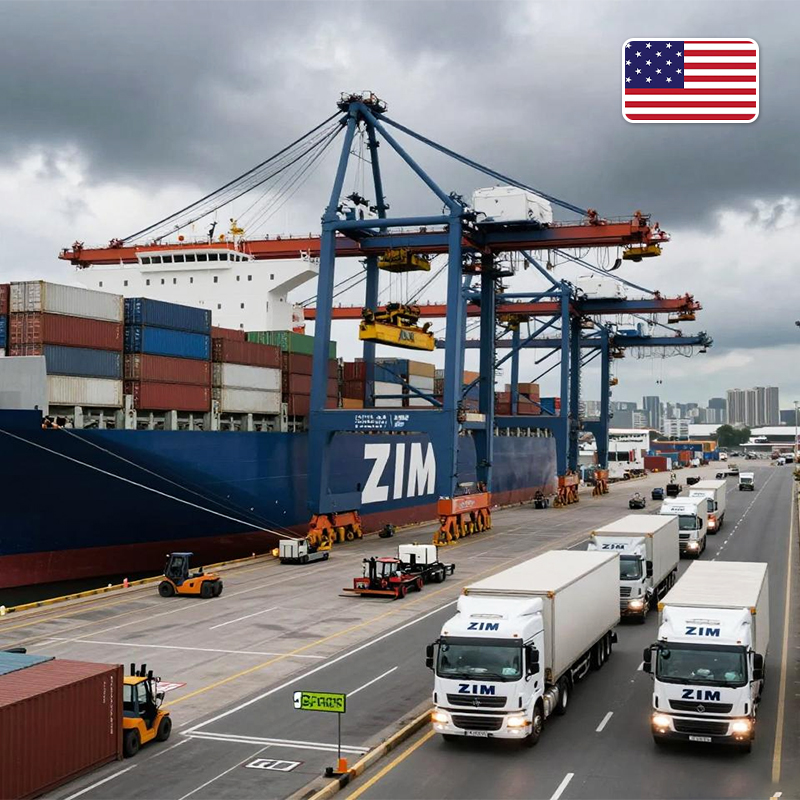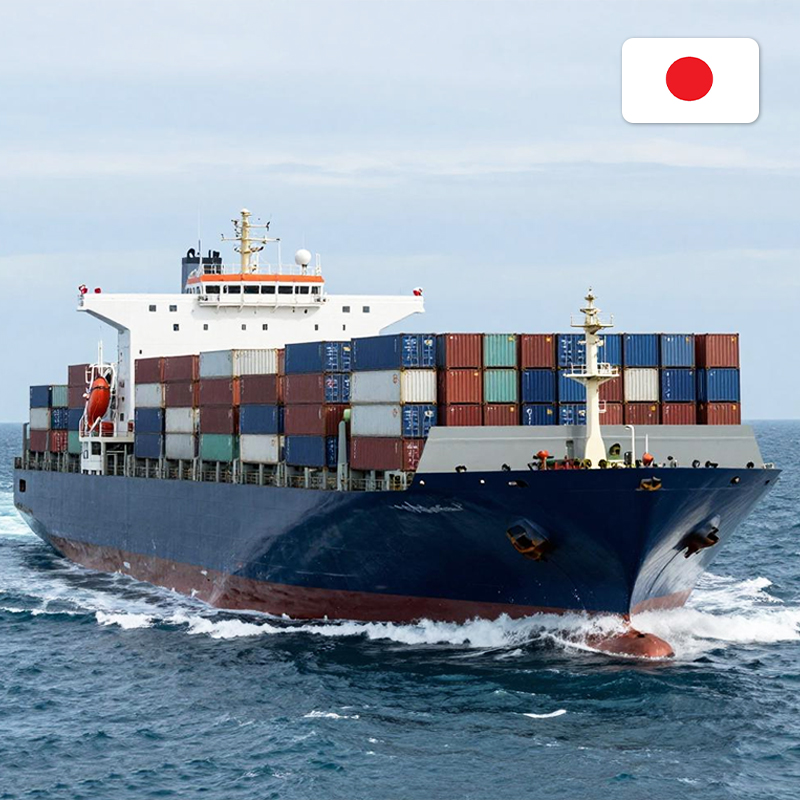
Real-time shipment tracking is no longer a differentiator—it’s table stakes for modern logistics. Full-service shipping forwarders unify GPS, IoT sensor data, and carrier network feeds through integrated telematics and API-driven dashboards, replacing fragmented systems and sporadic manual updates. This consolidation delivers true end-to-end visibility: from origin warehouse to final-mile delivery. Companies with such visibility are 2.5 times more likely to be high-performing—but 76% still operate with critical blind spots (Pallite Group, 2023). With real-time insights, forwarders enable proactive interventions—rerouting around port congestion, adjusting safety stock upon delay detection, or triggering contingency plans the moment an exception occurs.
A mid-market apparel brand shipping seasonal collections from Southeast Asia to North America struggled with delayed exception identification—port congestion, customs holds, and container rollovers often took days to surface via disjointed email updates from multiple carriers. After implementing an integrated visibility platform with its full-service shipping forwarder—combining vessel AIS data, terminal gate activity, and inventory status—the brand reduced average exception resolution time by 68%, from 22 hours to just 7. Automated alerts and collaborative workflow tools enabled near-instant response, cutting detention and demurrage costs by 31% and lifting on-time delivery to retail partners from 82% to 96%. That speed preserved seasonal launch windows and strengthened trust across its distribution network.
Inaccurate or incomplete customs documentation remains one of the most preventable causes of border delays—and one of the costliest. Errors trigger inspections that stall shipments an average of 4.7 days at major ports, while detention fees alone cost businesses $740,000 per hour globally (Ponemon Institute, 2023). Automated validation tools now catch discrepancies before submission, reducing error rates by 92% compared to manual processing—turning compliance from a bottleneck into a predictable, auditable step.
AI-powered Harmonized System (HS) code classification accelerates customs declaration preparation by 83%, minimizing misclassification risk and duty overpayment. Paired with Electronic Air Waybill (e-AWB) adoption—which eliminates paper handling, courier delays, and version control issues—this dual automation cuts average customs release time by 1.5 days. Forwarders using both technologies deliver real-time duty estimates to clients and resolve customs queries in hours instead of days.
Small and medium enterprises frequently pay 18–22% more per unit on freight than larger peers—not due to inefficiency, but because they lack consolidated volume and negotiation leverage (logistics industry benchmarking data). Full-service shipping forwarders solve this by aggregating client shipments across global lanes, unlocking preferential carrier contracts otherwise inaccessible to individual SMEs. Complementing this, automated freight auditing identifies billing errors and service failures, recovering 1.5–3% of annual transportation spend. The result is not just cost reduction, but strategic parity: transforming logistical scale limitations into competitive advantage.
Advanced consolidation algorithms analyze cargo dimensions, destination clusters, and transit timelines to intelligently bundle compatible LCL and FCL shipments across clients—achieving 74–89% container utilization versus the industry average of 63%. Simultaneously, lane-based rate benchmarking tools continuously assess carrier performance on specific routes, enabling forwarders to negotiate dynamic, market-responsive contracts. Clients leveraging both capabilities consistently realize 12–17% annual freight cost reductions—without trade-offs in reliability or service level.
Global shipments face inherent, unpredictable risks—from theft and pilferage to natural disasters and geopolitical disruption. Uninsured cargo loss averages over $740,000 per incident (Ponemon Institute, 2023), yet only 30% of SMEs carry adequate coverage. Forwarders that embed insurance underwriting directly into logistics contracts convert risk exposure into resilient, end-to-end protection.
Traditional insurance models create coverage gaps at multimodal handoff points—between ocean, air, rail, and truck—leaving goods temporarily unprotected. Embedded policies attach seamlessly to the bill of lading, covering goods from origin loading to final unloading. This continuity reduces claim disputes by 57% compared to standalone policies (Marine Insurance Report, 2024), ensuring consistent financial safeguards aligned with actual transit risk.
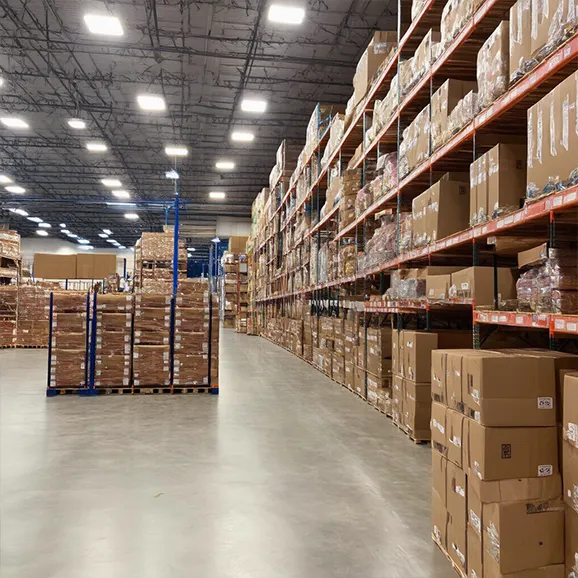
Flexible logistics infrastructure scales responsively—no capital investment required. Modular warehousing solutions, paired with dynamic routing algorithms, empower businesses to:
A full-service shipping forwarder turns logistics complexity into competitive advantage—with visibility, compliance, cost savings, and risk protection.
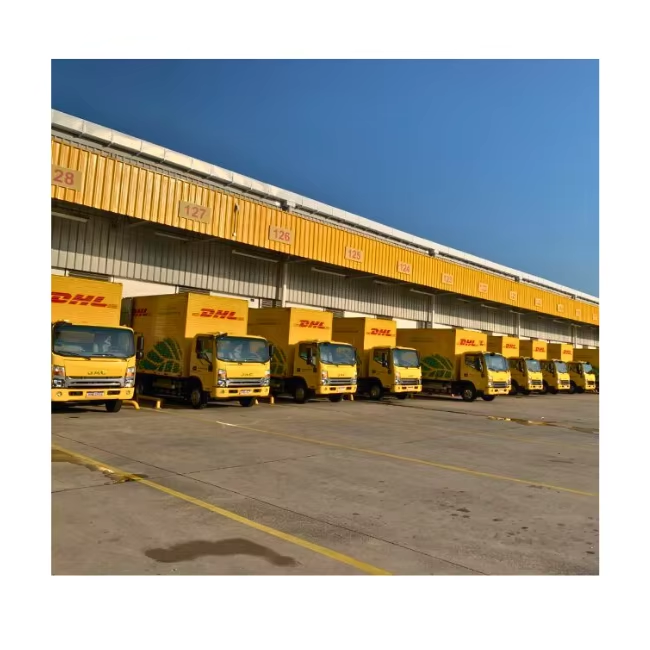
GES Oriental Global is your China-based full-service shipping forwarder, with 26 years serving B2B importers and OEMs. We deliver real-time tracking, expert customs, freight consolidation, embedded insurance, and scalable warehousing. With FMC/NVOCC certification, self-operated U.S. warehouses, and a dedicated truck fleet, we ensure reliable, transparent service.
Contact us today for a no-obligation consultation and customized logistics quote.
End-to-end supply chain visibility refers to the ability to monitor shipments seamlessly from the point of origin to the final delivery destination. It involves tracking data such as GPS locations, IoT sensor updates, and carrier network feeds in real time.
Integrated telematics unifies tracking technologies across devices and systems, providing real-time insights that enable rerouting, safety adjustments, and faster exception handling in shipment delivery operations.
Regulatory compliance is crucial to avoid costly border delays and fines caused by incomplete or inaccurate documentation. Modern tools reduce error rates and streamline customs clearance processes.
Freight consolidation algorithms bundle multiple shipments intelligently, maximizing container usage and unlocking lower freight rates through combined volumes and optimized shipping routes.
Embedded insurance underwriting ensures uninterrupted coverage from origin to destination by integrating insurance policies directly into logistics contracts, reducing the risk of financial losses caused by cargo damage or theft.
Yes, scalable logistics solutions like modular warehousing and dynamic routing algorithms allow companies to adjust capacity and delivery operations responsively without requiring capital investments.
 Hot News
2024-11-15
2024-11-11
2024-11-06
2024-10-31
2024-10-28
2024-10-25
GES Oriental Global provides top-tier international freight forwarding services, specializing in Amazon, Walmart, express shipping, air, sea, truck, and China-Europe rail transport.


 EN
EN