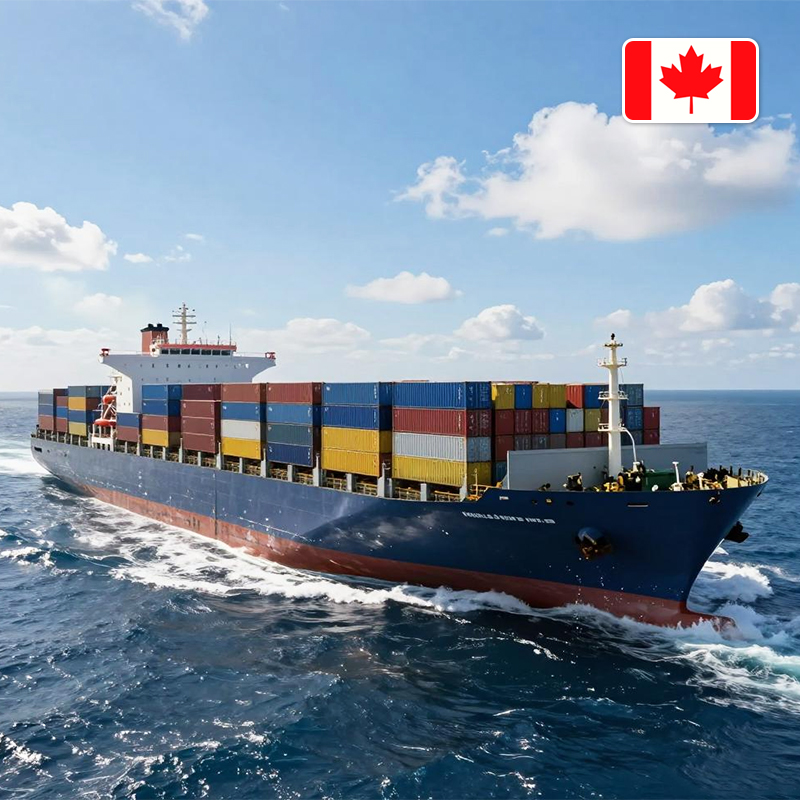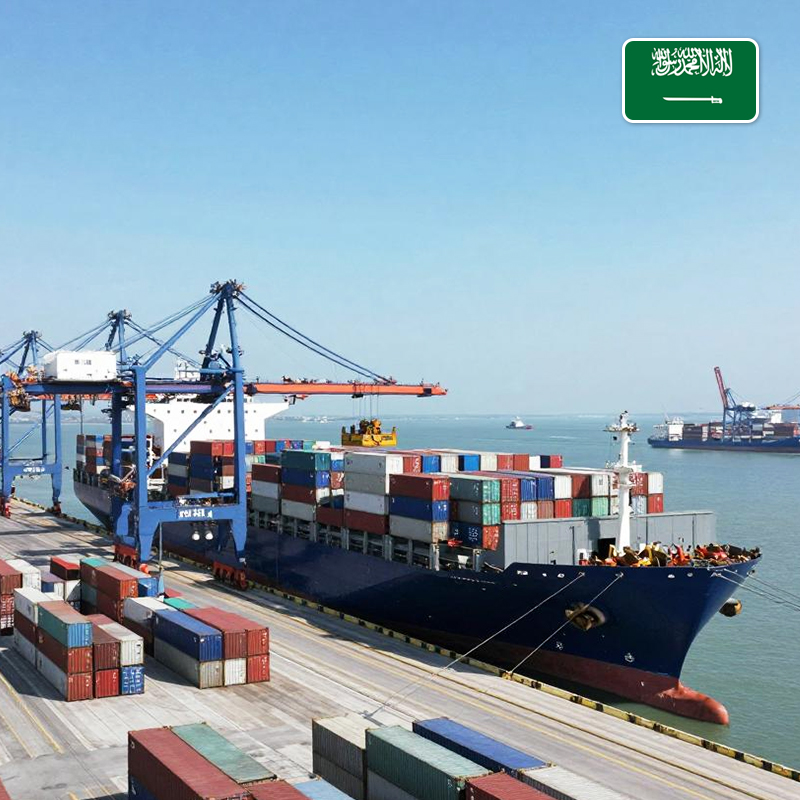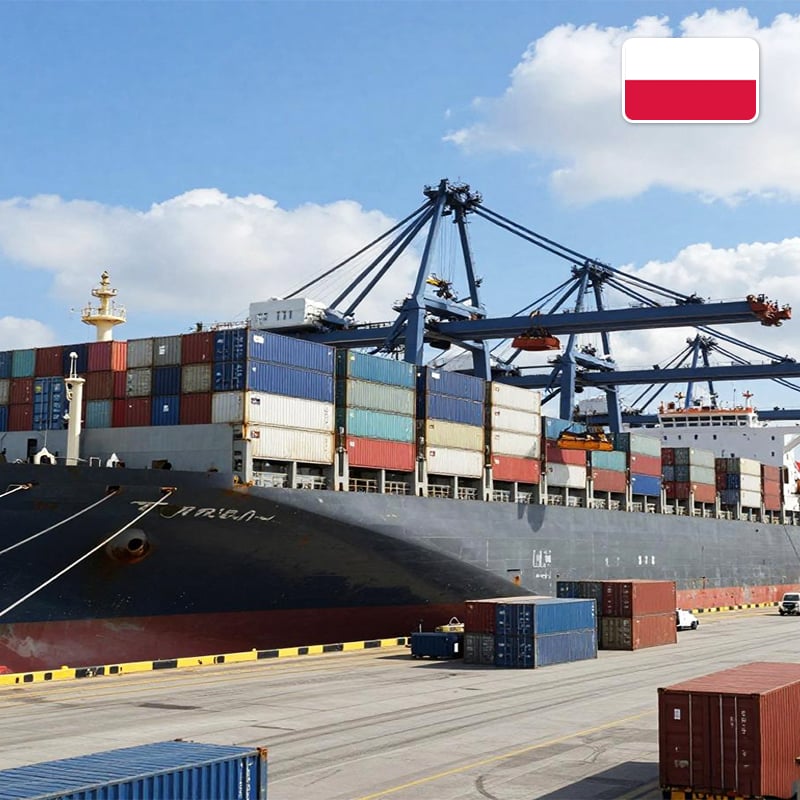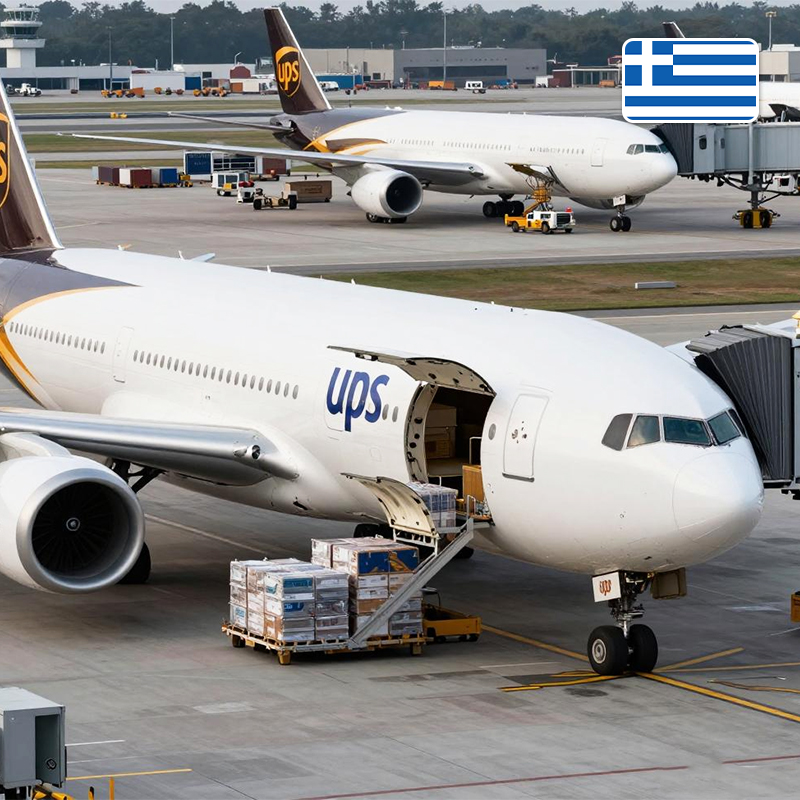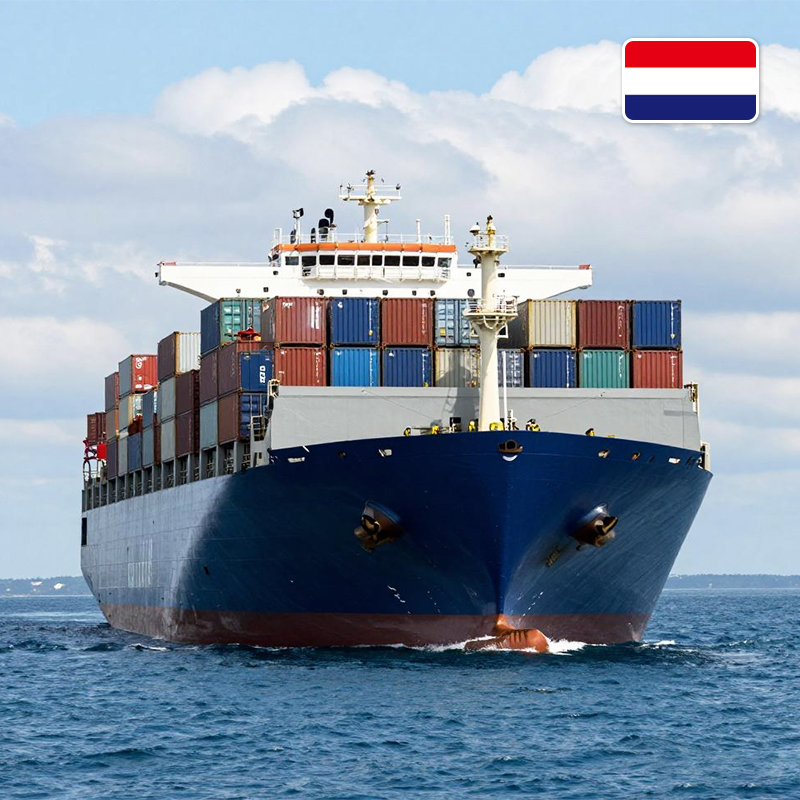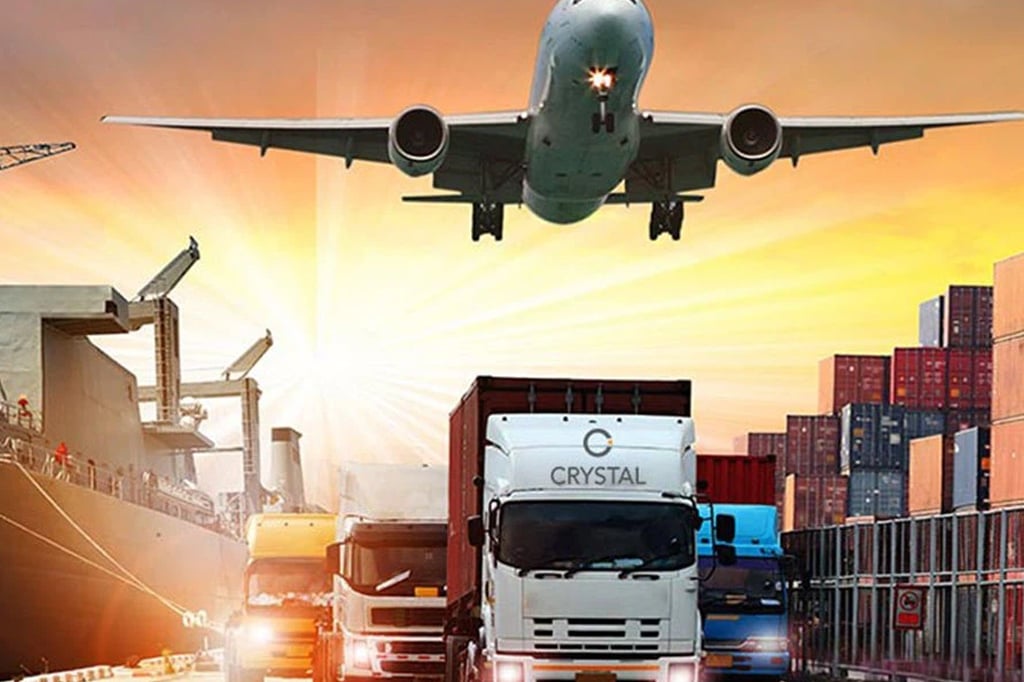
By Year 2, many Amazon sellers hit a growth ceiling where in-house logistics become a bottleneck—slowing inventory turns, increasing error rates, and diverting focus from core business activities. A dedicated shipping forwarder breaks this ceiling by managing customs clearance, FNSKU-compliant labeling, and end-to-end carrier coordination. Rather than juggling multiple suppliers, freight quotes, and compliance rules, sellers gain a single point of control backed by volume-based carrier leverage—often reducing per-unit freight costs by 20% or more. Critically, forwarders prevent costly delays caused by documentation errors, which escalate in impact as inventory velocity increases. This operational reliability enables confident scaling without hiring a full logistics team.
Outsourcing logistics to a specialized forwarder frees internal teams to prioritize product development, brand marketing, and strategic marketplace expansion—such as entering Amazon EU or Japan without local entity setup. This decoupling removes the operational drag of manual shipment tracking, multi-country invoice reconciliation, and cross-border compliance management. As a result, sellers launch new SKUs faster, test international demand with lower risk, and seamlessly integrate with third-party fulfillment centers beyond FBA. Forwarders also enable intelligent mode selection—air for time-sensitive restocks, ocean for cost-efficient bulk replenishment—supporting diversified fulfillment strategies. Logistics specialization, in short, becomes a force multiplier for growth—not a cost center.
Shipping forwarders automate customs documentation using integrated systems that reduce manual filing errors by 62% compared to self-filing (Global Trade Review 2023). They assume Importer of Record (IOR) responsibilities across destinations, ensuring legal compliance while executing FNSKU labeling precisely to Amazon’s specifications—eliminating rejections at inbound warehouses. Such non-compliance triggers average restocking fees of $740 per incident (Ponemon Institute, 2023). By synchronizing commercial invoices with customs declarations through automated workflows, forwarders prevent clearance delays that disrupt inventory flow and erode sell-through momentum.
Forwarders provide real-time compliance dashboards that track Amazon’s dynamic packaging and labeling policies—including polybag thickness updates, box dimension changes, and label placement rules. These platforms alert sellers 72 hours before policy changes take effect, cutting prep-center errors by 57% (Logistics Tech Survey 2024). Dashboards centralize requirements across all Amazon marketplaces, enabling sellers to:
A scalable shipping forwarder reduces per-unit landed cost through three levers: consolidation, intelligent mode selection, and seamless Amazon Partnered Carrier (APC) integration. Consolidating orders from multiple suppliers into full container loads eliminates less-than-container-load (LTL) premiums—cutting freight costs up to 20%. Mode selection is SKU-driven: air for high-margin, urgent restocks; ocean for steady-turning inventory. Forwarders then connect directly to Amazon’s APC program, applying negotiated discounts automatically and removing manual booking friction. Beyond transportation, they deliver a holistic landed cost model—including duties, insurance, inland haulage, and compliance fees—empowering data-driven sourcing decisions. The result is predictable logistics spend as a stable percentage of revenue, not a volatile drag on margins.
Technology integration—not just service—is the differentiator among forwarders serving Amazon sellers. Real-time Seller Central synchronization ensures inventory levels, order statuses, and performance metrics update automatically across platforms, eliminating manual entry errors responsible for 34% of stockout incidents (2023 Supply Chain Research Consortium). Pre-arrival visibility tools track shipments at container or pallet level, allowing sellers to align marketing campaigns and promotions with expected arrival windows. Leading providers now offer GPS-tracked ocean freight with temperature monitoring for sensitive goods. Finally, automated replenishment triggers—powered by sales velocity, lead time analytics, and historical turnover data—reduce excess inventory while maintaining 99% fulfillment rates. Systems leveraging this intelligence can cut safety stock requirements by up to 28%, improving working capital efficiency without compromising customer experience.
Amazon success depends on fast, compliant, reliable logistics. The right shipping forwarder removes friction, cuts costs, and accelerates your growth.
GES Oriental Global is your China-to-USA shipping forwarder for Amazon sellers. With 26 years of FBA expertise, we deliver FNSKU labeling, customs clearance, APC rates, real-time tracking, and 1V1 support. Our self-operated U.S. warehouses and dedicated truck fleet ensure fast, on-time FBA delivery.
Contact us today for a no-obligation Amazon shipping quote and scale faster with logistics you can trust.
Shipping forwarders help streamline logistics by managing customs clearance, compliance, labeling, and other complexities. They reduce costs and help sellers focus on scaling their businesses.
Forwarders use automation, compliance dashboards, and proactive alerts to ensure shipments adhere to Amazon’s labeling and packaging policies, preventing costly errors and shipment rejections.
They use consolidation, mode selection, and integration with Amazon Partnered Carrier programs to reduce per-unit freight costs and improve profitability.
Key features include Seller Central synchronization, pre-arrival inventory visibility, and automated replenishment triggers to keep inventory levels optimized and efficient.
Forwarders handle multi-country compliance and logistics, enabling sellers to expand into international markets like Amazon EU or Japan without local entity registration.
 Hot News
2024-11-15
2024-11-11
2024-11-06
2024-10-31
2024-10-28
2024-10-25
GES Oriental Global provides top-tier international freight forwarding services, specializing in Amazon, Walmart, express shipping, air, sea, truck, and China-Europe rail transport.
 EN
EN