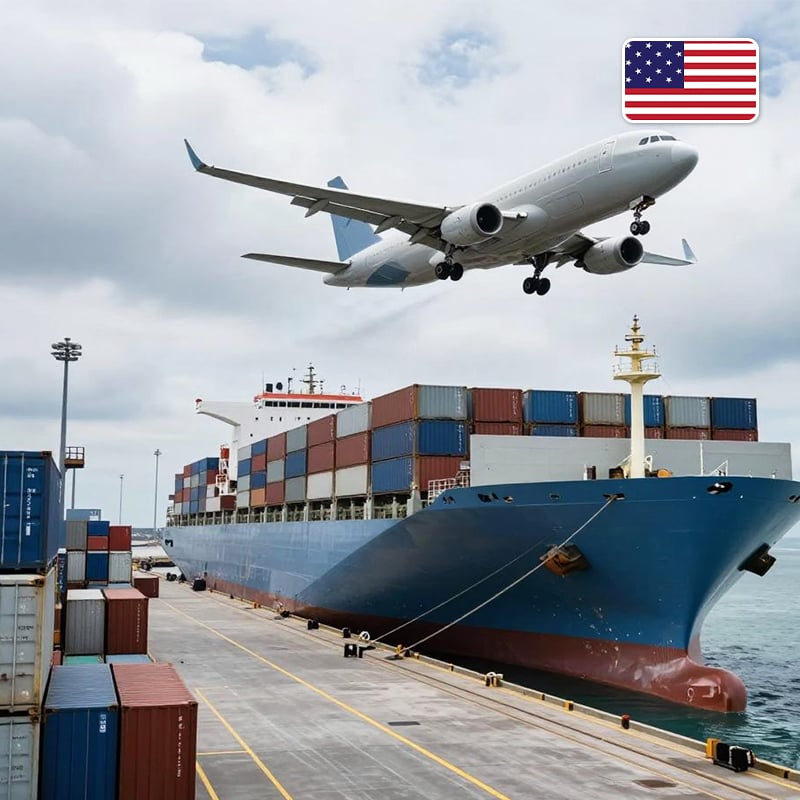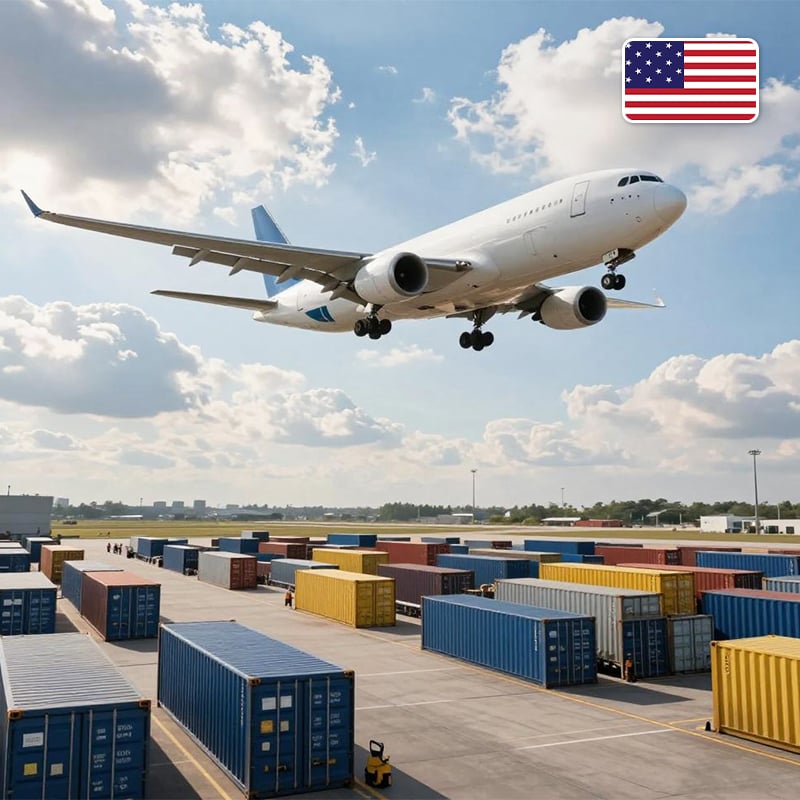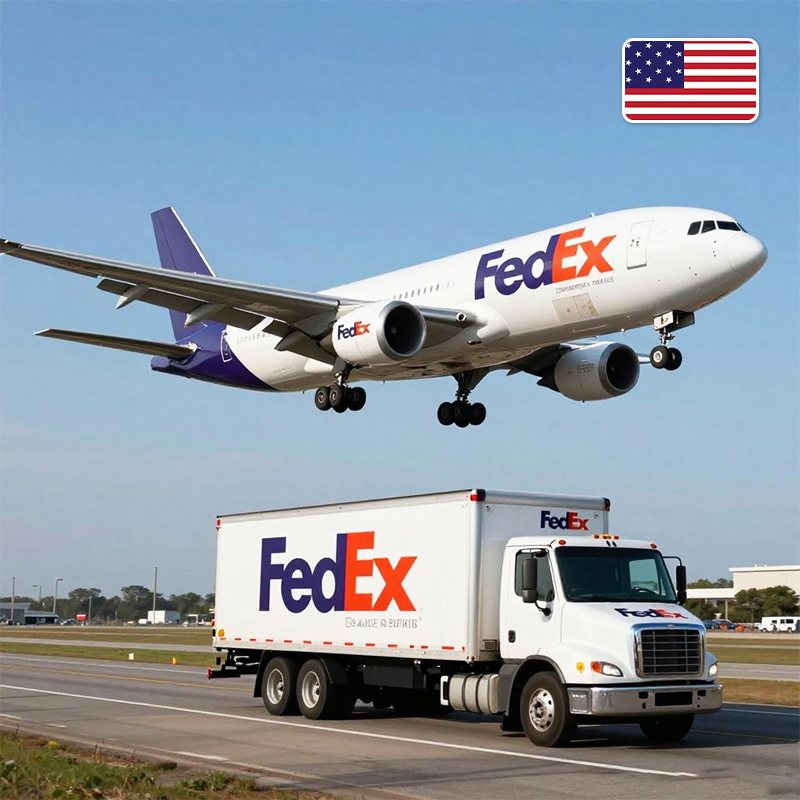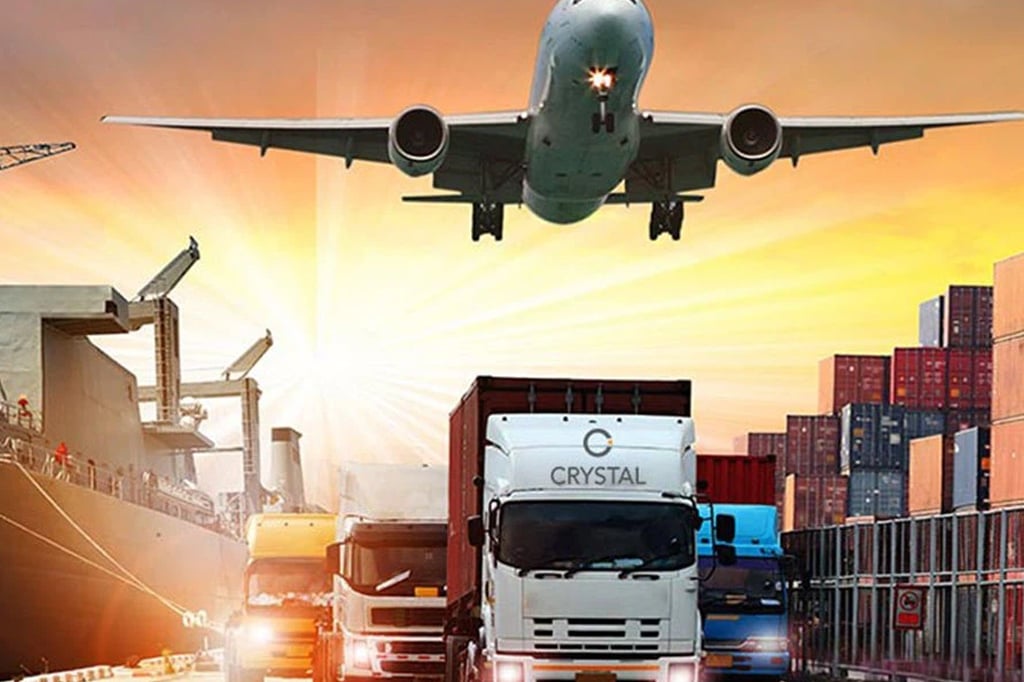
A shipping forwarder acts as a strategic orchestrator in global trade, managing complexities far beyond simple cargo booking. Their expertise transforms fragmented logistics into cohesive, efficient operations.
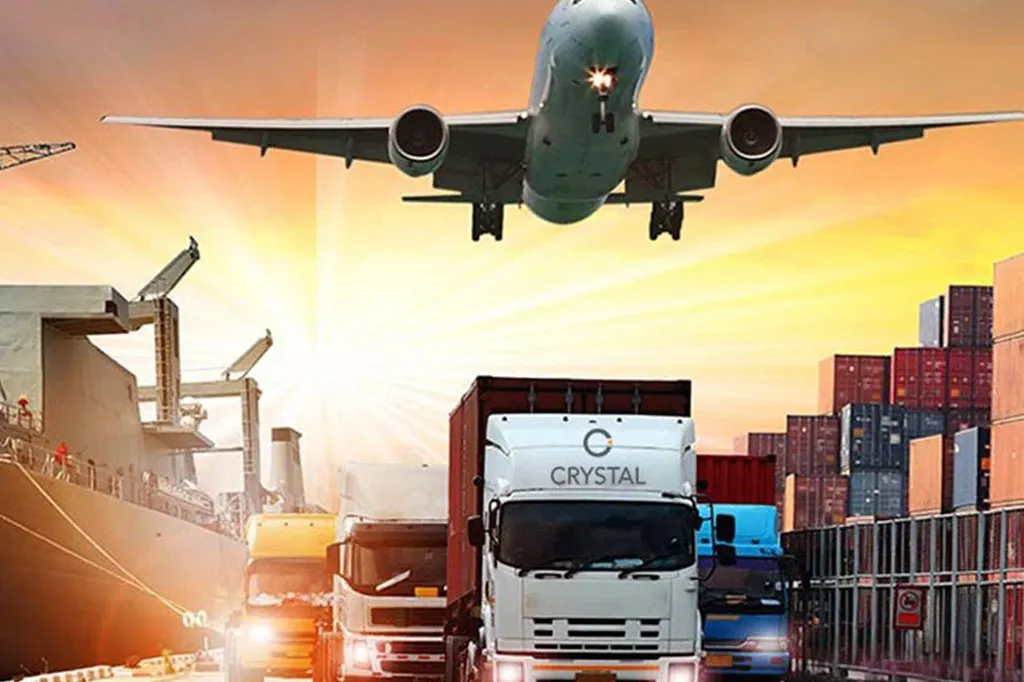
Forwarders synchronize multi-modal transport chains by selecting optimal routes and carriers based on cost, speed, and cargo requirements; managing seamless transshipment handoffs between planes, vessels, and trucks; and delivering real-time shipment tracking across all legs of the journey.
Forwarders serve as legally authorized representatives—secured via Power of Attorney—to navigate cross-border compliance. This includes accurate Harmonized System (HS) code classification, duty and tax calculation, customs declaration filing, and direct resolution of inspection disputes with border authorities.
Forwarders mitigate documentation risk by preparing legally binding Bills of Lading, issuing trade agreement–compliant Certificates of Origin, advising on appropriate Incoterms® 2020 rules to allocate responsibilities clearly, and centralizing document workflows to prevent clearance delays.
Traditional international shipping requires coordination among customs brokers, carriers, ports, and regulatory agencies—often seven or more disconnected parties. Each handoff introduces delays, miscommunication, and accountability gaps. Consolidating these functions under one shipping forwarder replaces fragmentation with unified oversight. This single-point accountability model reduces documentation errors by 63% (Global Logistics Benchmark 2023) and cuts inquiry resolution time from days to hours.
A mid-sized U.S. electronics manufacturer faced an average 22-day shipment cycle due to inconsistent customs clearance and carrier scheduling. After adopting an integrated forwarder solution:
Modern shipping forwarders deploy integrated Transportation Management Systems (TMS) that unify air, ocean, and ground tracking via API-linked dashboards. These platforms consolidate data from IoT sensors, GPS, and carrier APIs into a single interface—enabling clients to monitor shipments across modalities in real time. Businesses gain proactive control over exceptions like route deviations or temperature fluctuations, reducing delays by up to 30% (logistics analysts). For example, cloud-based dashboards allow exporters to track customs clearance milestones and receive automated rerouting alerts during port congestion.
Forwarders now use AI algorithms to automate validation of bills of lading, certificates of origin, and Incoterms compliance. Machine learning cross-references shipment details against global customs regulations—flagging discrepancies like HS code mismatches before submission. This slashes customs rejection rates by 78% (Ponemon 2023), preventing average losses of $740k per delay incident. As 61% of shippers prioritize visibility partners with advanced tech integration, these systems also reduce manual processing time by 45% through blockchain-secured digital submissions.
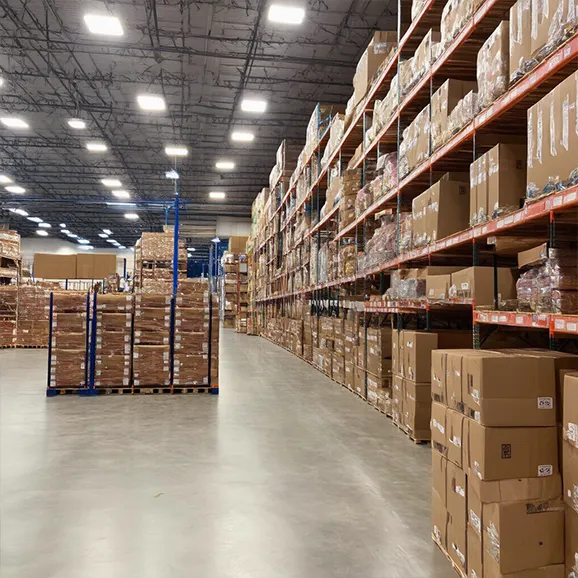
Shipping forwarders unlock strategic growth through consolidation, warehousing, and compliance—transforming logistics from cost centers into competitive advantages. Consolidation combines multiple shipments into full container loads, slashing freight expenses by up to 40% while boosting container utilization beyond 95%. Tactical warehousing solutions enable staging and cross-docking, helping businesses bypass seasonal bottlenecks and accelerate inventory turnover. Compliance management—including customs automation and duty optimization—prevents shipment seizures and minimizes the $7 million average annual losses from trade violations (World Customs Organization 2023). Together, these services create scalable infrastructure for global market expansion. One manufacturer achieved 22% revenue growth after implementing consolidated shipping protocols that reduced transit variability by 31 days annually. Forwarders thereby position businesses to pivot rapidly during demand surges without new capital investments.
Complex international logistics doesn’t have to slow down your business growth. A reliable shipping forwarder eliminates the stress of cross-border shipping, reduces costs, and ensures your goods arrive on time and compliant—so you can focus on what you do best: growing your core business.
For B2B importers and OEM brands sourcing from China, GES Oriental Global is your trusted shipping forwarder partner. Backed by 26 years of industry expertise, 30,000+ global clients, and NVOCC/FMC certification, we offer end-to-end logistics solutions including industry-leading China-to-USA fast sea freight (14-day pickup), expedited air freight (8-day pickup), Amazon FBA fulfillment, DDP/DDU services, and in-house customs clearance. With 100,000 sq. ft. of self-operated U.S. overseas warehouses, a dedicated U.S. truck fleet, and 1V1 dedicated customer support, we deliver fully transparent pricing with zero hidden fees and guaranteed service reliability.
Contact us today for a no-obligation, customized logistics quote tailored to your specific import and OEM needs.
A shipping forwarder acts as a strategic coordinator in global trade, integrating various logistics functions such as transport, customs brokerage, documentation management, and regulatory compliance.
By consolidating multiple logistics functions under a single entity, shipping forwarders eliminate accountability gaps and reduce miscommunication, leading to faster and more efficient operations.
Shipping forwarders use Transportation Management Systems (TMS) and API-linked tracking dashboards to offer real-time shipment monitoring, improving proactive control over logistics exceptions.
Shipping forwarders provide strategic growth potential through consolidation, warehousing, and compliance, enabling businesses to reduce logistics costs and enhance market competitiveness.
 Hot News
2024-11-15
2024-11-11
2024-11-06
2024-10-31
2024-10-28
2024-10-25
GES Oriental Global provides top-tier international freight forwarding services, specializing in Amazon, Walmart, express shipping, air, sea, truck, and China-Europe rail transport.
 EN
EN