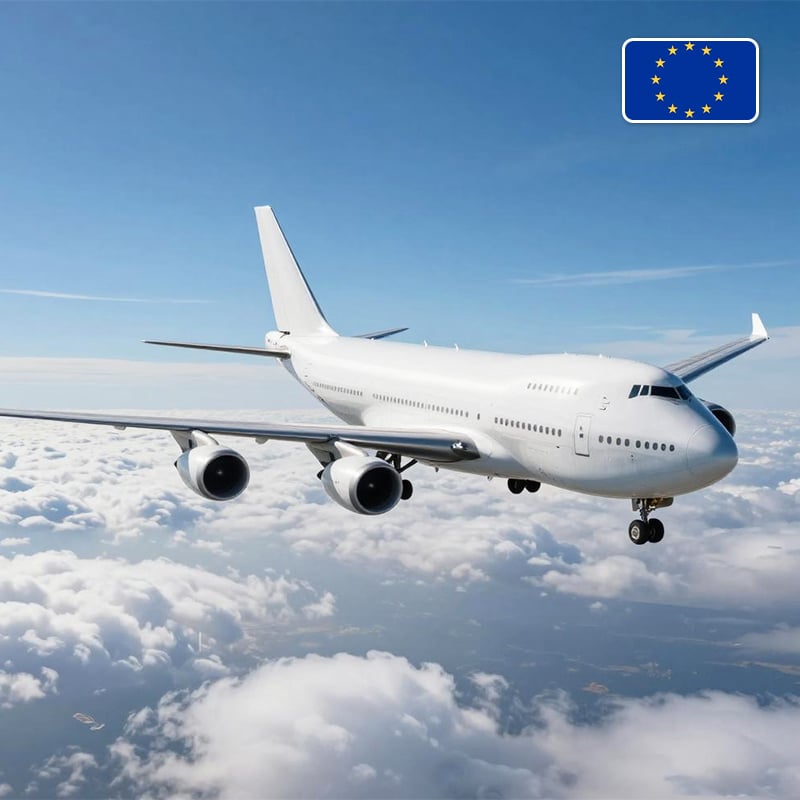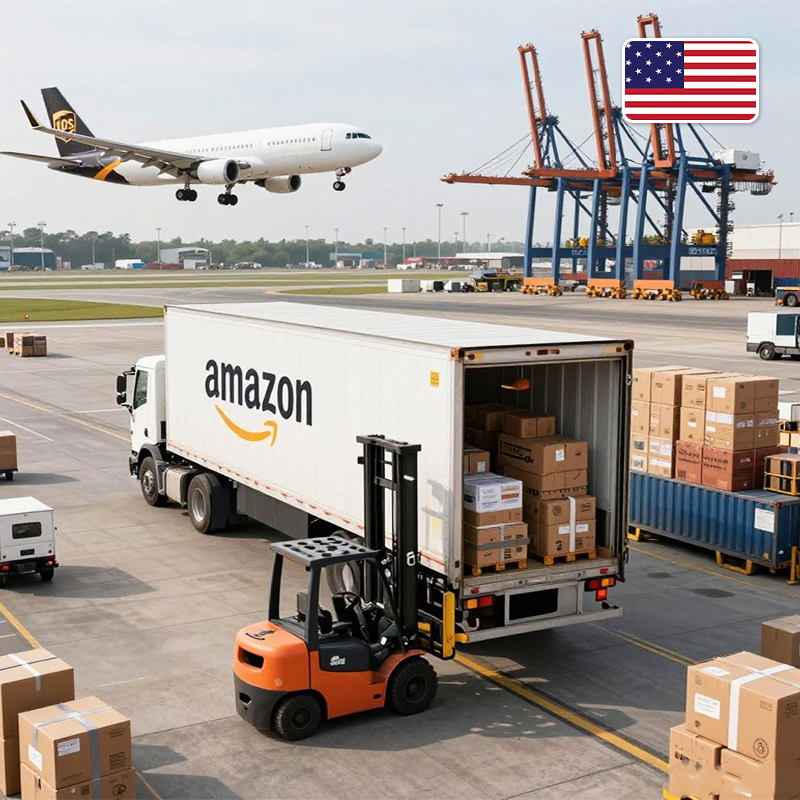
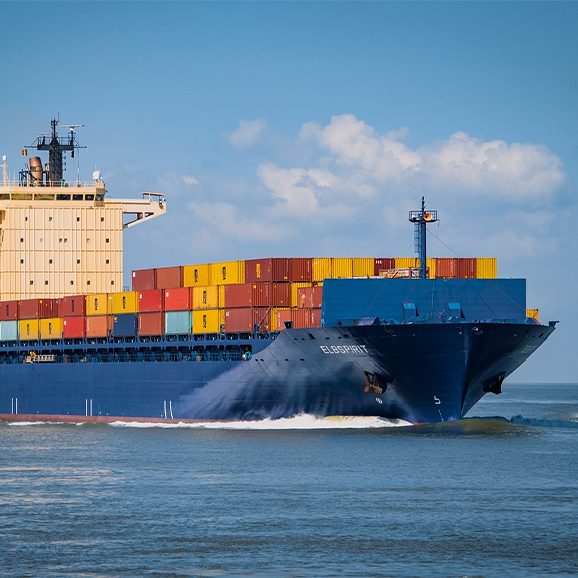
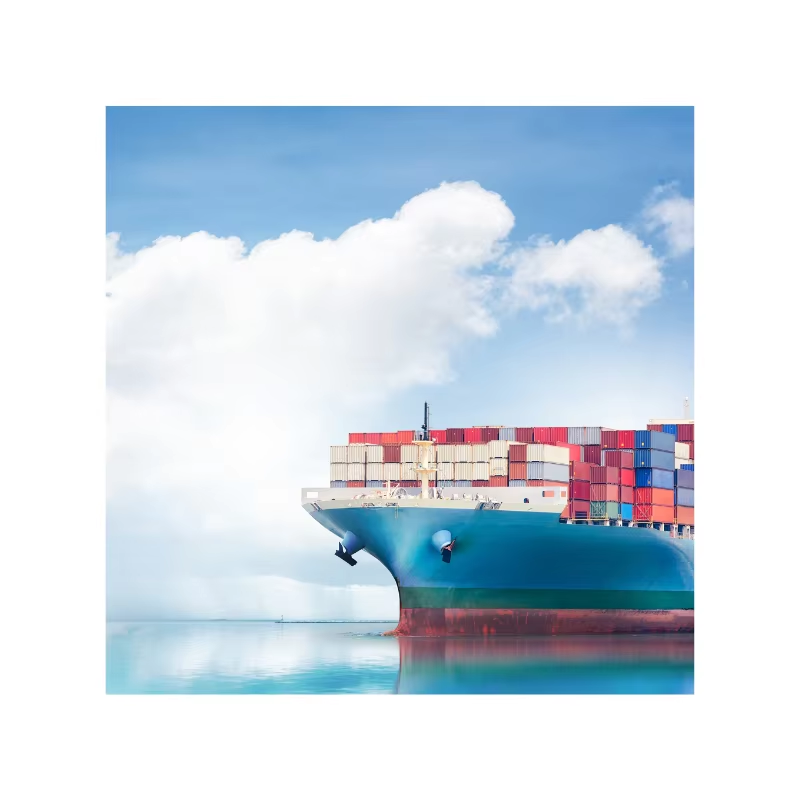
Carriers own and operate physical transportation assets—ships, planes, or trucks—and move cargo directly between locations. Shipping forwarders, by contrast, coordinate logistics without owning transport infrastructure. Acting as intermediaries, they leverage networks of carriers to optimize routes, costs, and service levels. This asset-light model enables forwarders to specialize in:
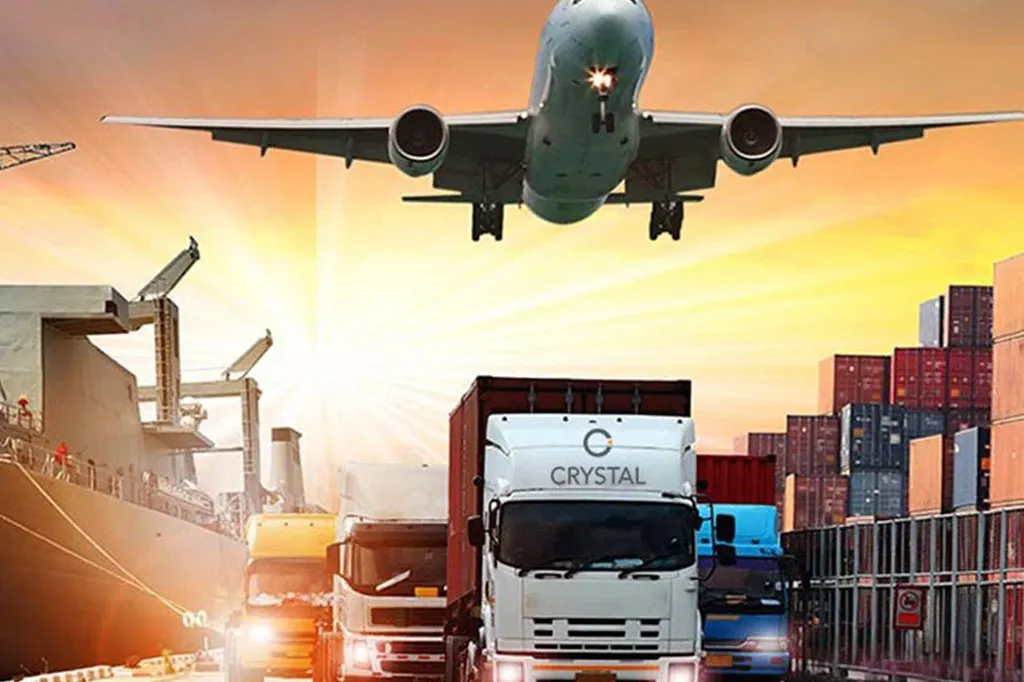
Carriers typically execute discrete transportation legs (e.g., port-to-port ocean freight), while forwarders orchestrate end-to-end supply chain solutions. They integrate customs clearance, warehousing, final-mile delivery, and cross-border compliance across air, sea, road, and rail. This holistic coordination transforms fragmented global shipments into predictable, auditable workflows—especially valuable for businesses requiring:
The fundamental distinction remains clear: carriers physically move goods; forwarders architect and manage the entire journey.
Understanding liability structures is essential when navigating international shipping. Carriers operate under binding international conventions that define their obligations for cargo loss or damage. For ocean freight, the Carriage of Goods by Sea Act (COGSA) limits liability to $500 per package unless a higher value is declared. The CMR Convention governs road transport liability, while CIM regulations apply to rail shipments—collectively establishing standardized compensation ceilings and claim procedures across more than 150 signatory countries.
Carriers bear direct legal responsibility for goods during transit under asset-based operations. When cargo damage or loss occurs, liability hinges on three key factors:
Bills of lading serve as central evidentiary documents in disputes, reinforcing the carrier’s contractual and legal duties.
A forwarder’s liability exposure depends entirely on its contractual role. As an agent, it coordinates logistics but transfers liability to underlying carriers upon handover. When operating as an NVOCC (Non-Vessel Operating Common Carrier) and issuing house bills of lading, it assumes principal liability—functionally equivalent to that of an ocean carrier. Misclassification poses real risk: nearly 40% of supply chain disputes stem from ambiguous role definitions in multimodal transport. Clear, written service agreements specifying capacity—agent, principal, or hybrid—are foundational to mitigating legal and financial exposure.
Shipping forwarders convert logistical complexity into operational efficiency through integrated, high-value services. They manage customs clearance by preparing compliant documentation—including commercial invoices, packing lists, and certificates of origin—reducing customs errors by 85% compared to in-house handling (Global Trade Review, 2024). Beyond paperwork, forwarders orchestrate seamless multimodal transitions—coordinating handoffs between ocean, air, truck, and rail—while optimizing for speed, cost, and regulatory alignment. Their rate consolidation capability combines freight from multiple shippers into shared container loads, delivering measurable savings: consolidated LCL (Less than Container Load) shipments typically reduce costs by 30–40% versus individual bookings. These capabilities deliver single-point accountability, regulatory resilience, and scalable execution across the full supply chain.
Choosing between a carrier and a shipping forwarder depends on shipment profile—not preference. Direct carrier engagement makes strategic sense for high-volume, repeatable movements along stable lanes (e.g., dedicated port-to-port container flows), where simplicity, control, and margin preservation outweigh the need for embedded expertise. In contrast, a shipping forwarder is the optimal partner for complex, multi-leg journeys involving air/sea/land transfers, customs clearance across multiple jurisdictions, or specialized requirements like hazardous materials permits. Forwarders secure volume-based rate advantages—15–30% lower than spot market pricing (Logistics Tech Review, 2023)—and de-risk compliance, particularly in highly regulated markets. Small and midsize businesses gain operational leverage and resource relief; enterprises shipping 500+ containers annually may balance both models—using forwarders for niche or volatile lanes while negotiating directly with carriers on core, high-volume corridors. Ultimately, carriers excel at executing physical movement; forwarders excel at managing systemic complexity.
Choosing between a carrier and a shipping forwarder doesn't have to be complicated—what matters most is partnering with a provider that delivers the full spectrum of services your business needs. The wrong logistics partner can lead to costly delays, compliance penalties, and lost revenue, while the right one turns logistics into a competitive advantage.
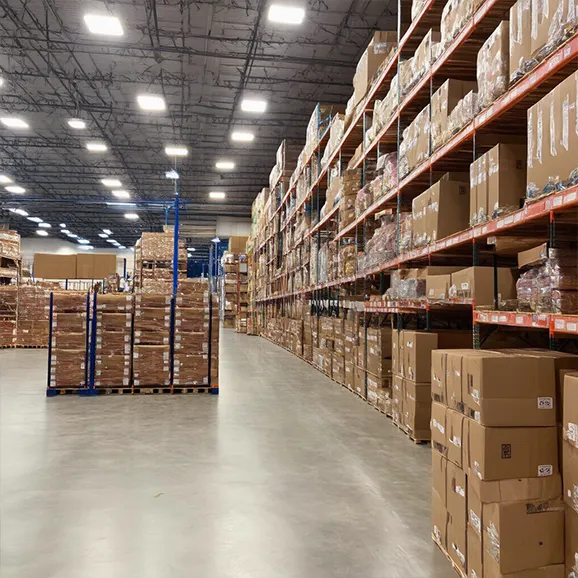
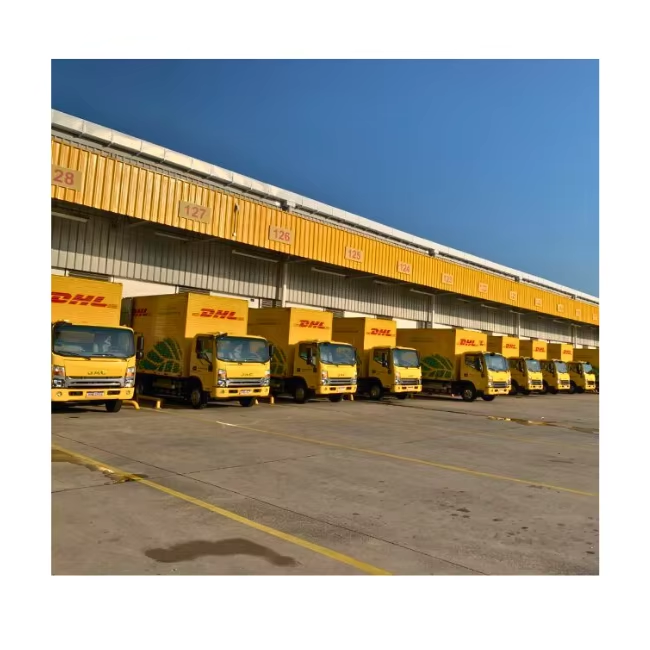
For B2B businesses importing from China to global markets, GES Oriental Global is your trusted single-source shipping forwarder. Backed by 26 years of industry expertise, 30,000+ global clients, and NVOCC/FMC certification, we offer end-to-end logistics solutions including industry-leading China-to-USA fast sea freight (14-day pickup), expedited air freight (8-day pickup), Amazon FBA fulfillment, DDP/DDU services, and in-house customs clearance. With 100,000 sq. ft. of self-operated U.S. overseas warehouses, a dedicated U.S. truck fleet, and 1V1 dedicated customer support, we deliver transparent pricing with zero hidden fees and guaranteed service reliability.
Contact us today for a no-obligation, customized logistics quote tailored to your specific import and OEM needs.
The primary difference lies in their roles; carriers physically transport goods using their fleets, while shipping forwarders coordinate logistics without owning transportation assets.
A business should opt for carriers when dealing with high-volume, stable lanes where direct control and simplicity are more crucial than logistical expertise, whereas forwarders are suited for complex, multi-leg shipments that require coordination.
Carriers operate under specific international conventions dictating liability and compensation for cargo loss or damage, while forwarders assume liability based on their contractual role, whether as an agent or principal.
Forwarders offer integrated services including documentation management, customs compliance, multimodal booking, and rate consolidation, which streamline logistics and bring cost efficiencies.
 Hot News
2024-11-15
2024-11-11
2024-11-06
2024-10-31
2024-10-28
2024-10-25
GES Oriental Global provides top-tier international freight forwarding services, specializing in Amazon, Walmart, express shipping, air, sea, truck, and China-Europe rail transport.
 EN
EN