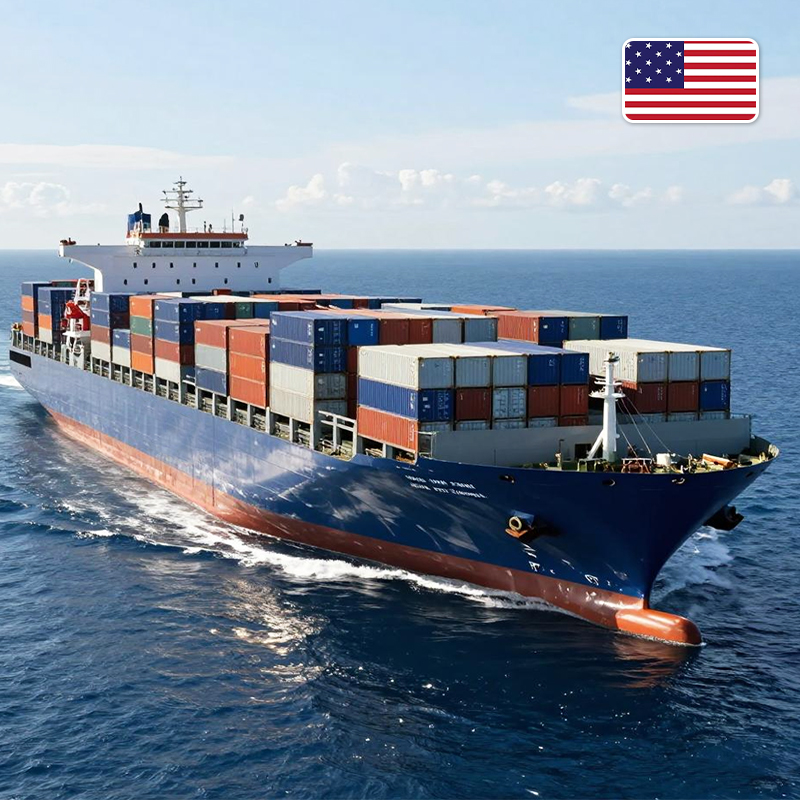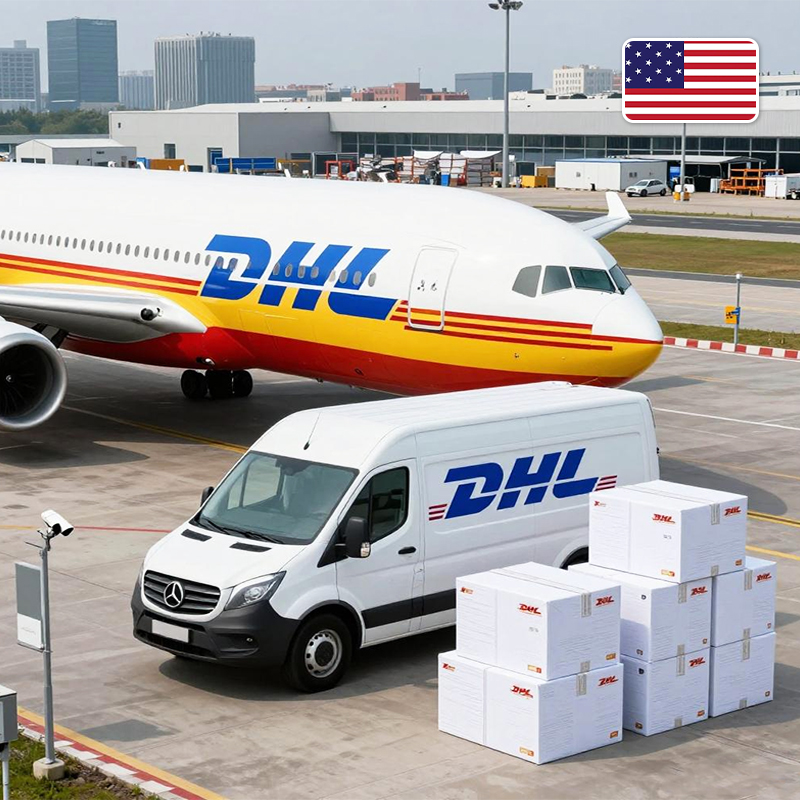
For e-commerce sellers and OEM brands, logistics costs typically account for 15–30% of total revenue—making it the single largest controllable expense in cross-border operations. In an era of shrinking margins and volatile carrier pricing, partnering with a specialized shipping agent is the most effective strategy to cut unnecessary costs, streamline operations, and protect profitability.
A seasoned shipping agent aggregates shipment volumes across hundreds of e-commerce sellers and OEM clients to negotiate tiered pricing structures unavailable to individual merchants. By analyzing historical shipment patterns and forecasting scalable future volumes (e.g., 200,000+ monthly packages), your shipping agent commits to guaranteed capacity thresholds, unlocking per-shipment cost reductions of 12–18% versus standard retail rates (2023 Global Logistics Benchmark). These agreements include enforceable service level agreements (SLAs) with measurable performance criteria—such as 98% on-time delivery and <1% damage rates—aligning carrier accountability with your cost optimization goals.
8.3% of all carrier invoices contain billing errors, averaging $2.90 per overcharged shipment (2024 Freight Audit Study). A dedicated shipping agent deploys AI-powered auditing systems that cross-reference every invoice against your negotiated contracts, detecting misapplied dimensional weight calculations, residential/commercial fee misclassifications, duplicate line items, and inaccurate fuel surcharges. Machine learning models continuously refine detection logic, enabling systematic cost recovery: leading shipping agent platforms reclaim an average of $740,000 annually for mid-sized e-commerce merchants through real-time, continuous monitoring—with no upfront fees and only a small share of recovered funds.
Your shipping agent eliminates redundant logistics steps by consolidating shipments from multiple sellers into shared full-container loads (FCL) and leveraging zone-skipping to bypass intermediate sorting facilities. By pooling orders bound for overlapping geographic regions through commingling, they reduce the number of transit zones crossed, directly lowering dimensional weight surcharges and accessorial fees. Consolidated shipments typically achieve 15–30% lower per-unit costs compared to individual parcel handling, with the greatest savings realized for high-volume sellers shipping to dense U.S. metropolitan areas.
Carriers price 90% of e-commerce parcels based on dimensional (volumetric) weight—not physical mass—making inefficient packaging the single most overlooked cost driver. A forward-thinking shipping agent deploys AI-powered packaging systems that analyze product dimensions to recommend the right-sized boxes, minimize void space through dynamic packing pattern adjustments, and select protective materials that reduce overall cube utilization. This precise alignment with carrier pricing models prevents unnecessary dimensional weight premiums: a 2024 packaging study found optimized parcels reduced shipping costs by 19% on average versus standard industry practices, while also lowering packaging material waste.
Modern shipping agents operate real-time, multi-carrier rate shopping engines that evaluate not only base cost but also delivery speed, historical on-time performance, damage frequency, and peak-season capacity constraints. Your shipping agent dynamically assigns each shipment to its optimal carrier and service level: high-value customer orders may prioritize reliability via expedited services, while bulk replenishment stock leverages economical ground options. Industry benchmarks confirm this intelligence reduces average shipping costs by 12–18% without compromising customer delivery expectations.
The most advanced shipping agents go beyond reactive rule-based routing to deploy AI-driven predictive analytics that forecast delays, surcharges, and capacity shortfalls before they occur. Machine learning models ingest live variables—including weather events, port congestion, fuel surcharge fluctuations, and seasonal volume trends—to predict optimal shipping paths. During peak seasons (e.g., Black Friday, Christmas), this predictive routing prevents 37% more delays than traditional methods by proactively rerouting shipments away from congested hubs. This transforms shipping from a reactive cost center into a strategic, anticipatory function that protects both your margins and customer satisfaction.
Uncontrolled logistics costs are the biggest threat to e-commerce profitability—no seller can afford to overpay for carrier rates, absorb hidden surcharges, or lose revenue to preventable delays. By partnering with a shipping agent that combines volume leverage, AI-powered technology, and deep e-commerce expertise, you'll unlock sustainable cost savings while improving delivery reliability for your customers.
For a China-based shipping agent specializing in e-commerce and Amazon FBA logistics, partner with GES Oriental Global. Backed by 26 years of industry experience, 30,000+ global clients, and 100,000 sq. ft. of self-operated U.S. overseas warehouses, we deliver the industry's fastest China-to-USA sea freight (14-day pickup) and air freight (8-day pickup). Our dedicated U.S. truck fleet ensures last-mile reliability, while our 1V1 customer support team provides personalized service with zero hidden fees. We handle carrier negotiation, invoice auditing, packaging optimization, and end-to-end tracking—so you can focus on growing your brand.
Contact us today for a no-obligation logistics cost analysis and customized shipping quote tailored to your e-commerce or OEM business.
Volume-based discounts refer to reduced shipping rates negotiated by aggregating shipping data across multiple e-commerce sellers and committing to specific volume thresholds, which are usually unattainable for individual merchants.
Automated audit systems cross-reference carrier invoices against negotiated rates to identify billing errors, such as inaccurate dimensional weight calculations, incorrect surcharge percentages, or duplicate charges.
Zone-skipping is a logistics strategy where shipments bypass intermediate sorting facilities to directly reduce the number of transit zones crossed, resulting in lower shipping costs.
AI systems analyze product dimensions, recommend right-sized packaging, and adjust packing patterns to minimize void space and dimensional weight premiums.
Real-time multi-carrier rate shopping involves comparing rates, delivery speeds, and service reliability across carriers dynamically to assign shipments to the most optimal option.
 Hot News
2024-11-15
2024-11-11
2024-11-06
2024-10-31
2024-10-28
2024-10-25
GES Oriental Global provides top-tier international freight forwarding services, specializing in Amazon, Walmart, express shipping, air, sea, truck, and China-Europe rail transport.



 EN
EN