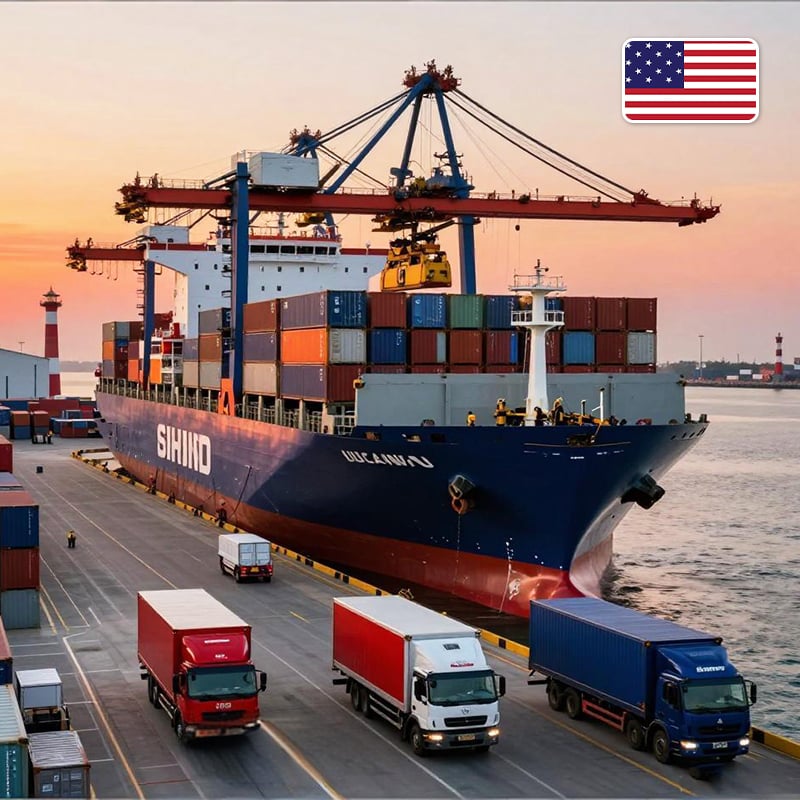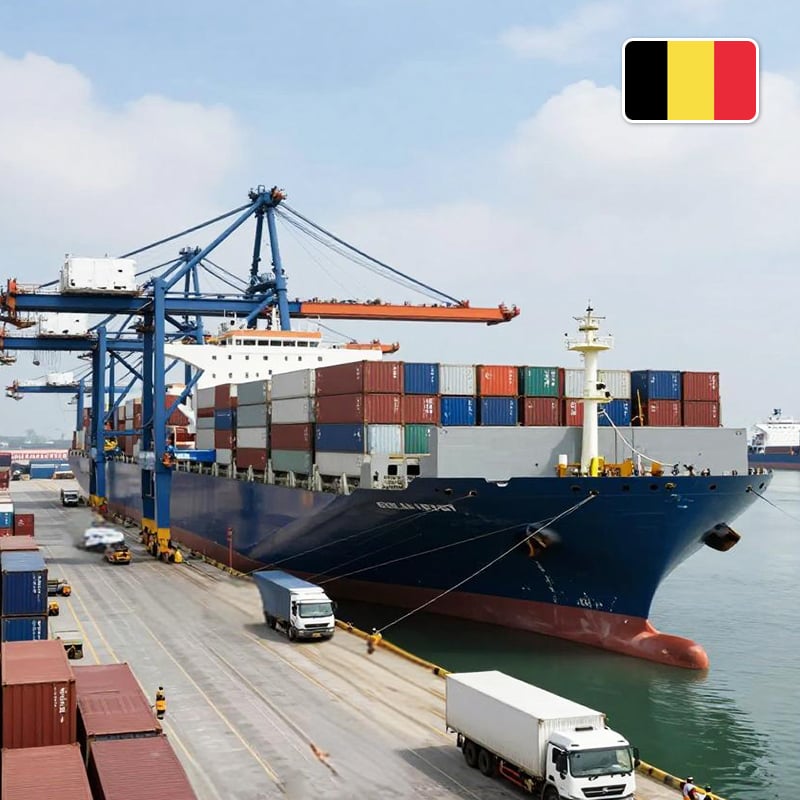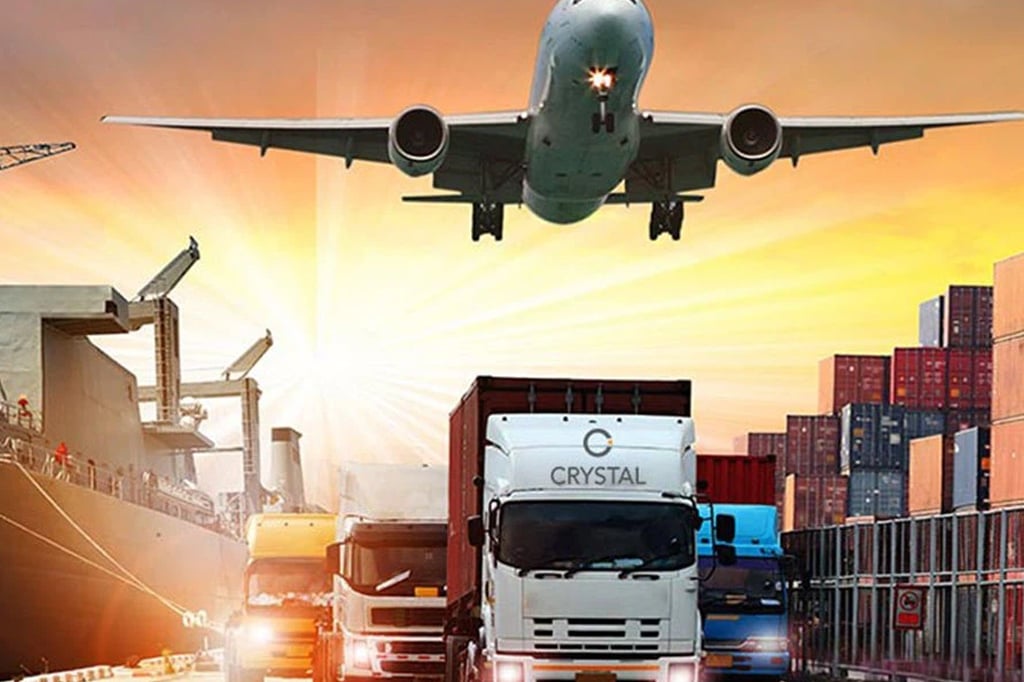
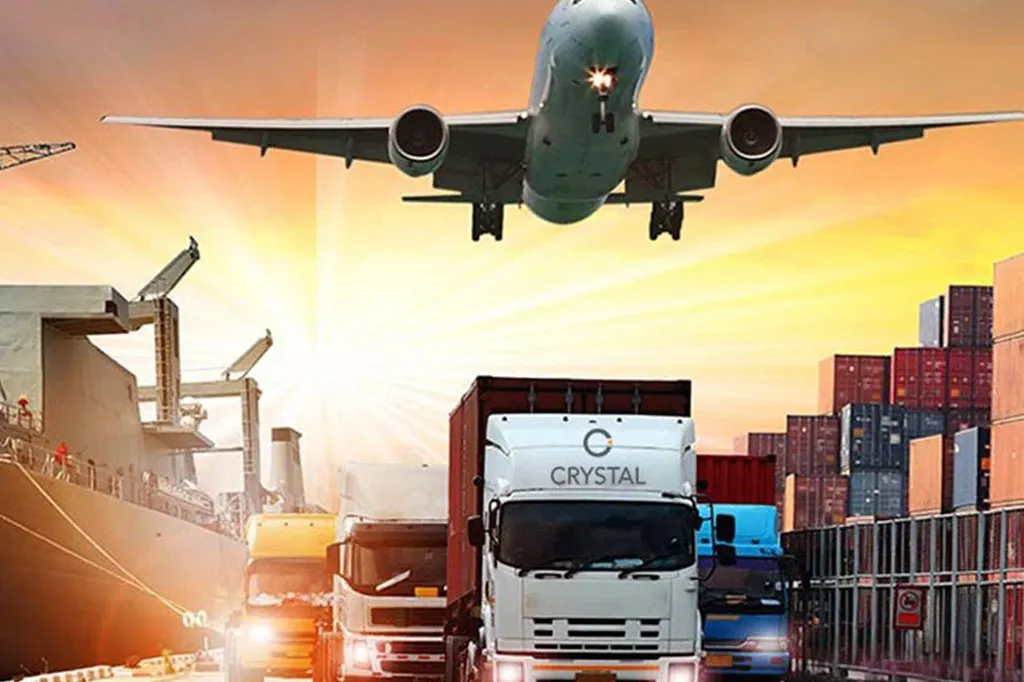
For first-time importers and growing OEM brands, navigating international logistics can feel overwhelming—from complex regulatory compliance to volatile carrier pricing and unpredictable transit times. A professional shipping forwarder eliminates these pain points by acting as your dedicated strategic partner, orchestrating every stage of cross-border cargo movement so you can focus on core business operations. This beginner's guide breaks down the role, key services, and tangible benefits of working with a shipping forwarder to streamline your import supply chain.
A shipping forwarder is a specialized logistics expert that coordinates end-to-end international cargo movement across air, ocean, rail, and road transport modes. Unlike transactional intermediaries, a trusted shipping forwarder serves as an extension of your team, managing documentation, ensuring regulatory compliance, negotiating favorable carrier contracts, consolidating freight, and arranging comprehensive cargo insurance. Their core mission is to simplify global trade, reduce administrative burden, and deliver predictable, cost-effective shipping outcomes for importers.
While responsibilities may occasionally overlap, these three roles serve fundamentally different purposes in the supply chain:
This unique integration of planning, compliance, and execution makes a shipping forwarder the single point of accountability for all your import logistics needs.
Inaccurate or incomplete documentation is the leading cause of import delays, accounting for 34% of all avoidable shipment disruptions (2023 Global Trade Compliance Survey). A professional shipping forwarder manages the full spectrum of mandatory import documentation, including bills of lading, commercial invoices, certificates of origin, ISF filings, and product-specific licenses. They classify goods using precise HS codes, calculate applicable duties and taxes, and ensure full adherence to Incoterms® 2020 rules and regional trade agreements such as USMCA and CPTPP. Their expertise helps you avoid costly clearance bottlenecks that can trigger demurrage fees averaging $740 per day (Ponemon Institute, 2023) and prevent cargo seizures due to non-compliance.
A seasoned shipping forwarder leverages aggregated volume across thousands of clients to negotiate exclusive carrier rates and capacity guarantees that are unavailable to individual importers. They consolidate less-than-container-load (LCL) shipments from multiple shippers into full containers, cutting per-unit freight costs by up to 40% compared to direct unconsolidated bookings. At major intermodal hubs, your shipping forwarder coordinates seamless sea-air-rail transitions while preserving cargo integrity and expediting delivery. Additionally, they arrange tailored cargo insurance that covers transit damage, customs rejection, natural disasters, and theft—providing comprehensive risk mitigation aligned with your specific supply chain vulnerabilities.
A reliable shipping forwarder manages your cargo's journey through five coordinated, transparent stages:
This integrated workflow reduces average transit times by 22% compared to self-managed imports (2023 industry benchmark data) and eliminates the need to coordinate with multiple vendors.
Consider a mid-sized electronics OEM importing components from China to the U.S. for assembly. Facing severe port congestion at Los Angeles, their shipping forwarder sent proactive alerts via a real-time tracking dashboard and swiftly rerouted the shipment through the Port of Oakland, avoiding a 10-day delay. By consolidating their LCL shipments with other compatible cargo, the shipping forwarder reduced per-unit freight costs by 18%. When U.S. Customs requested supplemental product documentation, pre-verified digital records enabled resolution within 3 hours—instead of the typical 3-5 days. Comprehensive cargo insurance covered minor transshipment damage, and proactive detention management eliminated $35,000 in potential fees and lost sales. The result: a resilient supply chain that kept production lines running and customer orders on schedule.
Navigating international imports alone exposes your business to costly delays, compliance penalties, and unpredictable costs. A reliable shipping forwarder turns complex cross-border logistics into a streamlined, predictable process—freeing up your time and resources to grow your business.
For a China-based shipping forwarder with 26 years of specialized experience serving global importers and OEM brands, partner with GES Oriental Global. We offer end-to-end logistics solutions including China-to-USA fast sea freight (14-day pickup), expedited air freight (8-day pickup), Amazon FBA fulfillment, DDP/DDU services, and in-house customs clearance. With 100,000 sq. ft. of self-operated U.S. overseas warehouses, a dedicated U.S. truck fleet, and 1V1 dedicated customer support, we serve over 30,000 clients worldwide with zero hidden fees and guaranteed service reliability.
Contact us today for a no-obligation, customized import logistics quote tailored to your specific business needs.
A shipping forwarder's primary role is to act as an intermediary between shippers and transportation providers, managing documentation, customs compliance, carrier contracts, freight consolidation, and cargo insurance.
While both roles deal with logistics, a shipping forwarder handles end-to-end transportation management, while a customs broker focuses exclusively on customs documentation and adherence to regulations.
Yes, by negotiating competitive freight rates, consolidating shipments, and managing logistics efficiently, shipping forwarders can help reduce import costs significantly.
Shipping forwarders coordinate multimodal transport across air, ocean, rail, and trucking modes to facilitate international cargo movement.
Shipping forwarders arrange cargo insurance to cover risks like transit damage, customs rejection, natural disasters, and theft during the import process.
 Hot News
2024-11-15
2024-11-11
2024-11-06
2024-10-31
2024-10-28
2024-10-25
GES Oriental Global provides top-tier international freight forwarding services, specializing in Amazon, Walmart, express shipping, air, sea, truck, and China-Europe rail transport.
 EN
EN