International Sea Freight Solutions for Global Trade

Get a Free Quote

Our representative will contact you soon.
Email
Name
Company Name
Message
0/1000

international sea freight

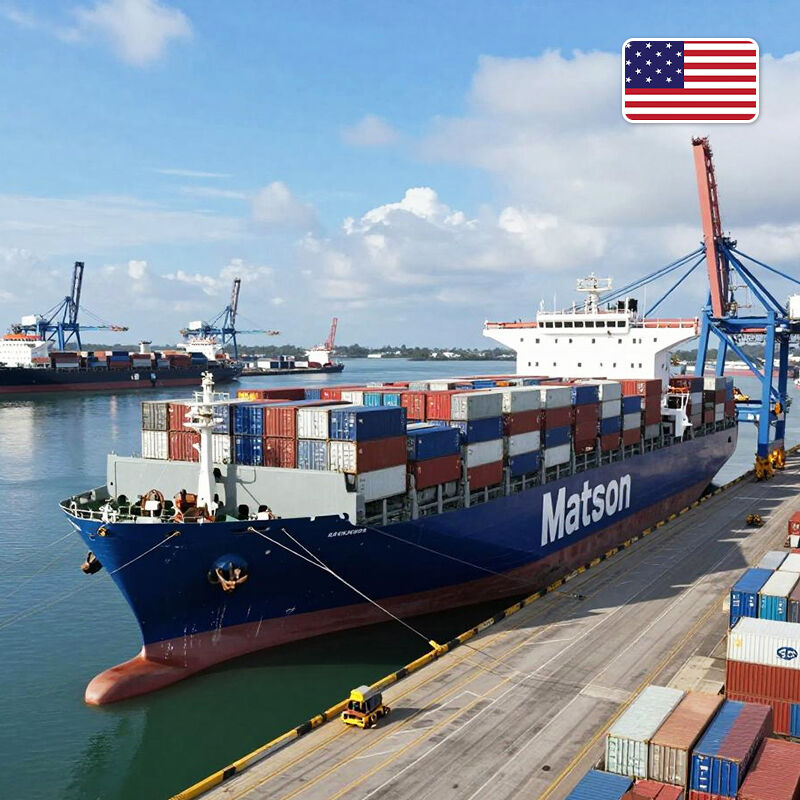
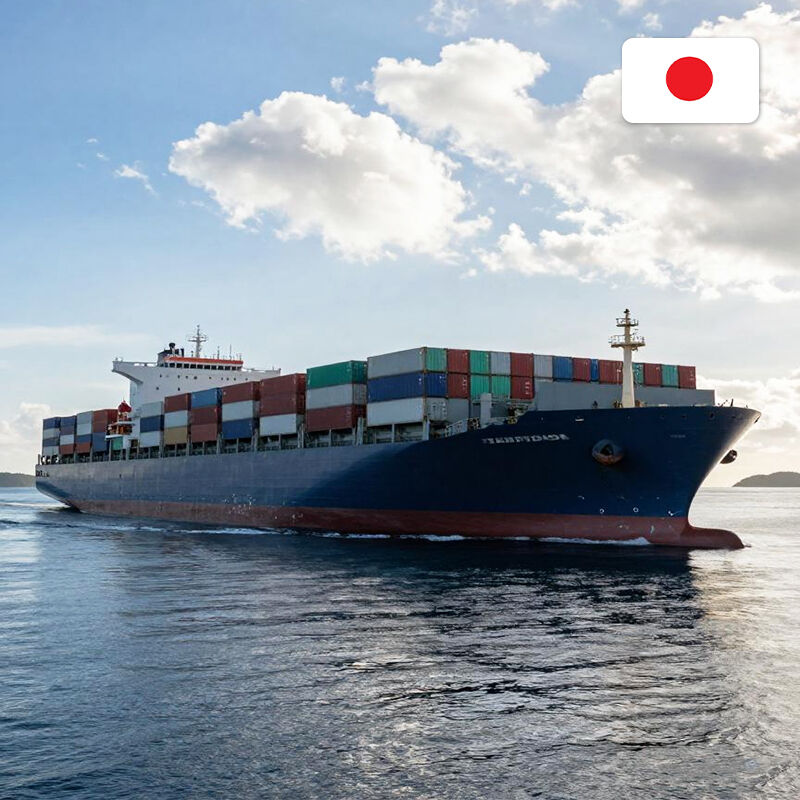
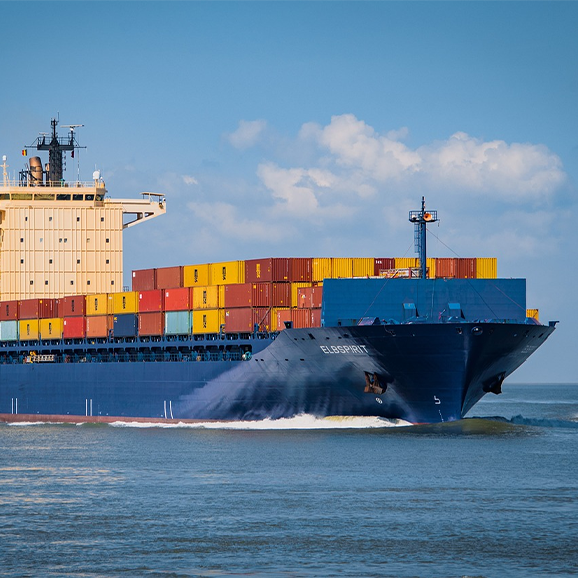
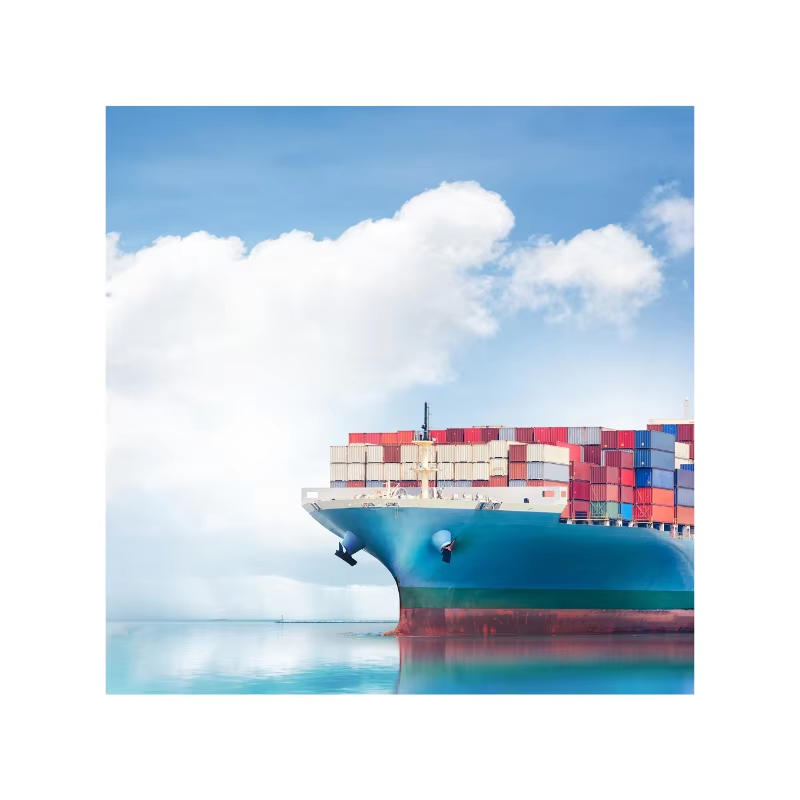
International sea freight represents the backbone of global trade, facilitating the transportation of goods across oceans and connecting businesses worldwide. This shipping method involves moving cargo via oceangoing vessels, ranging from massive container ships to specialized bulk carriers. International sea freight serves as the most cost-effective solution for transporting large volumes of goods over long distances, handling approximately 90 percent of global trade. The service encompasses full container load shipments, less than container load options, and specialized transport for oversized or hazardous materials. Modern international sea freight operations integrate advanced tracking systems, automated port facilities, and standardized container specifications to ensure seamless cargo movement. The technological infrastructure includes real-time GPS monitoring, electronic documentation platforms, and sophisticated logistics management software that provides complete visibility throughout the shipping journey. Businesses utilize international sea freight for diverse applications, including raw material imports, finished product exports, retail inventory replenishment, and project cargo movements. The service accommodates various cargo types, from consumer electronics and automotive parts to agricultural products and industrial machinery. With established shipping routes connecting major ports across continents, international sea freight provides reliable access to markets in Asia, Europe, Americas, Africa, and Oceania. The industry operates under international maritime regulations and customs protocols, ensuring standardized procedures and security measures across different jurisdictions, making it an indispensable component of modern supply chain management.

Popular Products

International sea freight delivers exceptional value through significantly lower transportation costs compared to air freight, often reducing shipping expenses by 60 to 80 percent for equivalent cargo volumes. This cost efficiency enables businesses to maintain competitive pricing while expanding their market reach globally. The capacity advantage stands unmatched, as single container ships transport thousands of containers simultaneously, allowing companies to move substantial inventory in one shipment without capacity constraints. Operational benefits include flexible scheduling with regular departures from major ports, providing consistent shipping options that align with production cycles and inventory planning requirements. The environmental footprint proves considerably smaller per ton of cargo transported, making international sea freight the sustainable choice for environmentally conscious businesses seeking to reduce their carbon emissions. Insurance costs remain lower due to the established safety record and standardized handling procedures that minimize damage risks during transit. Businesses gain access to specialized equipment including refrigerated containers for perishables, flat racks for oversized machinery, and tank containers for liquids, ensuring appropriate transport solutions for virtually any product type. The documentation process has become streamlined through digital platforms, reducing paperwork delays and administrative burdens while improving accuracy. Port infrastructure at major hubs provides comprehensive services including customs clearance, warehousing, and inland distribution connections, simplifying the complete logistics chain. International sea freight supports business growth by enabling bulk purchasing at favorable terms, facilitating entry into new markets, and providing predictable transit times that support effective inventory management. The consolidation options allow smaller businesses to share container space, making international shipping accessible even for companies with limited volumes, democratizing global trade opportunities.

Tips And Tricks

Shipping Terms You Should Know as a Global Business

22

Nov

Shipping Terms You Should Know as a Global Business

GES Oriental Global simplifies global trade with expert shipping term guidance and diverse logistics services.
View More
Optimizing Your Supply Chain with Efficient Shipping Solutions

09

Dec

Optimizing Your Supply Chain with Efficient Shipping Solutions

GES Oriental Global offers comprehensive and efficient shipping solutions to optimize supply chains, enhance transparency, and reduce operational costs for businesses.
View More
How to Ensure Safe Packaging for International Shipments

17

Dec

How to Ensure Safe Packaging for International Shipments

Ensure safe packaging for international shipments with GES Oriental Global, specializing in secure, compliant solutions for air, ocean, and land transport.
View More
Tracking Shipments: Why Real-Time Visibility Matters

20

Dec

Tracking Shipments: Why Real-Time Visibility Matters

GES Oriental Global offers advanced real-time tracking solutions for shipments, enhancing supply chain efficiency and customer transparency.
View More

Get a Free Quote

Our representative will contact you soon.
Email
Name
Company Name
Message
0/1000

international sea freight

Unmatched Cost Efficiency and Scalability

Unmatched Cost Efficiency and Scalability

International sea freight stands as the most economical shipping solution for businesses moving goods across continents, delivering cost savings that directly impact bottom-line profitability. The economies of scale inherent in ocean transport mean that whether shipping a single container or multiple containers, the per-unit cost remains substantially lower than alternative transportation modes. This pricing advantage becomes even more pronounced for heavy or bulky items where dimensional weight calculations would make air freight prohibitively expensive. Businesses benefit from transparent pricing structures with clear base rates, fuel surcharges, and accessorial fees that enable accurate budgeting and cost forecasting. The scalability factor allows companies to adjust shipping volumes according to seasonal demand fluctuations or business growth without encountering capacity limitations. Consolidation services further enhance affordability by enabling smaller shippers to combine cargo with other businesses, accessing international sea freight benefits without requiring full container volumes. This cost-effectiveness extends throughout the supply chain, allowing businesses to maintain larger safety stock levels, negotiate better supplier terms through bulk ordering, and ultimately offer more competitive pricing to end customers while preserving healthy profit margins.
Comprehensive Global Network and Reliability

Comprehensive Global Network and Reliability

International sea freight operates through an extensive network of shipping routes, ports, and logistics partners that provide unparalleled global connectivity for businesses of all sizes. Major shipping lines maintain regular scheduled services connecting thousands of ports across every continent, ensuring consistent access to both established and emerging markets. This reliability stems from decades of infrastructure development, including deep-water ports equipped with modern cranes, extensive intermodal connections, and sophisticated cargo handling systems that minimize delays. The predictability of ocean shipping schedules allows businesses to implement just-in-time inventory strategies and coordinate production planning with arrival dates. Port congestion and weather disruptions are managed through alternative routing options and buffer time calculations that experienced freight forwarders build into transit schedules. The global standardization of container sizes and handling procedures ensures compatibility across different ports and carriers, eliminating technical barriers to international trade. Businesses gain peace of mind through established legal frameworks including international maritime conventions that protect shipper rights and provide recourse mechanisms. The maturity of international sea freight infrastructure means that even remote destinations receive regular service through feeder vessels and transshipment hubs, making truly global distribution networks achievable for businesses seeking worldwide market penetration.
Advanced Technology and Cargo Protection

Advanced Technology and Cargo Protection

Modern international sea freight leverages cutting-edge technology to provide unprecedented visibility, security, and cargo protection throughout the shipping journey. Real-time tracking systems utilizing GPS and IoT sensors enable businesses to monitor container location, temperature, humidity, and shock events continuously from origin to destination. These technological capabilities integrate with enterprise resource planning systems, providing automatic updates that keep inventory records accurate and enable proactive exception management. Blockchain-based documentation platforms are revolutionizing international sea freight by creating tamper-proof records of ownership, customs declarations, and inspection certificates that accelerate clearance processes and reduce fraud risks. Container design innovations include advanced lashing systems, climate control capabilities, and structural reinforcements that protect cargo against the harsh marine environment. Security measures such as electronic seals, container scanning technology, and restricted access protocols ensure that shipments remain intact and uncompromised throughout transit. Insurance providers offer comprehensive marine cargo coverage specifically designed for international sea freight, protecting against risks including water damage, theft, and general average contributions. The combination of physical protection measures and digital oversight creates a secure shipping environment that gives businesses confidence when entrusting valuable inventory to ocean transport, knowing that their cargo receives professional handling and constant monitoring.