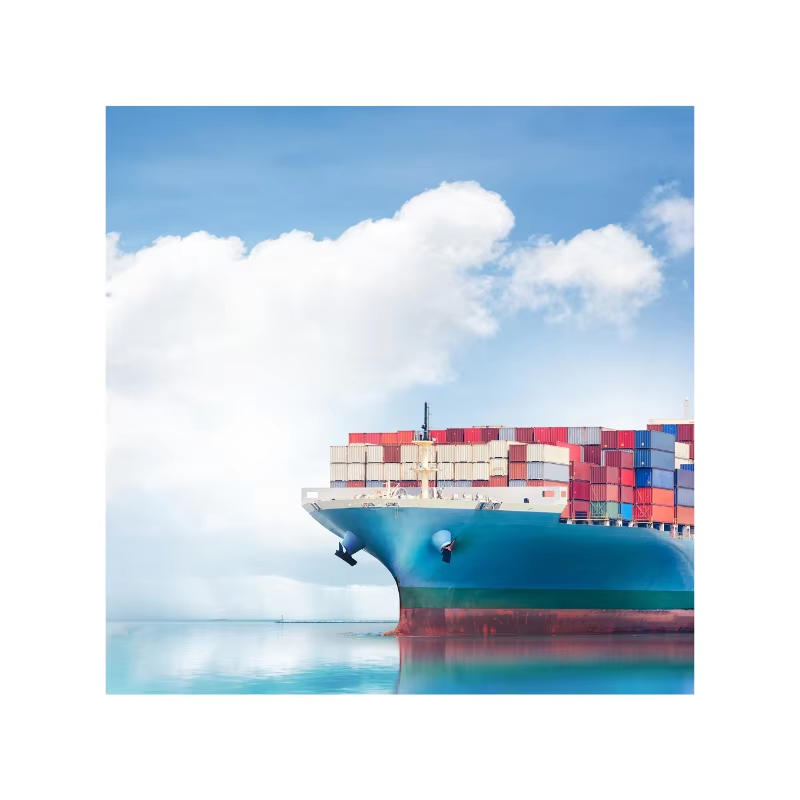
international sea freight shipping
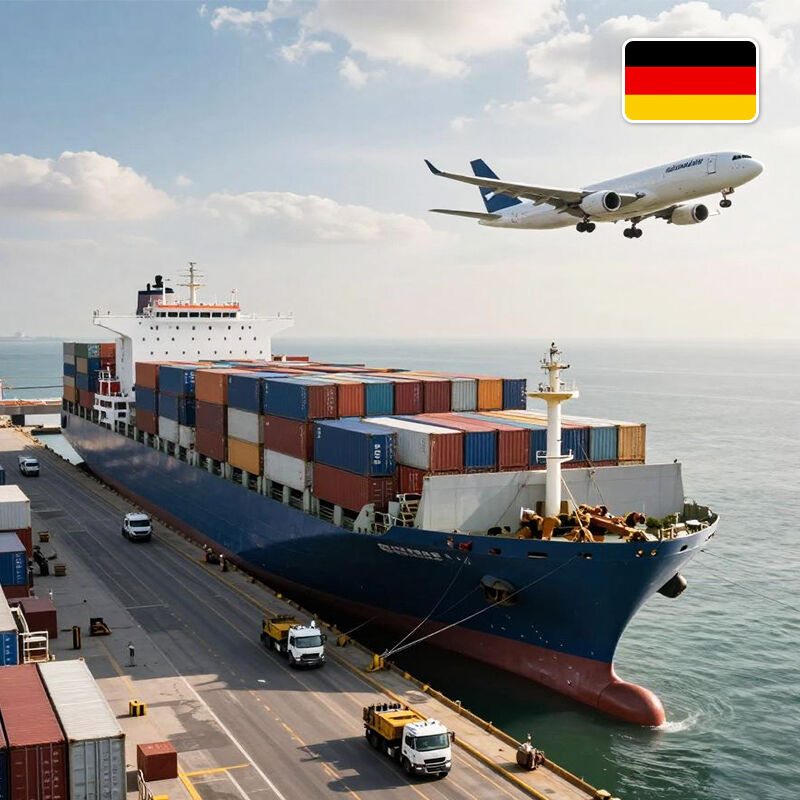
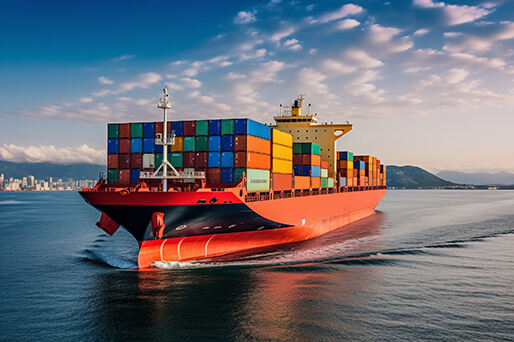
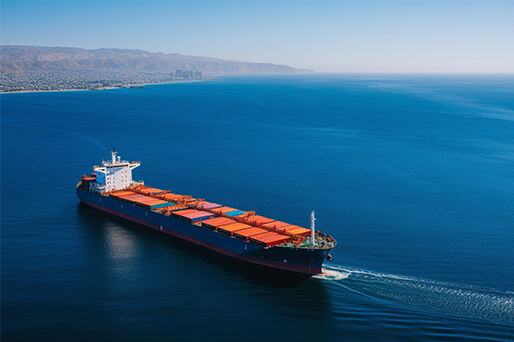
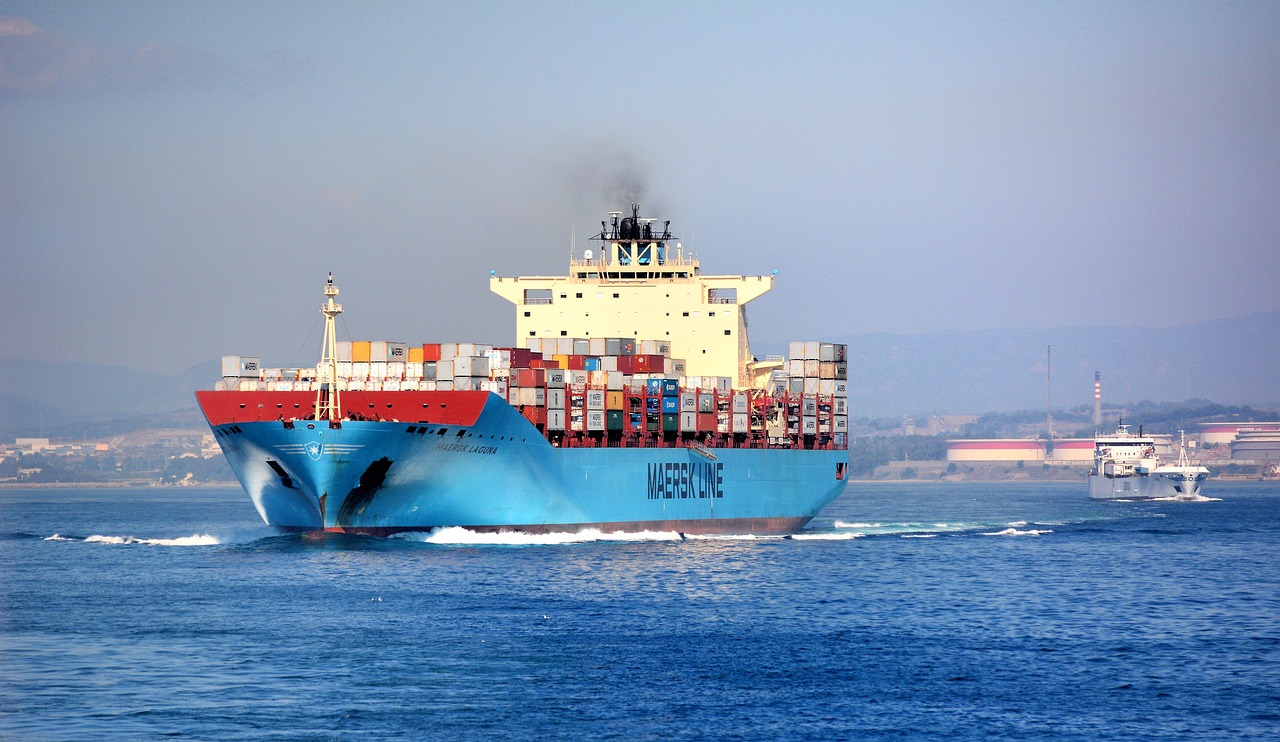
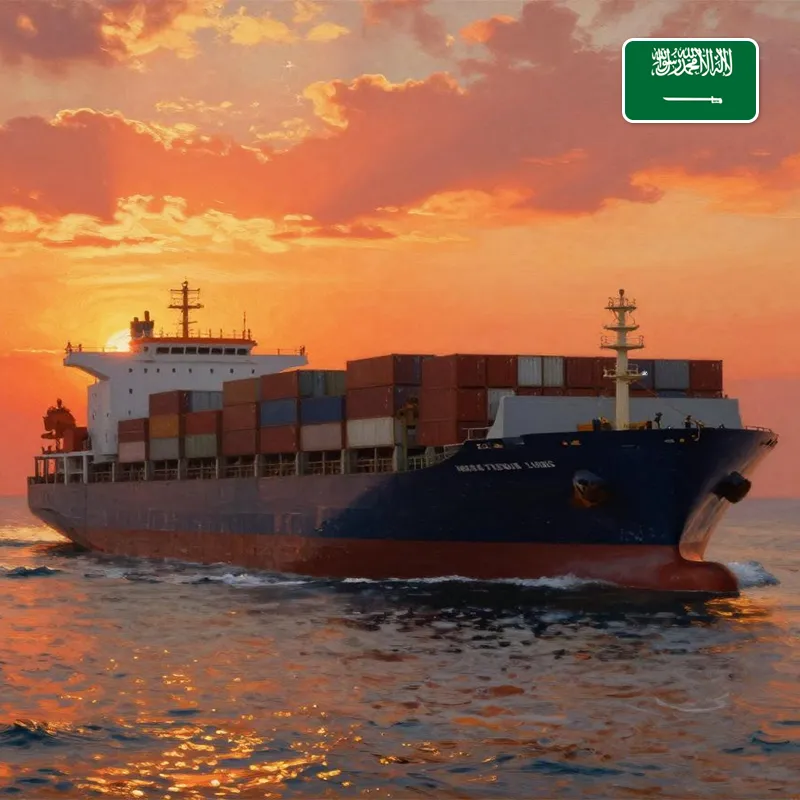
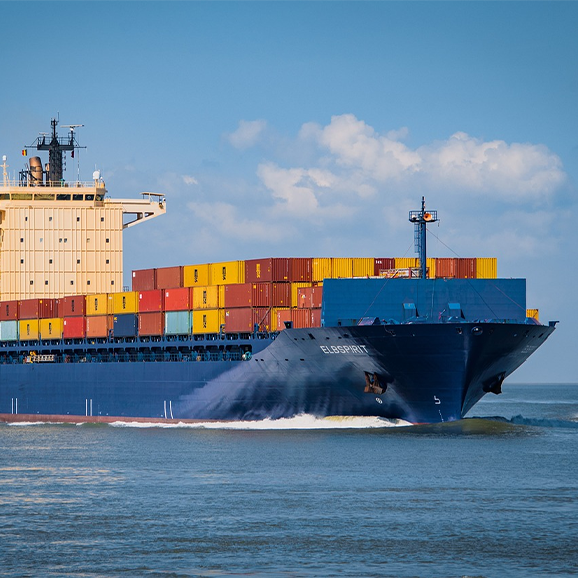
International sea freight shipping is a cornerstone of global trade, providing a cost-effective and reliable method for transporting large volumes of goods across oceans. This logistics solution connects businesses and consumers worldwide, enabling the movement of raw materials, finished products, and commodities between continents. International sea freight shipping operates through container vessels, bulk carriers, and specialized ships that traverse established maritime routes, linking major ports across all continents. The main functions include full container load (FCL) services for large shipments, less than container load (LCL) options for smaller cargo, and specialized transport for oversized or temperature-sensitive goods. Technological features have transformed this industry significantly, with advanced tracking systems providing real-time visibility of shipments, automated port operations expediting loading and unloading processes, and digital documentation platforms streamlining customs clearance. Modern international sea freight shipping incorporates GPS tracking, electronic bills of lading, and integrated supply chain management software that enhances transparency and efficiency. Applications span virtually every industry, from manufacturing and retail to agriculture and energy sectors. Companies utilize international sea freight shipping to import raw materials, export finished goods, and maintain global supply chains. The service accommodates diverse cargo types, including standard containers, refrigerated goods, hazardous materials, and project cargo, making it an indispensable component of international commerce and economic development.
 EN
EN