sea shipping
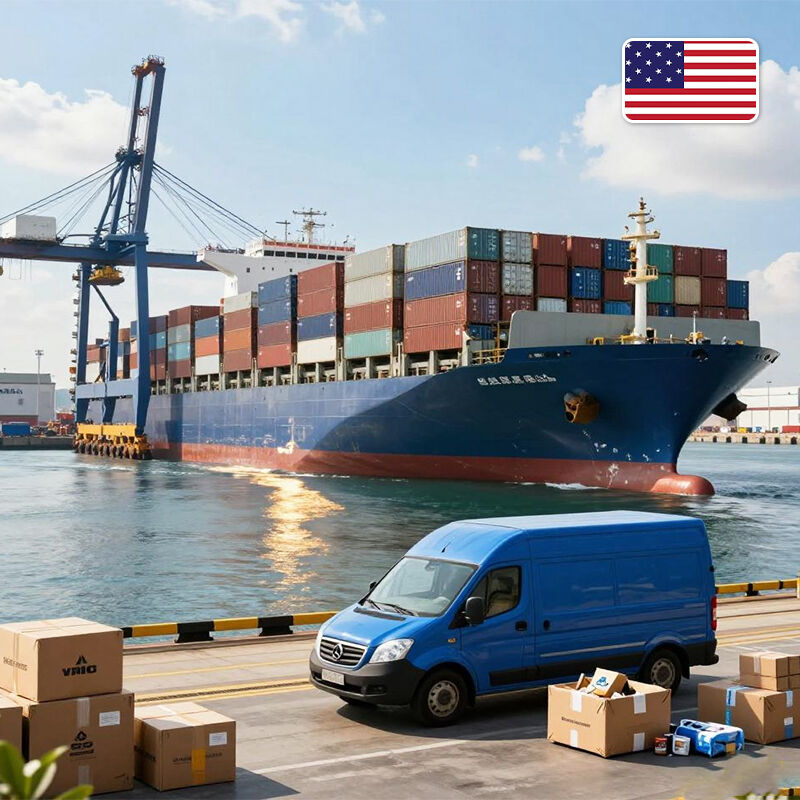
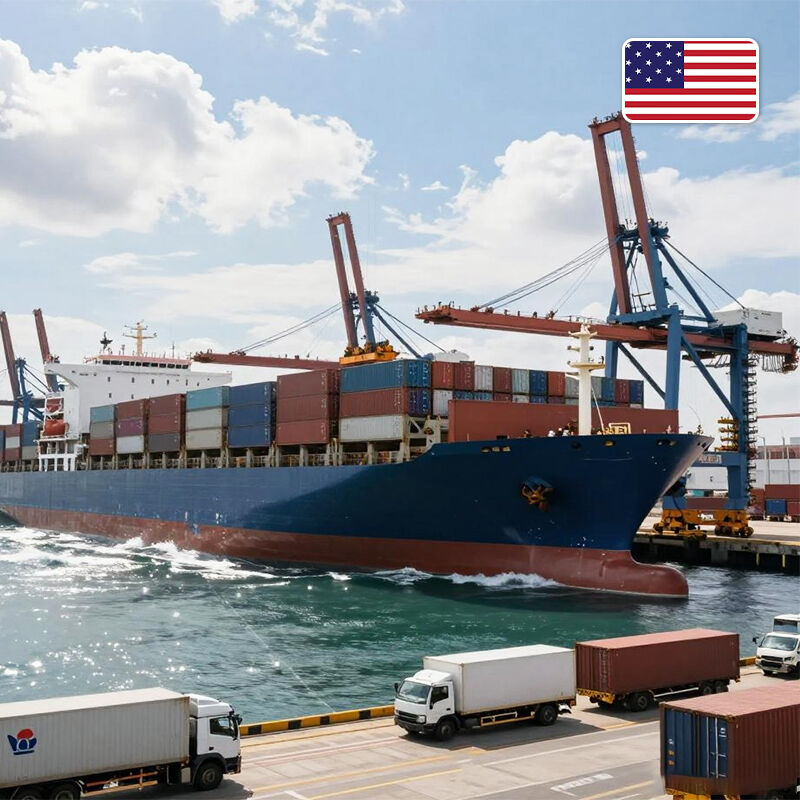
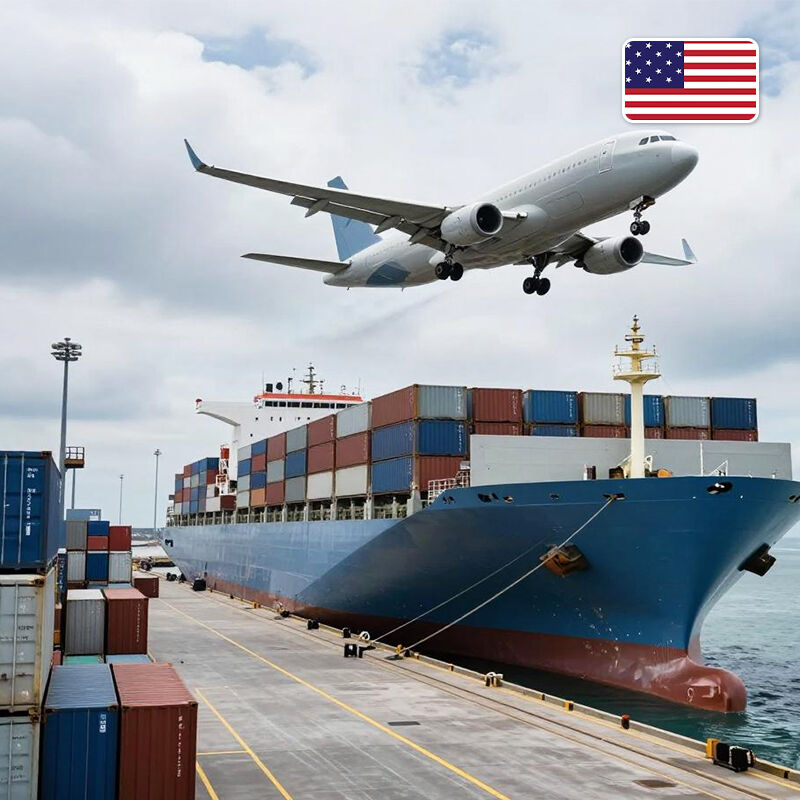
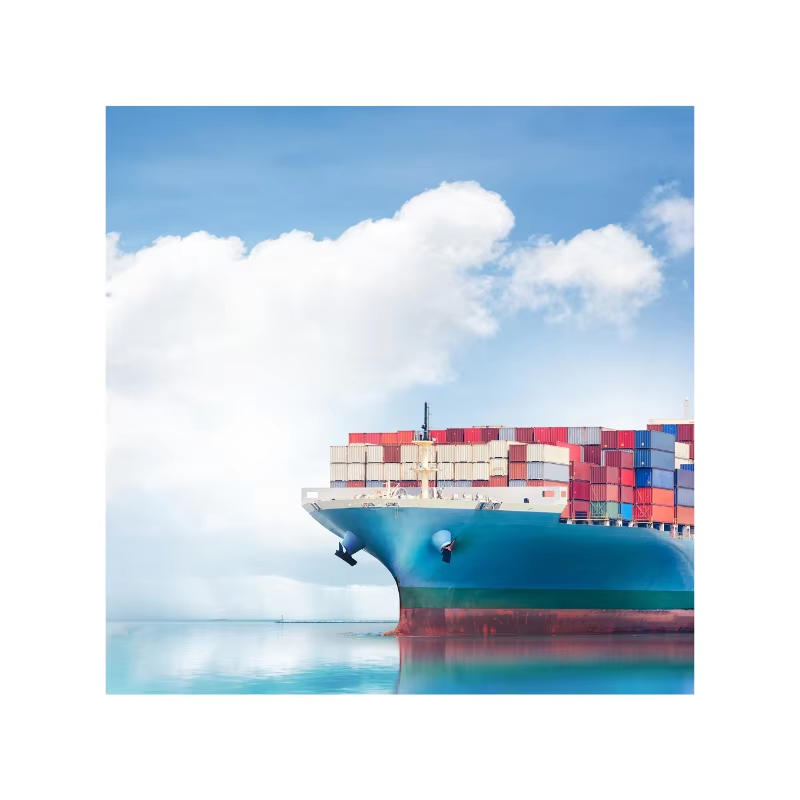
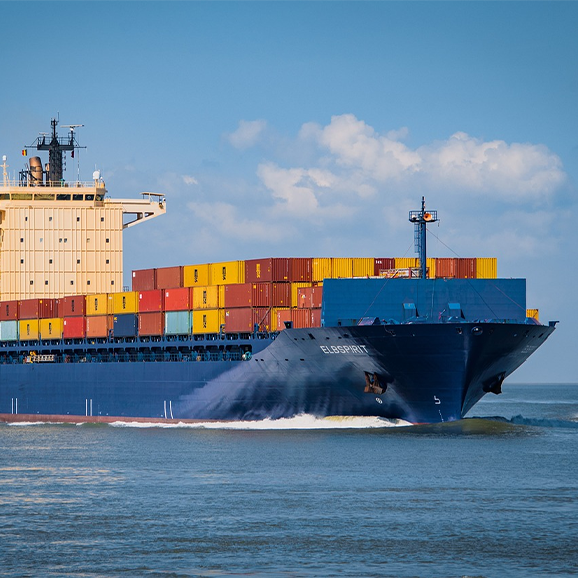
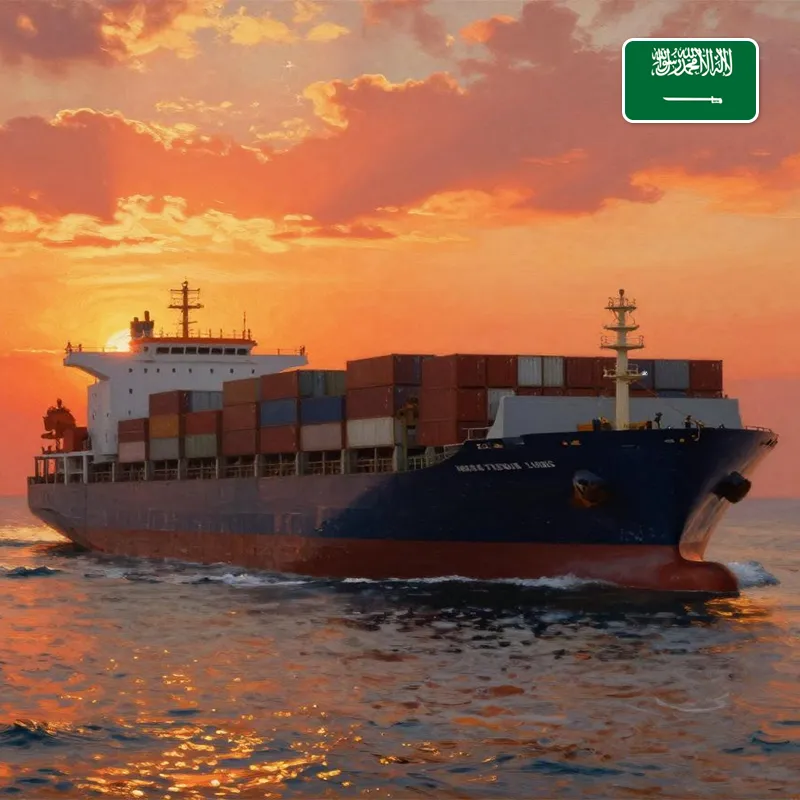
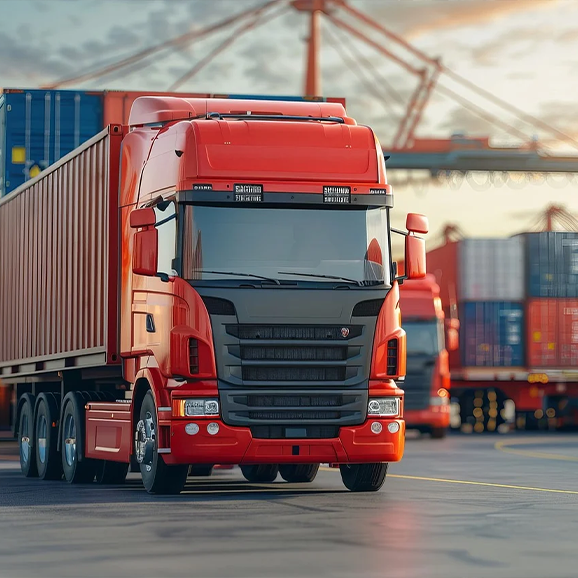
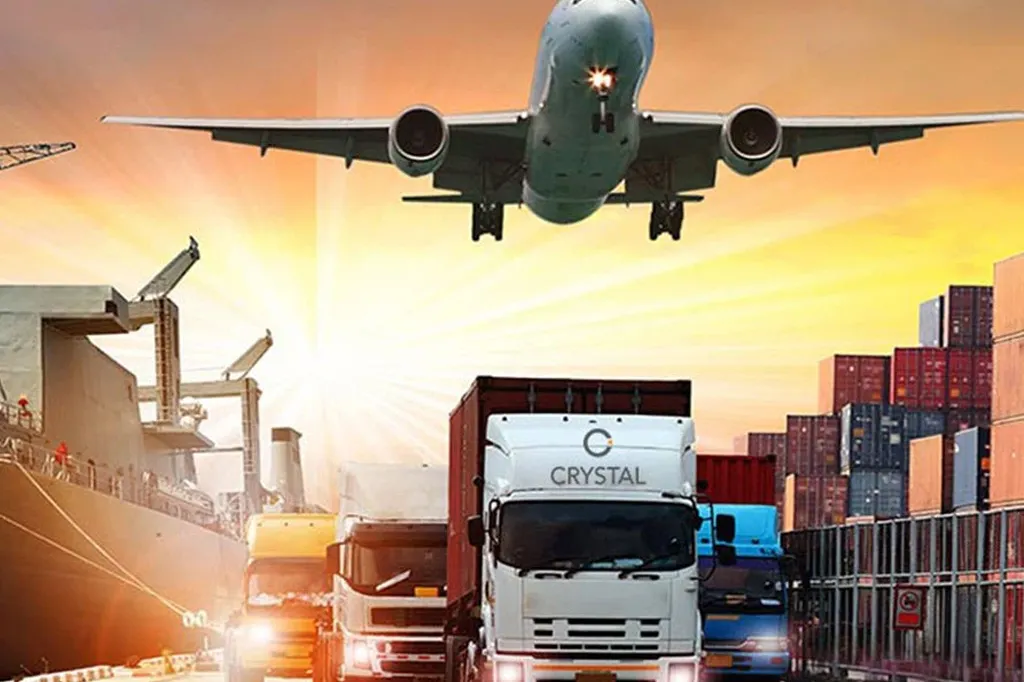
Sea shipping represents the backbone of global trade, moving approximately 90 percent of the world's goods across oceans and waterways. This transportation method utilizes cargo vessels, container ships, bulk carriers, and tankers to deliver products between international ports. Sea shipping encompasses a comprehensive logistics system that includes port operations, customs clearance, documentation management, and multimodal transportation connections. The main functions of sea shipping involve transporting large volumes of merchandise cost-effectively over long distances, facilitating international commerce, and providing reliable supply chain solutions for businesses worldwide. Technological features include advanced GPS tracking systems that monitor vessel locations in real-time, automated loading and unloading equipment at modern ports, sophisticated cargo management software, and electronic documentation platforms that streamline customs procedures. Container standardization has revolutionized sea shipping by enabling efficient handling and seamless transfers between ships, trucks, and trains. Modern vessels feature fuel-efficient engines, optimized hull designs, and emission reduction technologies that minimize environmental impact. Applications of sea shipping span virtually every industry, from manufacturing and retail to agriculture and energy sectors. Companies use sea shipping to import raw materials, export finished products, distribute consumer goods, and transport heavy machinery. The service accommodates various cargo types including containerized goods, bulk commodities like grain and coal, liquid petroleum products, refrigerated perishables, and oversized industrial equipment. Sea shipping remains the preferred choice for businesses seeking economical, dependable, and scalable international freight solutions that support global market expansion.
 EN
EN