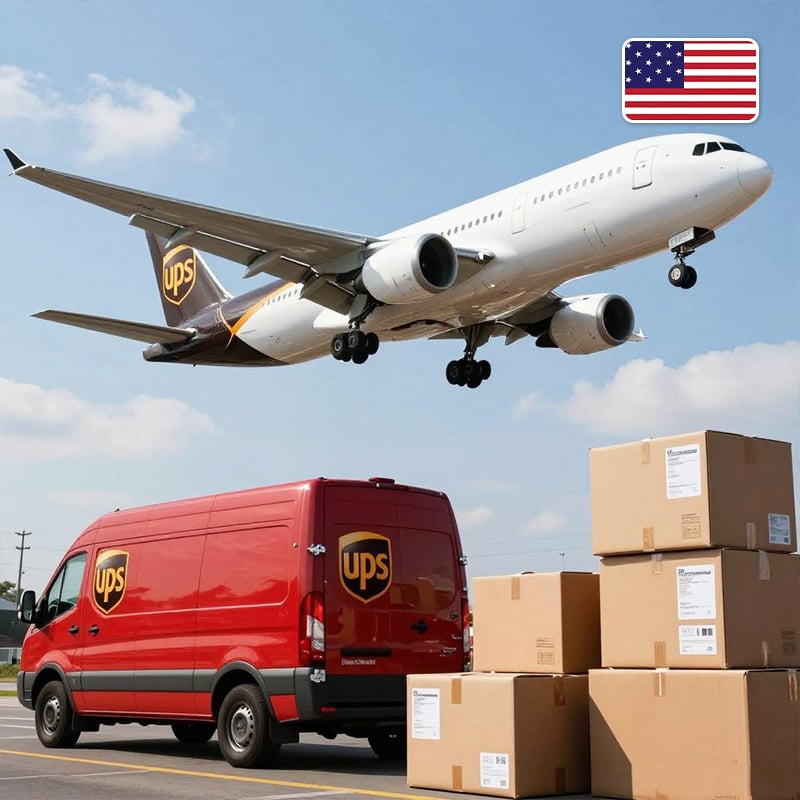
An FBA forwarder plays a critical role in ensuring your products reach Amazon fulfillment centers correctly prepared and properly labeled. Whether you're shipping from overseas or domestically, understanding carton labeling requirements and fulfillment center shipping standards is essential for smooth operations and avoiding costly delays or rejections. The difference between compliant and non-compliant shipments often comes down to meticulous attention to these details.

Amazon's fulfillment center shipping protocols demand precision at every step. An experienced FBA forwarder understands that carton labeling and prep rules are not optional guidelines but mandatory compliance standards. When shippers overlook these requirements, shipments face hold-ups, rejection, or reworking costs that directly impact your bottom line and inventory turnover rates.
Every box shipped to a fulfillment center must display a scannable barcode label that Amazon generates through your Seller Central account. This label must be affixed to the top of each carton in a specific location to ensure warehouse scanning equipment can read it without obstruction. The label size, format, and placement are non-negotiable components of Amazon's FBA shipping protocol that every FBA forwarder must enforce.
The carton labeling standard requires barcode placement at least one inch from the edge of the box and in a clear, unobstructed area. Labels must not be placed on seams, folds, or surfaces that fold or bend during handling. Your FBA forwarder should verify label legibility before shipment consolidation, as damaged or unclear labels cause scanning failures at fulfillment centers and trigger manual intervention, delaying your inventory availability.
Quality matters significantly in carton labeling. The barcode must be printed on a white background with high contrast ink to ensure optical scanners read it accurately on the first pass. Blurry, faded, or low-contrast labels force warehouse staff to manually input tracking information, introducing errors and processing delays. A professional FBA forwarder uses calibrated label printers and tests barcode readability before sealing shipments.
Additionally, carton labeling must include human-readable text beneath the barcode showing the fulfillment center code and shipment ID. This redundancy protects against scanner failures and helps warehouse staff identify shipments if barcode reading encounters problems. Fulfillment center shipping standards require this information to be clearly legible and properly formatted according to Amazon's specifications.
Beyond carton labeling, individual units or products may require their own labels depending on the product category and your FBA prep service selection. Items that are commingled in fulfillment centers must display manufacturer barcodes clearly visible on the product itself. Some products require additional labeling with item condition information or hazmat designations if applicable. Your FBA forwarder should clarify which prep rules apply to your specific product catalog.
Prep rules vary by product type. Standard items shipped in their original packaging may require minimal additional labeling, while used or refurbished items need condition labels. Items with restricted categories or hazmat materials demand specialized labeling and documentation. An experienced FBA forwarder ensures your shipment meets these category-specific prep rules before it reaches the fulfillment center.
FBA shipping requires sturdy, secure packaging that protects products during transit to fulfillment centers. Boxes must be constructed from corrugated cardboard of adequate thickness and properly sealed with strong packing tape. Undersized or oversized boxes, insufficient padding, or weak seals result in in-transit damage, leading to refusals at the fulfillment center and financial loss.
Weight distribution inside each carton is equally critical for fulfillment center shipping. Heavy items should not be concentrated in one area, as this causes box deformation and product damage. Your FBA forwarder coordinates with packing teams to ensure boxes meet Amazon's dimensional and weight specifications, preventing surcharges and acceptance issues at receiving docks.
Clear communication with your FBA forwarder prevents misunderstandings about carton labeling procedures and fulfillment center shipping timelines. Provide detailed product specifications, category restrictions, and any special prep requirements upfront. Request sample shipment documentation and verification reports showing carton labeling compliance and prep rule adherence before full shipment departure.
Documentation should include the shipment ID, carton count, weight totals, and a photo record of labeled cartons. An organized FBA forwarder maintains detailed logs for each shipment and provides tracking updates throughout the fulfillment center shipping journey. This transparency helps you identify any compliance issues early and maintain audit-ready records of your supply chain operations.
Before your FBA forwarder ships your products, require pre-shipment inspections that verify carton labeling accuracy, barcode readability, and compliance with all prep rules. Testing includes barcode scanning to confirm Amazon's warehouse systems recognize each label without errors. This QA step prevents costly rejections at the fulfillment center and protects your inventory flow and customer order fulfillment schedules.
Choose an FBA forwarder that maintains relationships with fulfillment center staff and stays current on policy updates. Amazon periodically modifies carton labeling rules and prep requirements, and your logistics partner must track these changes to keep your shipments compliant. Proactive communication about regulatory updates ensures your operations remain aligned with Amazon's current standards.
Improperly placed or unreadable carton labels cause scanning failures, triggering manual processing and shipment holds. Fulfillment center staff must then manually identify and route your products, delaying inventory availability and potentially causing misplacement within the warehouse. In severe cases, Amazon may refuse the entire shipment and return it at your expense, requiring relabeling and reshipping by your FBA forwarder.
Yes, a comprehensive FBA forwarder offers full prep services including individual unit labeling, condition marking, and compliance with category-specific requirements. They coordinate with your manufacturing or sourcing facilities to ensure products meet all prep rules before consolidation into FBA shipping cartons. This end-to-end service reduces your risk of fulfillment center rejections and ensures seamless inventory flow.
Amazon updates fulfillment center shipping standards and carton labeling specifications periodically, sometimes with short notice. A reliable FBA forwarder monitors these changes and proactively notifies clients about new requirements or best practices. Staying informed prevents compliance issues and ensures your shipments continue meeting current standards without operational disruptions.
 Hot News
2024-11-15
2024-11-11
2024-11-06
2024-10-31
2024-10-28
2024-10-25
GES Oriental Global provides top-tier international freight forwarding services, specializing in Amazon, Walmart, express shipping, air, sea, truck, and China-Europe rail transport.




 EN