Managing inbound logistics for Amazon FBA operations requires precise coordination and strategic planning. An effective fba forwarder plays a critical role in ensuring your inventory reaches fulfillment centers on schedule and in optimal condition. Delays in inbound shipments can disrupt sales velocity, strain cash flow, and create inventory gaps that directly impact your bottom line. Understanding how to optimize your fba forwarder operations is essential for maintaining competitive advantage in today's fast-paced e-commerce environment.
The complexity of fba shipping extends beyond simply booking a container. Your fba freight routing, consolidation timing, documentation accuracy, and carrier selection all influence whether your shipments arrive within your target window. Optimization requires a comprehensive approach that addresses each stage of the inbound journey. This guide explores actionable strategies to streamline your fulfillment center shipping operations and eliminate unnecessary delays that compromise profitability.
Documentation errors are among the leading causes of fba freight delays at customs and receiving facilities. Preparing complete, accurate paperwork well before your shipment departs is fundamental to avoiding costly holds. Your fba shipping documentation must include detailed packing lists, commercial invoices, certificates of origin, and harmonized tariff codes that match your product classifications exactly. Inaccuracies trigger inspections, re-examination, and processing delays that can extend your transit time by days or weeks.
Work closely with your fba forwarder to establish a standardized documentation template tailored to your product mix. Ensure all information is verified against your actual shipment contents before submission. Many delays stem from discrepancies between declared values and actual goods, weight inconsistencies, or missing supplier certifications. Implementing a quality control checkpoint before documentation submission catches these issues upstream, saving time and avoiding penalties that compound logistics costs.
Amazon fulfillment center shipping requires advance coordination with the carrier and the receiving facility itself. Schedule your inbound deliveries through Amazon's system in advance, allowing sufficient buffer time for customs clearance and ground transportation. Your fba freight timeline should account for potential delays at border crossings, port operations, and final last-mile delivery to the specific fulfillment center. Many sellers optimize fulfillment center shipping by consolidating multiple shipments into fewer, larger inbounds that reduce handling touchpoints and administrative processing time.
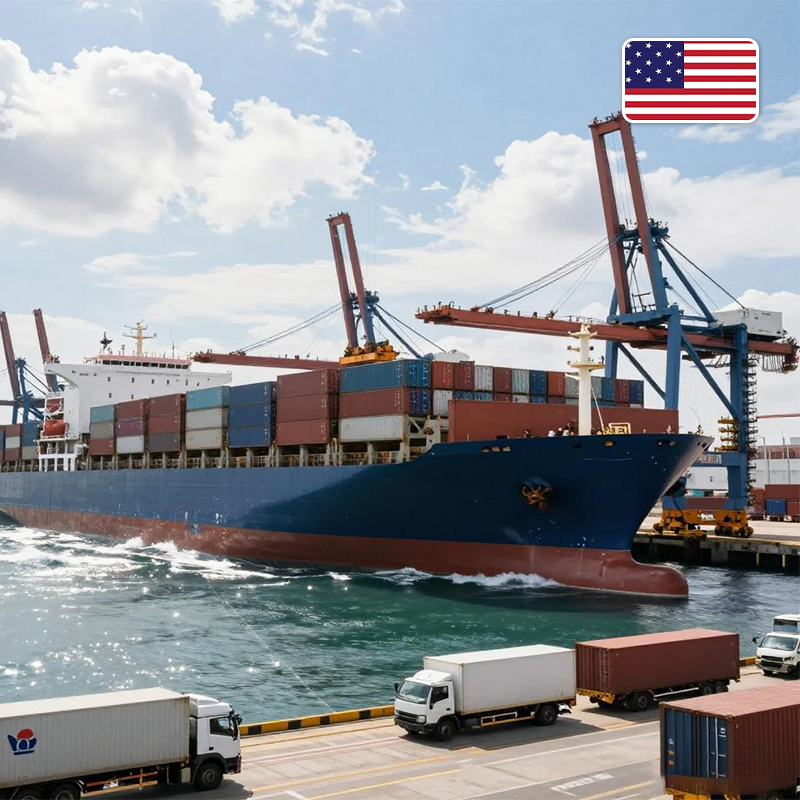
Different fba shipping modes offer distinct speed-cost tradeoffs that directly impact your inbound delays. Air freight delivers the fastest transit but commands premium rates that may not justify the expense for non-perishable goods. Ocean freight with expedited port services can balance cost and reliability for most fba forwarder operations. LCL (less-than-container-load) consolidation through your fba freight provider allows cost-effective loading without committing to a full FCL container, though processing at consolidation warehouses adds time.
Your fulfillment center shipping strategy should match your carrier selection to realistic market conditions and demand forecasts. During peak seasons, ocean freight backlogs can extend transit windows by two to four weeks, making premium options necessary for time-sensitive inventory. Your fba forwarder should provide transparent transit estimates that account for current port congestion, seasonal patterns, and known customs processing delays. Building relationships with carriers offering dedicated fba shipping schedules reduces uncertainty and improves your ability to commit reliable arrival dates to Amazon.
Consolidating shipments through intermediate warehouses adds days to your fba freight journey unnecessarily. Experienced fba forwarder providers can arrange direct routing from origin ports to your assigned Amazon fulfillment center, bypassing inland consolidation hubs. This direct approach requires higher minimum volumes but delivers significant time savings for sellers managing consistent inventory replenishment cycles. Evaluating whether your shipment volume justifies direct fulfillment center shipping options is a key optimization decision that your logistics partner should present clearly.
Inbound delays are inevitable despite optimization efforts. The most resilient fba shipping strategy incorporates safety stock buffers that maintain adequate inventory coverage while your next shipment transits. Analyze your historical fba freight patterns to establish realistic lead times including worst-case customs delays and port congestion. Your fba forwarder can provide historical transit data showing variability in fulfillment center shipping timelines, allowing you to set inventory thresholds that trigger earlier replenishment orders when stock approaches critical levels.
Predictive inventory planning reduces panic reorders that force emergency expedited fba shipping at inflated rates. Instead, initiating standard shipments earlier based on demand forecasts and historical lead time variance keeps your fulfillment center stock balanced without premium freight expenses. Many sellers discover that booking one or two additional containers annually on standard schedules costs less than managing constant expedited shipments triggered by avoidable stockouts. Your fba forwarder should participate in quarterly planning sessions to review inventory patterns and suggest routing optimizations that reduce per-unit logistics costs.
Visibility into fba freight movement enables rapid problem-solving before delays cascade into receiving issues. Modern fba shipping platforms provide tracking data at each stage: origin pickup, consolidation, port loading, vessel transit, port discharge, customs clearance, and final delivery to the fulfillment center. Establishing automated alerts for status changes allows your team to proactively engage your fba forwarder when milestones slip. Early intervention can recover lost time through expedited inland transport, priority customs brokering, or coordination with Amazon to adjust expected arrival windows.
Standard ocean freight typically requires 3 to 6 weeks for fba forwarder operations from Asian origins to U.S. fulfillment centers, accounting for origin handling, port operations, vessel transit, and customs processing. Your fba freight timeline should add 5 to 10 additional days as buffer for potential delays. Expedited options reduce this to 2 to 3 weeks at higher cost. Your specific fba shipping duration depends on origin port, destination fulfillment center, seasonal port congestion, and your fba forwarder's efficiency.
Misclassified harmonized codes, value discrepancies between invoices and actual goods, missing or incorrect supplier certificates, and incomplete packing lists are frequent culprits. Your fba forwarder should verify all fulfillment center shipping documentation before submission to prevent examination holds. Ensuring your declared value matches actual cost and your product classifications align with customs databases eliminates the majority of preventable delays in fba freight processing.
Yes, consolidation through your fba forwarder can significantly reduce per-unit fba freight costs when volumes justify it. However, coordination timing matters—waiting for consolidation can introduce delays if poorly scheduled. Your fba shipping strategy should balance the cost savings of full-container loads against your timeline pressure and working capital constraints. A skilled fba forwarder helps you determine optimal consolidation windows that maximize savings without sacrificing fulfillment center shipping reliability.
 Hot News
2024-11-15
2024-11-11
2024-11-06
2024-10-31
2024-10-28
2024-10-25
GES Oriental Global provides top-tier international freight forwarding services, specializing in Amazon, Walmart, express shipping, air, sea, truck, and China-Europe rail transport.
 EN