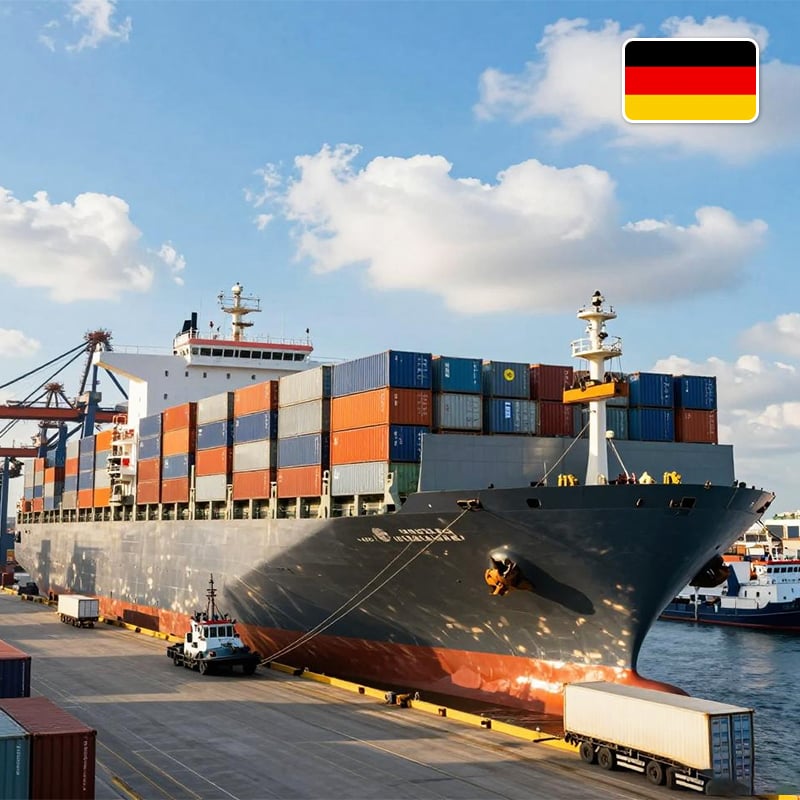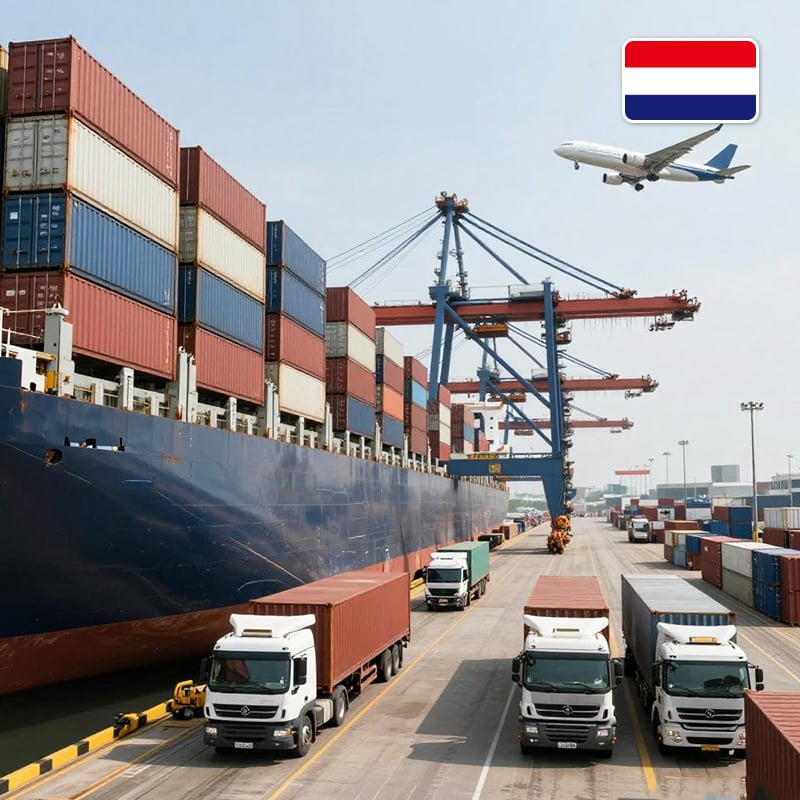
Selecting the right shipping agent is one of the most critical decisions for businesses engaged in international trade from China. A reliable partner ensures your cargo reaches its destination on time, within budget, and with proper documentation. The complexity of cross-border logistics means that choosing poorly can result in costly delays, damaged goods, regulatory violations, and damaged business relationships. This guide walks you through the essential factors to evaluate when selecting a shipping agent that truly meets your operational needs.

Finding a qualified shipping agent requires understanding your own business requirements first. Whether you need freight forwarding services for containerized goods, partial shipments, or specialized cargo, your agent must demonstrate expertise in your specific category. International logistics management encompasses multiple disciplines including rate negotiation, carrier selection, documentation coordination, and risk mitigation. A competent shipping agent combines technical knowledge with established carrier relationships and a track record of successful deliveries.
Effective freight forwarding services go far beyond booking cargo space. Your shipping agent must understand modal options including ocean freight, air shipping, rail transport, and multimodal combinations. They should evaluate your shipment urgency, budget constraints, and destination logistics to recommend the most cost-effective routing. A capable agent maintains relationships with major carriers and consolidation providers, enabling them to access competitive rates and reliable capacity even during peak seasons.
The quality of freight forwarding services becomes evident in how agents handle documentation, rate transparency, and proactive communication. Request references from existing clients and ask about typical transit times, damage rates, and cost overrun frequency. Verify whether the agent has established operations at key Chinese ports such as Shanghai, Shenzhen, and Ningbo. Strong freight forwarding services include real-time shipment tracking, customs pre-clearance coordination, and direct communication with carrier representatives.
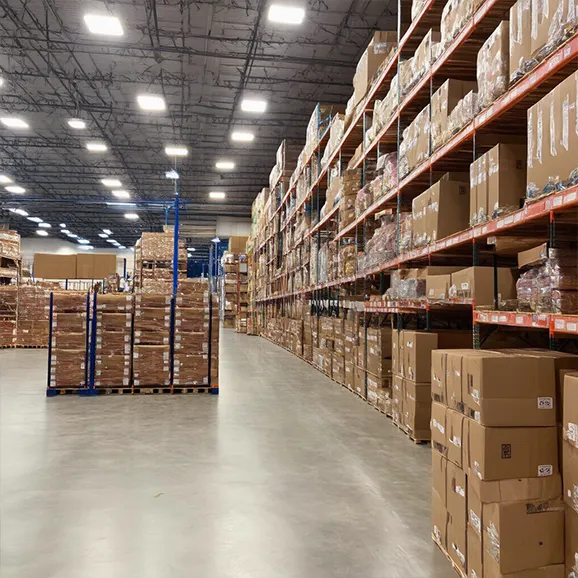
International logistics management requires coordinated effort across multiple touchpoints. Your agent must manage pickup from your facility, consolidation if needed, port operations, customs documentation, carrier coordination, and final destination delivery. This integrated approach minimizes handoff errors and delays. Professional international logistics management includes liability insurance, cargo tracking technology, and contingency planning for port congestion or carrier delays. Verify that your potential agent maintains warehousing capacity for temporary storage and value-added services such as labeling or kitting.
Customs clearance procedures represent a major complexity in international trade, and mistakes create expensive delays or penalties. Your shipping agent must demonstrate current knowledge of Chinese export regulations, destination country import requirements, and any applicable trade agreements. Ask candidates to walk you through their customs clearance procedures for your specific product category. They should explain how they gather necessary documentation, verify HS codes, obtain required certificates, and communicate with customs authorities at origin and destination.
A reliable agent stays updated on regulatory changes and proactively flags compliance risks before shipment. Verify their experience with your target markets and any special documentation your goods require. For example, products subject to export licensing, food items requiring health certificates, or electronics requiring energy efficiency documentation all demand specialized knowledge. Request examples of customs clearance procedures they have managed successfully in your destination markets. Check their relationships with licensed customs brokers in key ports to ensure smooth clearance on both ends.
Strong customs clearance procedures include redundancy and escalation protocols. Ask how the agent handles customs holds, additional documentation requests, or disputed classifications. Their response time and authority to make decisions directly impacts your supply chain reliability. A professional shipping agent maintains relationships with customs officials and brokers who can expedite resolution when issues arise. Request their standard response time for customs inquiries and their track record of shipments cleared without delays or penalties.
Your shipping agent should align with your growth trajectory and geographic expansion plans. If you currently export to Southeast Asia but plan European expansion, verify that your candidate agent maintains partnerships supporting those future destinations. Comprehensive international logistics management means access to reliable ground transportation, customs expertise, and destination port contacts in every market you serve. Agents with owned operations offer greater control, while network-based agents provide broader geographic reach. Evaluate which model better serves your operational philosophy and risk tolerance.
Request detailed information about their capabilities in your target markets. Freight forwarding services quality varies significantly by region, and you need an agent whose relationships ensure consistent service delivery. Verify their technology platforms for shipment visibility, documentation management, and invoice accuracy. Modern international logistics management relies heavily on real-time systems and automated tracking. If your systems require API integration or EDI connectivity, confirm that your candidate agent supports these technical requirements.
Reliable shipping agents provide detailed cost breakdowns and honor quoted rates. Request itemized quotes showing freight charges, handling fees, customs clearance procedures costs, documentation charges, and any other applicable expenses. Compare quotes from multiple agents, but prioritize transparency and completeness over lowest price. Verify the agent's financial stability by requesting references from long-term clients and checking industry reputation sources. Unstable agents may cut corners on service quality or fail to pay carriers promptly, creating supply chain disruptions.
Look for official licenses, certificates from industry bodies such as FIATA or IATA, insurance coverage documentation, and long-term client references. Your shipping agent should hold legal authority to clear customs in China and maintain bonded warehouse licenses if they offer storage. Request proof of banking relationships and financial stability. Ask about their personnel's certifications and training in freight forwarding services and customs clearance procedures.
Request case studies of shipments similar to yours, including transit times, handling of complications, and final delivery success. Ask about their technology platform capabilities for real-time tracking and documentation management. Contact three or more of their existing clients in your industry to discuss service reliability. Request sample documentation they would prepare for your shipments and verify accuracy. A quality agent should provide weekly communication and immediate escalation when issues arise.
Ask how they determine correct HS classifications, what supporting documents they require from you, and their process for obtaining export licenses when needed. Inquire about their experience with your specific product category and destination market. Request their standard timeline for completing customs clearance procedures and their approach to handling delays. Ask whether they monitor destination country import regulations and proactively alert you to compliance requirements. Verify their contingency procedures when customs issues arise.
 Hot News
2024-11-15
2024-11-11
2024-11-06
2024-10-31
2024-10-28
2024-10-25
GES Oriental Global provides top-tier international freight forwarding services, specializing in Amazon, Walmart, express shipping, air, sea, truck, and China-Europe rail transport.



 EN
EN