Shipping goods from China to the United States by sea involves navigating complex logistics, understanding ocean shipping rates, managing international customs clearance, and tracking shipments across oceans. For importers and businesses looking to expand their supply chains, selecting a reliable sea freight forwarder is critical to ensuring timely, cost-effective delivery. This guide walks you through every step of the process, from rate negotiation to final delivery, helping you make informed decisions about your China to USA sea freight operations.
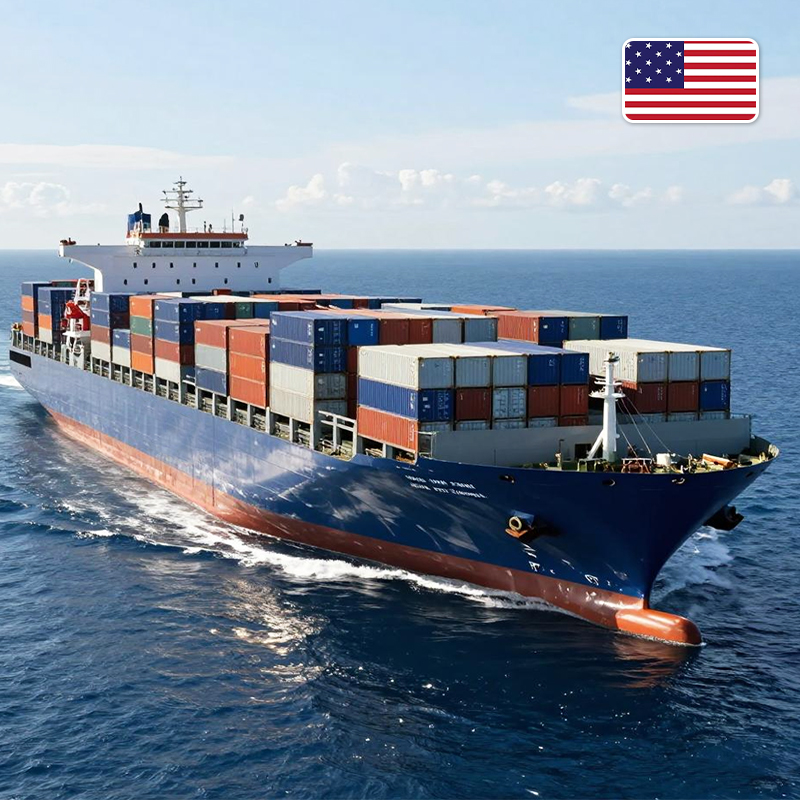
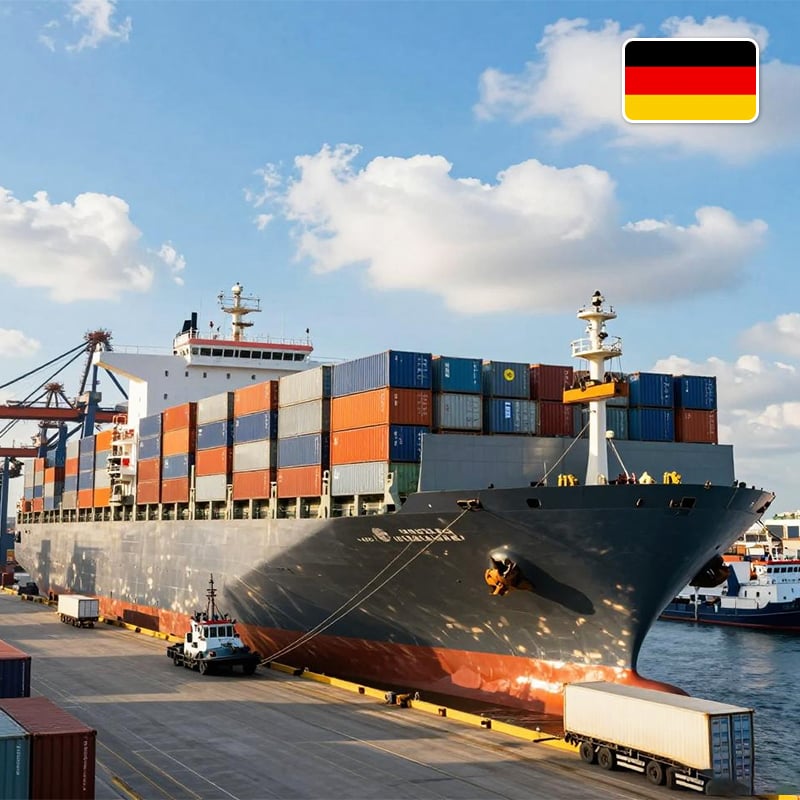
Understanding the fundamentals of sea freight logistics is essential before you commit to a shipping arrangement. The journey from Chinese ports to American terminals involves multiple stakeholders, regulatory requirements, and operational considerations that directly impact your bottom line. Whether you're importing raw materials, finished goods, or components, working with an experienced sea freight forwarder simplifies this complexity and helps you optimize costs while maintaining schedule reliability.
Ocean shipping rates fluctuate based on multiple market factors, including fuel costs, vessel capacity utilization, seasonal demand, and trade lane competition. Your sea freight forwarder evaluates these variables to secure competitive ocean shipping rates for your cargo. Rates are typically quoted per TEU (Twenty-foot Equivalent Unit) or FEU (Forty-foot Equivalent Unit) and may include ancillary charges for bunkers, terminal handling, documentation, and customs brokerage.
Understanding the components of ocean shipping rates helps you identify savings opportunities and negotiate better terms. Base rates represent the carrier's charge for moving your container, but accessorial fees often represent 20 to 40 percent of total shipping cost. A knowledgeable sea freight forwarder breaks down all charges transparently, allowing you to budget accurately and avoid unexpected expenses at port.
Ocean shipping rates experience seasonal peaks during peak import seasons, typically August through October in North America. Booking cargo during shoulder seasons or consolidating shipments can reduce your overall ocean shipping rates significantly. Market rate transparency has improved through industry platforms, enabling you to benchmark pricing and ensure your sea freight forwarder offers competitive terms aligned with current market conditions.
International customs clearance for China to USA shipments requires precise documentation, including commercial invoices, packing lists, certificates of origin, and certificates of conformity where applicable. Your sea freight forwarder coordinates with customs brokers to ensure all paperwork meets Customs and Border Protection (CBP) requirements before your container arrives at the US port. Missing or inaccurate documentation delays clearance, incurs penalties, and ties up working capital.
Advance filing of entry documents through the Automated Broker Interface (ABI) accelerates international customs clearance and reduces port dwell time. Your sea freight forwarder manages this process end-to-end, ensuring compliance with FDA, EPA, DOT, or other agency requirements depending on your product classification. Tariff classification under the Harmonized Tariff Schedule directly impacts your duty obligations, making expert guidance essential.
International customs clearance also involves managing risk from product inspections, anti-dumping duties, and country-of-origin verification. A proactive sea freight forwarder implements compliance best practices, including supplier audits, documentation verification, and advance notice filings that reduce inspection probability. Understanding trade agreements like USMCA can unlock duty-reduction opportunities that significantly lower your landed costs.
Modern container tracking and tracing technology provides end-to-end visibility from Chinese origin ports through US destination terminals. Your sea freight forwarder supplies tracking credentials and system access, enabling you to monitor container movement, confirm on-time performance, and anticipate arrival windows. Real-time alerts notify you of port operations, equipment repositioning, and delays, allowing proactive coordination with your receiving facilities.
Container tracking and tracing data integrates with your enterprise resource planning (ERP) system, synchronizing forecasts, inventory management, and supply chain planning. Visibility into vessel schedules, port congestion, and rail availability helps you optimize receiving operations and minimize distribution center strain. This transparency also strengthens vendor management, as you can verify carrier performance against service-level agreements and hold sea freight forwarders accountable for commitments.
Despite careful planning, disruptions occur in international logistics. Container tracking systems flag exceptions such as delays, equipment failures, or documentation issues, triggering immediate escalation protocols. Your sea freight forwarder maintains direct relationships with carriers, terminal operators, and customs authorities, enabling rapid problem resolution that minimizes impact on your supply chain. Proactive exception management turns potential crises into manageable adjustments, protecting schedule integrity and customer commitments.
Evaluate your sea freight forwarder based on carrier relationships, port coverage, technology platforms, customs expertise, and track record on ocean shipping rates and on-time performance. Verify their experience with your product category and destination regions. Check references, review their international customs clearance processes, and confirm container tracking and tracing capabilities through their digital platforms. Cost is important, but service reliability and expertise often deliver greater total value.
Consolidate shipments to fill containers efficiently, shifting from LCL (less-than-container load) to FCL (full-container load) rates. Negotiate volume commitments with your sea freight forwarder to secure better ocean shipping rates and priority service. Shift booking patterns toward shoulder seasons and consider slower transit services if schedule allows. Review your product mix for heavier, lower-value items that benefit from consolidated, slower ocean shipping rates compared to air freight alternatives.
Standard international customs clearance typically takes one to three business days after container arrival, assuming documentation is complete and the shipment faces no compliance issues. Advance entry filing and proper documentation preparation accelerate this timeline. Your sea freight forwarder coordinates with customs brokers and terminal operators to ensure port-to-warehouse transit occurs smoothly, with container tracking and tracing confirming each milestone in the clearance sequence.
 Hot News
2024-11-15
2024-11-11
2024-11-06
2024-10-31
2024-10-28
2024-10-25
GES Oriental Global provides top-tier international freight forwarding services, specializing in Amazon, Walmart, express shipping, air, sea, truck, and China-Europe rail transport.
 EN
EN