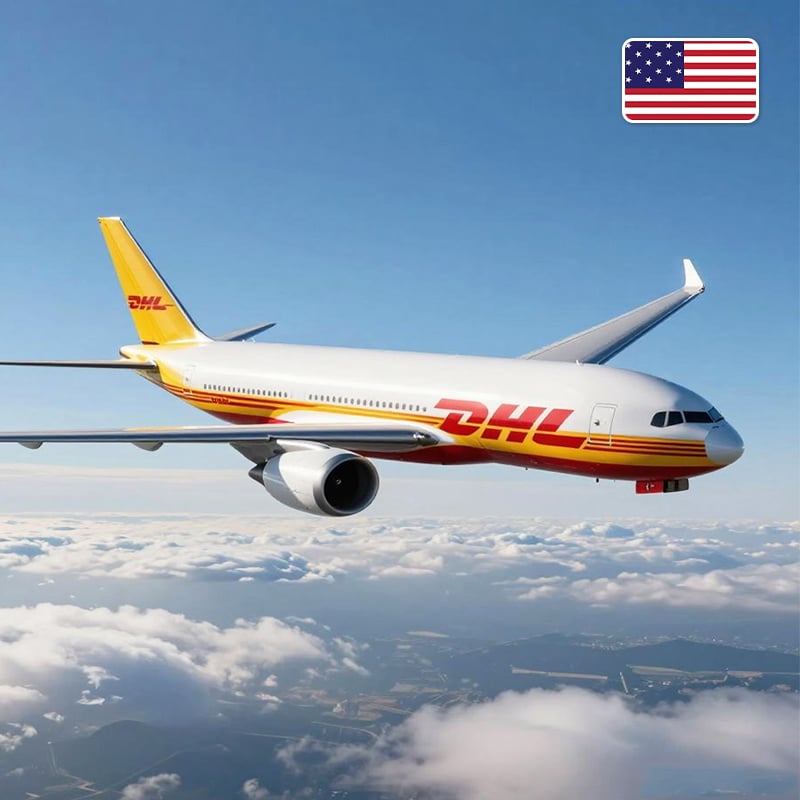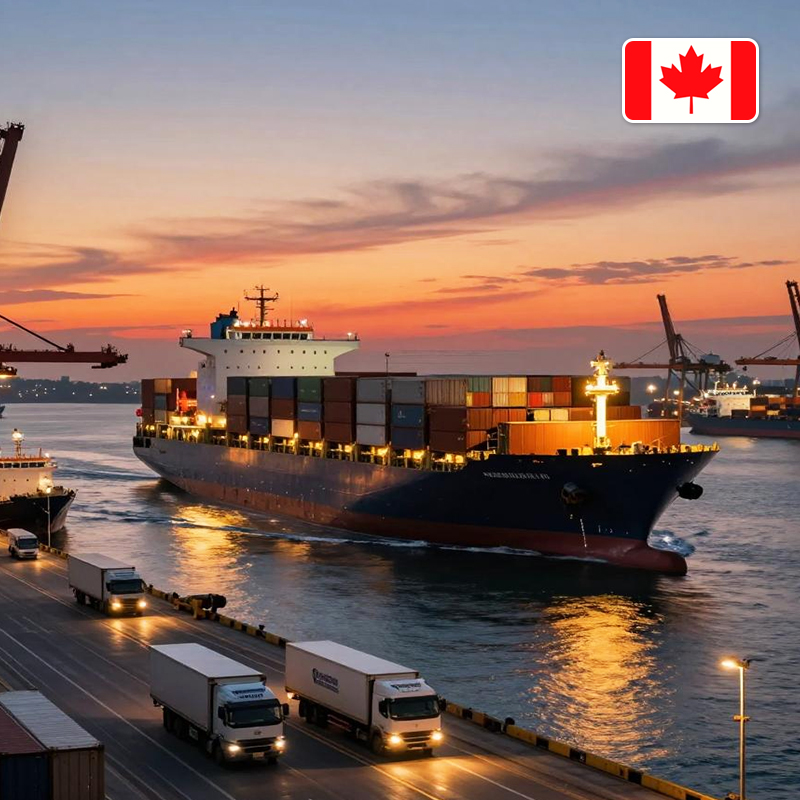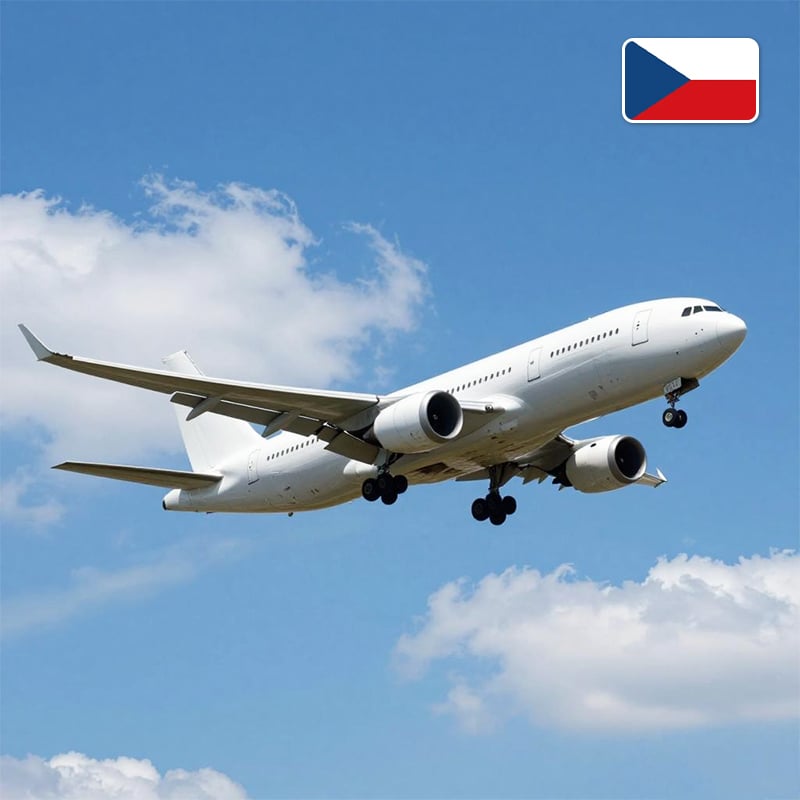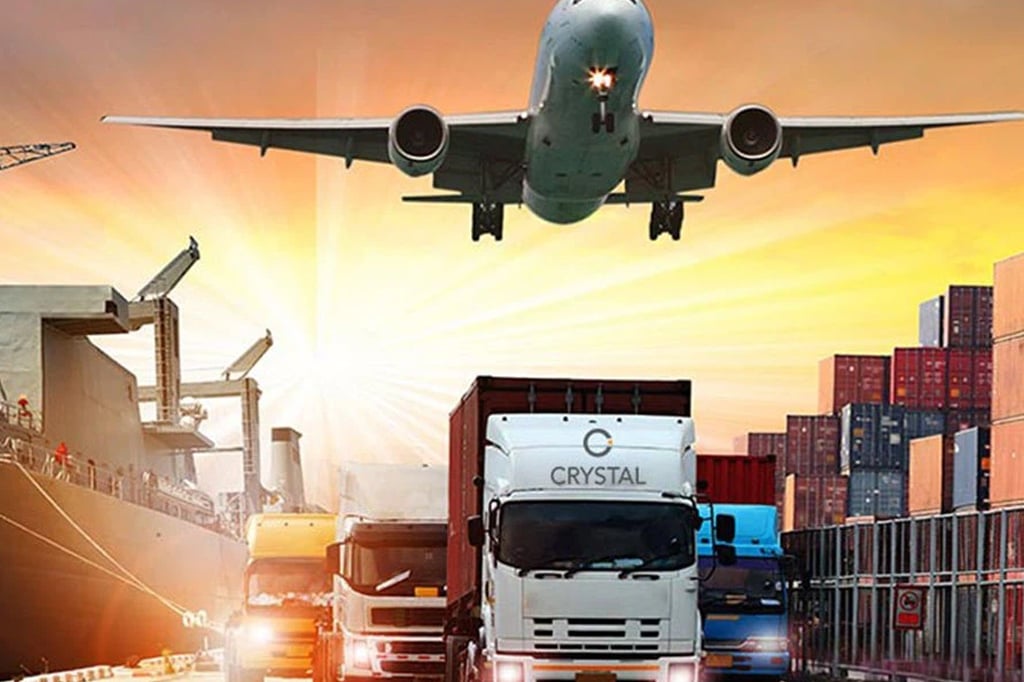
A shipping forwarder plays a critical role in international trade, especially for importers bringing goods from China. Whether you're a small business importing electronics or a larger enterprise sourcing raw materials, understanding what a freight forwarder does can save you time, money, and operational headaches. A shipping forwarder acts as your logistics intermediary, managing everything from warehouse coordination to final delivery at your destination port.
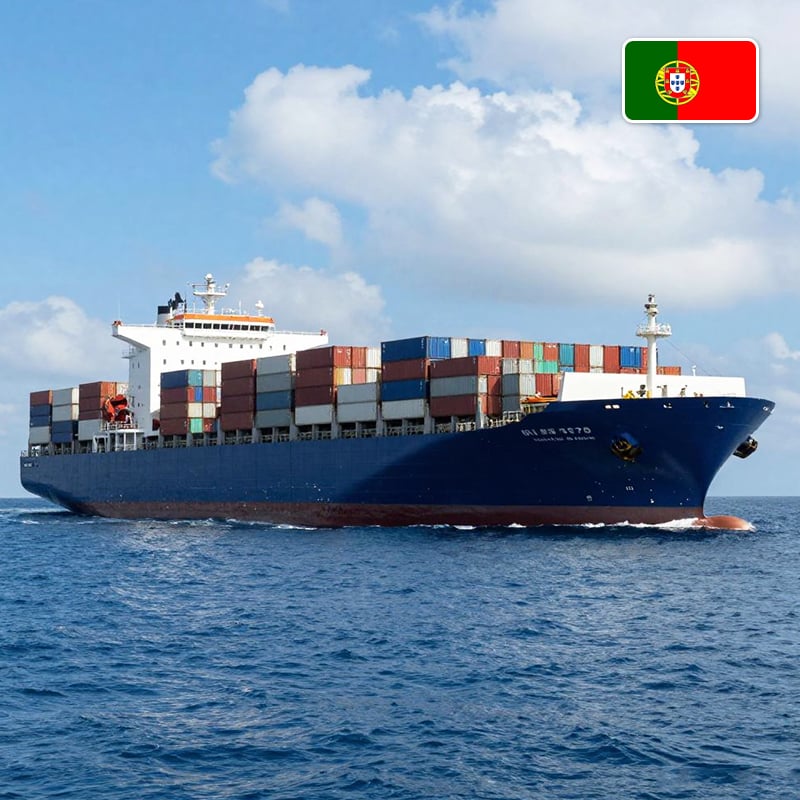
For importers shipping from China, partnering with the right international freight forwarding provider transforms a complex, multi-step supply chain into a manageable process. Freight forwarding encompasses multiple services including customs clearance services, documentation management, and logistics coordination. This guide walks through the essential functions of a freight forwarder and why they matter for your import business.
International freight forwarding involves orchestrating the movement of goods across borders and oceans. Your freight forwarder selects the best shipping routes, negotiates carrier rates, and books space on vessels or aircraft. They coordinate pickup from suppliers in China, arrange for goods to be delivered to the port, and ensure timely loading onto the chosen vessel. This coordination role is essential because timing affects your inventory costs and ability to meet customer demand.
A professional international freight forwarding partner also monitors shipment status in real-time, providing visibility from origin to destination. They track clearing procedures at transit ports and alert you to any delays or issues that might impact your delivery schedule. This proactive communication prevents supply chain surprises and allows you to adjust your operations accordingly.
Customs clearance services represent one of the most technically complex aspects of importing. Your shipping forwarder prepares and submits all required documentation, including commercial invoices, packing lists, certificates of origin, and import declarations. They ensure your shipment complies with tariff codes, trade regulations, and destination-country requirements. Errors in customs documentation can lead to shipment holds, penalties, or even confiscation of goods.
Professional customs clearance services also include duty and tax calculations, allowing you to budget accurately for landed costs. Your freight forwarder identifies applicable trade agreements that might reduce duties, such as preferential tariff programs. This expertise directly impacts your bottom line because even small percentage savings on duty accumulate significantly over many shipments.
Cargo consolidation logistics allows smaller importers to access ocean freight rates typically reserved for full-container shipments. When your individual shipment doesn't fill an entire container, your freight forwarder combines it with goods from other importers destined for the same region. This consolidation reduces your per-unit shipping costs dramatically compared to paying for a partial container load. Consolidation is particularly valuable for importers with lower volume requirements or seasonal demand patterns.
Your shipping forwarder manages all warehouse operations for consolidated shipments, including receiving, inspecting, and storing goods until consolidation deadlines. They track individual shipment components within the consolidated container and ensure accurate sorting and labeling. This operational responsibility means you don't need to manage warehouse logistics yourself or maintain separate storage facilities overseas.
Freight forwarders maintain relationships with multiple ocean carriers, airlines, and trucking companies, giving them leverage in rate negotiations. Your shipping forwarder analyzes shipping lane capacity, seasonal rate fluctuations, and service levels to recommend the most cost-effective option for each shipment. They understand that different cargo types require different handling approaches and service levels.
Beyond basic rate negotiation, international freight forwarding professionals track industry trends and alert you to price changes before they impact your shipments. They might consolidate your volume across multiple shipments to unlock better rates or identify alternative routes that reduce transit time and costs. This forward-looking approach helps you maintain competitive pricing in your own markets.
International trade regulations constantly evolve, and non-compliance carries serious penalties. Your shipping forwarder stays current with import regulations, export controls, sanction lists, and restricted product requirements for your destination country. They verify that your goods don't contain materials subject to export restrictions and ensure all documentation reflects accurate product descriptions for regulatory purposes.
Professional freight forwarding services include pre-shipment compliance reviews that catch potential issues before they delay your goods at ports. Your forwarder checks shipping documentation against trade agreements, verifies country-of-origin designations, and ensures all certifications required by destination authorities are in place. This proactive compliance approach prevents costly shipment holds and regulatory investigations.
Cargo insurance and liability protection represent critical functions of professional freight forwarding. Your shipping forwarder helps you secure appropriate cargo insurance coverage and explains what risks are covered during different transport legs. They document the condition of goods before shipment and maintain detailed records for any damage claims. Should problems arise during transit, your freight forwarder manages the claims process and coordinates with insurance providers.
Understanding liability across different transport modes and jurisdictions requires expertise that most importers don't have in-house. Your freight forwarder identifies when your goods are most vulnerable to damage or loss and recommends appropriate coverage levels. They also maintain professional relationships with insurance providers, sometimes securing better rates through volume commitments.
A shipping forwarder doesn't own ships, trucks, or planes; instead, they contract with carriers to move your goods. Your freight forwarder handles logistics planning, documentation, consolidation, and coordination across multiple carriers. Carriers provide the actual transportation. This distinction is important because your forwarder's value comes from expertise, relationships, and optimization rather than transportation assets.
Freight forwarding costs vary based on shipment size, origin and destination, shipping method, and service level. Ocean freight forwarding typically charges fees for documentation, customs clearance services, and handling, plus carrier charges. Air freight is more expensive per unit but faster. Your shipping forwarder provides detailed quotes that break down each cost component so you understand what you're paying for.
Yes, professional freight forwarders significantly reduce import costs through cargo consolidation logistics, carrier negotiation, duty optimization, and route analysis. They identify cost-saving opportunities you might miss, such as alternative shipping routes or trade agreement benefits. The fees you pay a freight forwarder typically represent a small fraction of the savings they generate through expertise and volume leverage.
 Hot News
2024-11-15
2024-11-11
2024-11-06
2024-10-31
2024-10-28
2024-10-25
GES Oriental Global provides top-tier international freight forwarding services, specializing in Amazon, Walmart, express shipping, air, sea, truck, and China-Europe rail transport.
 EN
EN