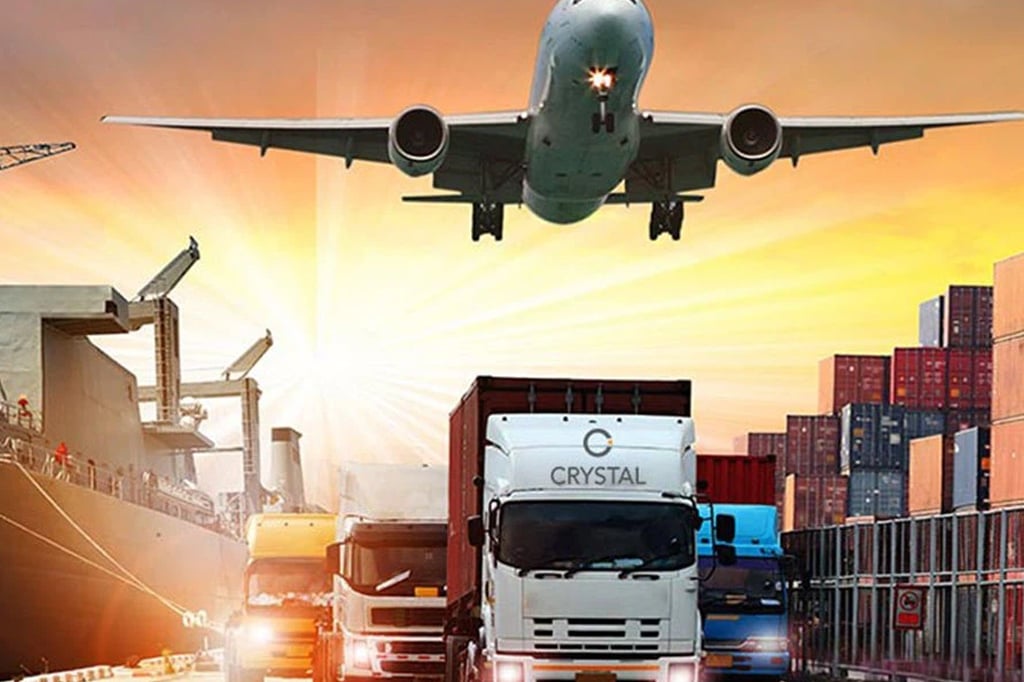
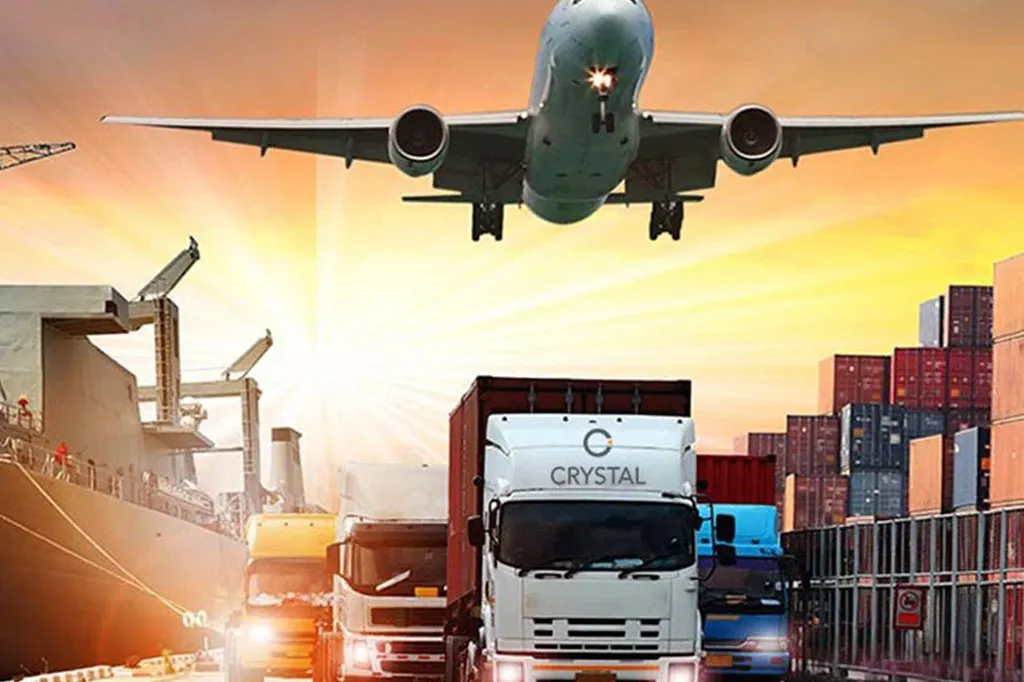
Selecting the right chinese forwarder is one of the most critical decisions in cross-border commerce. Whether you import consumer goods, industrial components, or raw materials from China, the quality of your logistics partner directly impacts your supply chain efficiency, costs, and customer satisfaction. Many importers focus solely on price, but this approach overlooks crucial factors that determine long-term success in international freight forwarding services. A comprehensive comparison across multiple dimensions helps you avoid costly delays, unexpected charges, and customs complications.

Evaluating china shipping logistics providers requires understanding how different service models, regional expertise, and operational capabilities align with your specific import requirements. This guide walks you through the key evaluation criteria that separate reliable international freight forwarding services from those that create supply chain headaches. By the end, you'll know exactly what to assess when comparing options.
Chinese forwarder pricing rarely comes down to a single number. Ocean freight rates, air freight surcharges, fuel costs, port fees, and handling charges all contribute to your total landed cost. Transparent forwarders provide itemized quotes that break down each component clearly. When comparing quotes, request the same service level from multiple providers, as LCL (less than container load), FCL (full container load), and air freight have vastly different economics. Many importers negotiate aggressively on base rates but miss hidden fees that accumulate during customs clearance, document processing, and destination handling.
A china shipping logistics partner offering the lowest rate may cost you far more if they compromise on reliability or customs expertise. Volume discounts, seasonal rates, and service level agreements vary significantly across forwarders. Request quotes for your typical shipment size and frequency rather than hypothetical minimums. Some international freight forwarding services bundle value-added services like inventory management, consolidation, or warehousing that reduce your overall logistics expense. Compare total cost of ownership rather than isolated freight rates, accounting for damage claims, insurance, and potential disruptions.
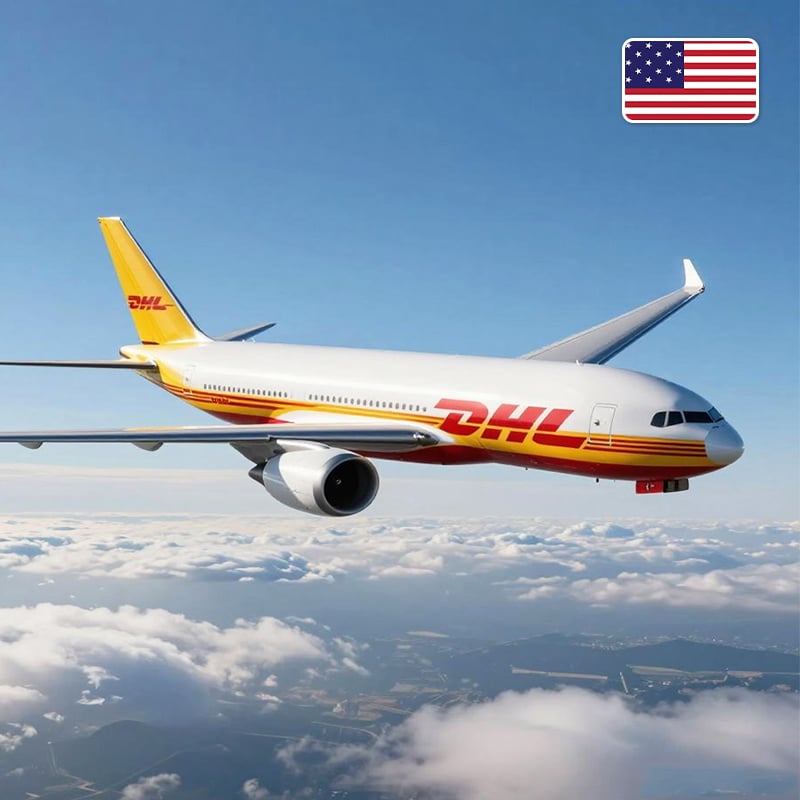
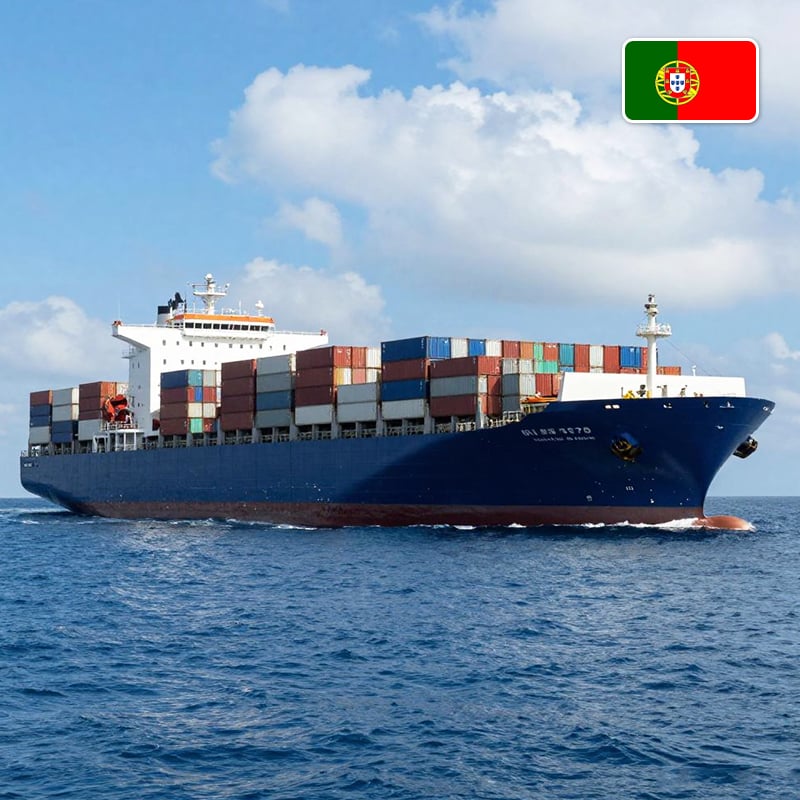
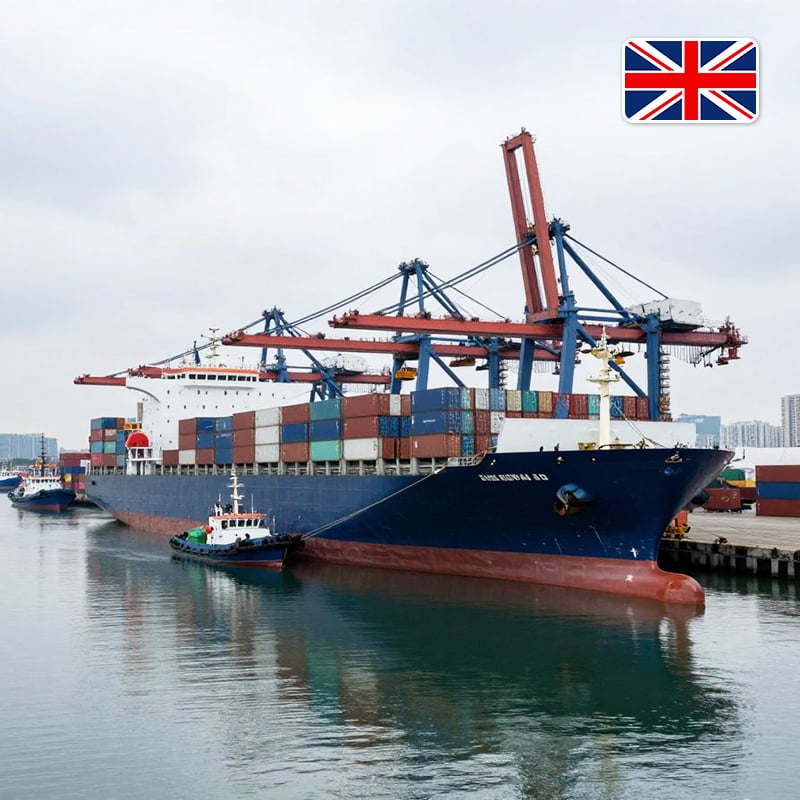
Transit time depends on departure port, destination port, vessel frequency, and seasonal patterns. Leading Chinese forwarders maintain schedules from major ports like Shanghai, Shenzhen, and Ningbo with weekly or twice-weekly sailings to North America, Europe, and other regions. Ocean freight typically requires 15 to 35 days depending on route complexity, while air freight reaches most destinations in 3 to 7 days. International freight forwarding services should provide historical transit data and realistic time windows rather than 'average' estimates that mask variability. Ask about service level commitments, late delivery compensation policies, and backup routing options when primary vessels face delays.
Real-time visibility separates professional forwarders from basic operators. Modern china shipping logistics systems provide automated notifications at every shipment milestone: port departure, vessel arrival, customs processing, and final delivery. Request demo access to tracking platforms before committing to a partnership. Some forwarders offer proactive alerts when delays occur, while others only respond reactively to customer inquiries. Responsive customer service teams should be reachable during your business hours, not just Chinese business hours. This communication clarity becomes critical when customs clearance import export issues arise and quick decisions are needed.
Incorrect tariff classification costs money through overpaid duties or delays from customs audits. Experienced Chinese forwarder teams understand Harmonized System (HS) codes, preferential trade agreements, and rules of origin that affect your landed cost. They work with your compliance team to provide accurate commodity descriptions and documentation packages that clear customs efficiently. International freight forwarding services should help you identify products eligible for tariff reductions through trade agreements like USMCA or GSP. Proactive tariff analysis during quote negotiation prevents surprises at the border.
China shipping logistics complexity extends far beyond ocean bills of lading. Import regulations demand certificates of origin, safety certifications, sanitary permits, and industry-specific compliance documents. Leading forwarders maintain templates for these documents, coordinate with Chinese suppliers on paperwork completeness, and flag missing documentation before shipment departure. Customs clearance import export processes move smoothly when documentation is complete and accurate from the start. Your international freight forwarding services provider should conduct pre-clearance reviews and identify potential red flags before shipment arrives at destination customs. This proactive approach prevents costly holds and penalties.
Verify that your Chinese forwarder holds appropriate licenses including NVOCC (Non-Vessel-Operating Common Carrier) credentials, customs broker licenses, and industry certifications. Request references from importers in your industry who have shipped similar product types and volumes. Long operational history in china shipping logistics and stable management teams indicate lower operational risk. Ask about on-time delivery percentages, damage claims rates, and customer retention statistics. Professional international freight forwarding services readily share this performance data because strong metrics are competitive advantages.
Freight damage happens despite best efforts; what matters is how quickly and fairly it's resolved. Review insurance options, liability limits, and claims procedures before shipping. Some Chinese forwarder partners handle claims directly while others coordinate through third-party insurers, affecting resolution speed. Understand what constitutes 'force majeure' and how disputes get arbitrated. Request sample claims documentation from past customers to assess the process realistically. Your international freight forwarding services contract should specify response times, documentation requirements, and settlement timelines.
Start with transparency and communication responsiveness. A reliable chinese forwarder should provide detailed, itemized quotes, answer technical questions clearly, and explain service options for your specific needs. Verify their credentials, request recent client references, and confirm they have experience with your product category. Lowest price should never be the primary criterion for initial selection because switching forwarders mid-relationship creates disruption and learning curve costs.
Request identical shipment scenarios from multiple china shipping logistics providers, specifying departure port, container type, destination, and timeline. Compare their itemized cost breakdowns, transit time estimates with historical accuracy data, and service level guarantees. Evaluate their handling of customs clearance import export for your specific product type. Regional expertise matters significantly; a forwarder strong in Asia-North America lanes may lack efficiency on European routes. Ask about their port relationships, warehouse capacity, and local partner networks in your destination markets.
Ask how your international freight forwarding services team will handle tariff classification, what documentation they'll prepare, and how they identify duty reduction opportunities. Request examples of customs filings they've completed for products similar to yours. Understand their process for addressing duty assessments, import permits, and regulatory compliance unique to your industry. Ask specifically about their experience with commodity types that face higher scrutiny, such as electronics, textiles, or chemicals. Strong chinese forwarder partners proactively flag compliance risks before they become problems.
 Hot News
2024-11-15
2024-11-11
2024-11-06
2024-10-31
2024-10-28
2024-10-25
GES Oriental Global provides top-tier international freight forwarding services, specializing in Amazon, Walmart, express shipping, air, sea, truck, and China-Europe rail transport.
 EN
EN