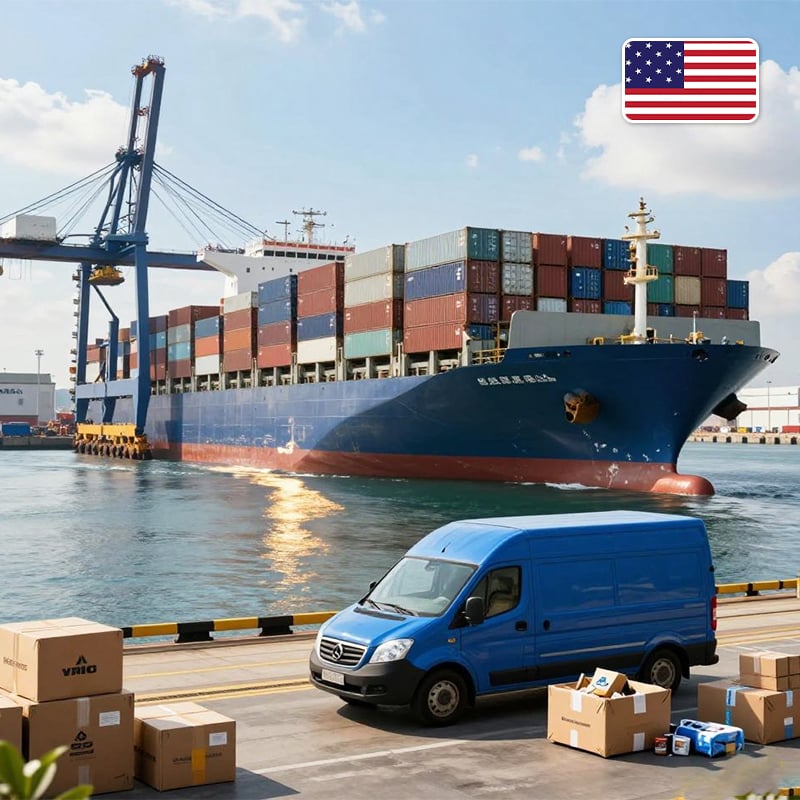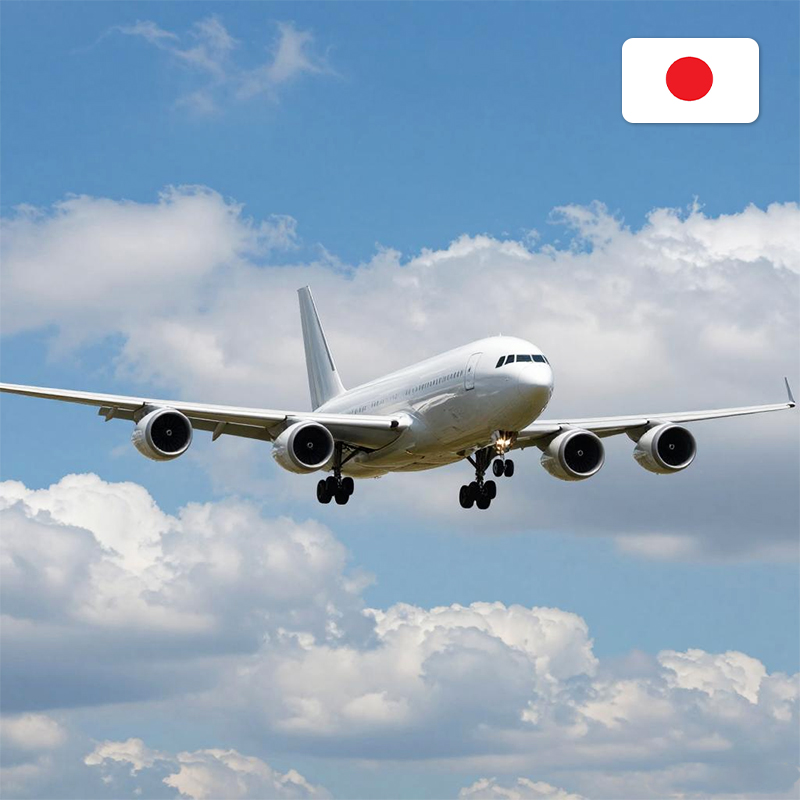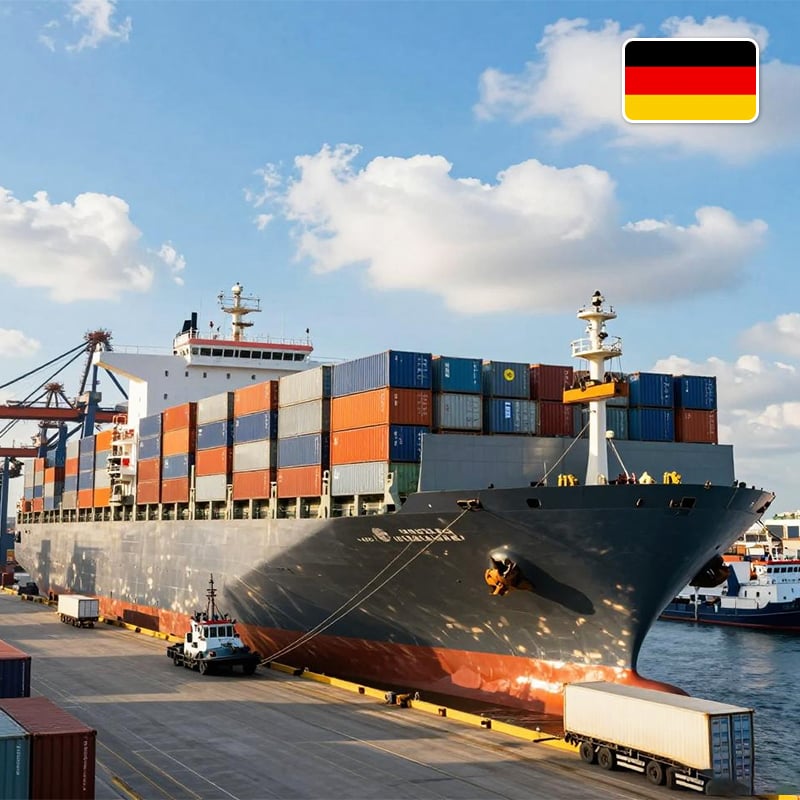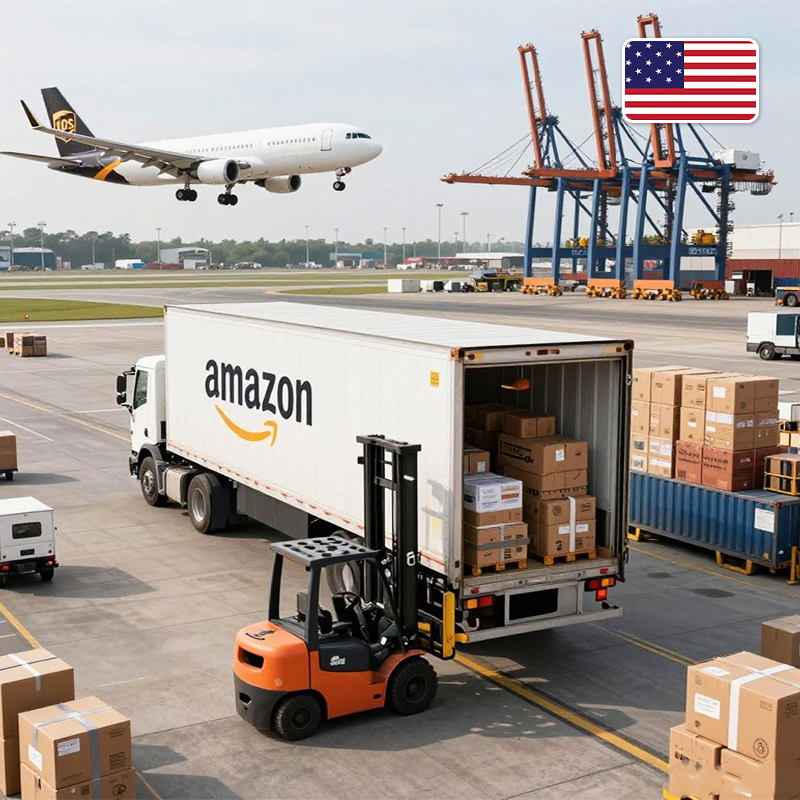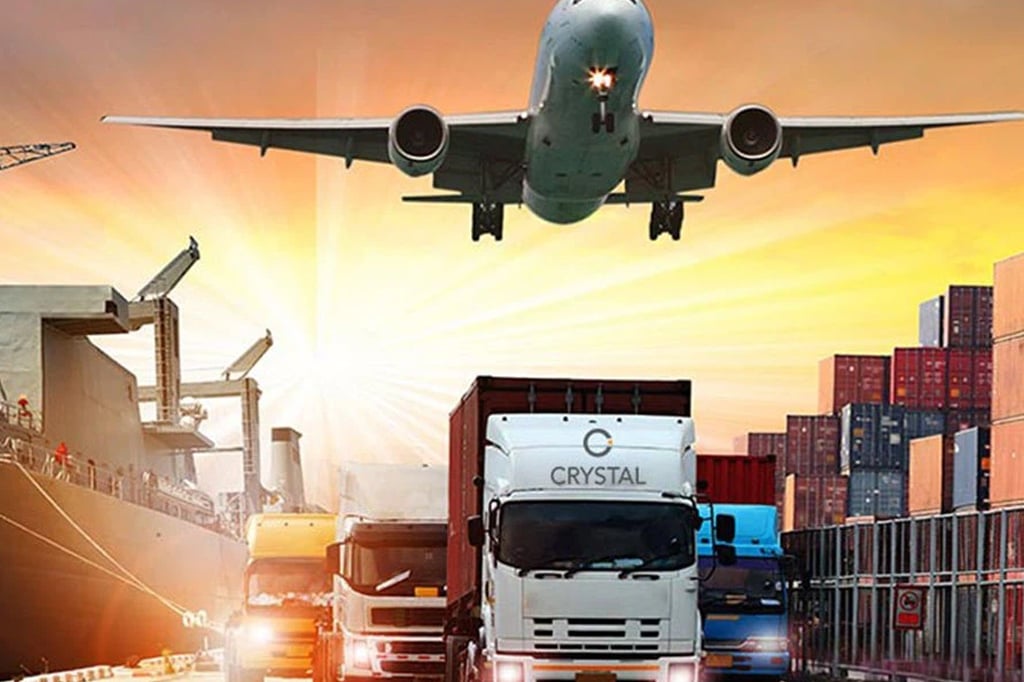
When the clock is ticking, transport mode defines outcome. Air shipping compresses global transit from weeks to hours—a leap sea and ground logistics cannot match. A sea freight journey from Asia to Europe typically takes 30–40 days; air delivers the same cargo in just one to three days. Ground transport, while useful regionally, remains vulnerable to border delays, traffic, and infrastructure bottlenecks. This speed eliminates supply chain uncertainty—especially critical for high-value or perishable goods, where each saved day cuts inventory carrying costs and reduces obsolescence risk. By choosing air, businesses shrink delivery windows and deliver responsiveness no slower mode can replicate.
Industry data affirms air’s performance edge. According to the International Air Transport Association (IATA), global air cargo demand grew 9% year-over-year by early 2024—reflecting sustained post-pandemic demand for time-sensitive logistics. DHL’s 2023 analysis shows international air express shipments average one to two business days on major trade lanes, versus 20–30 days for standard sea freight. That consistency—driven by fixed flight schedules, dedicated cargo handling, and streamlined customs protocols—makes air uniquely reliable for mission-critical shipments like medical devices and electronics. In volatile supply chains, this predictability isn’t just convenient—it’s foundational to operational resilience.
Arriving in hours—not days—reshapes how customers perceive reliability. Fast deliveries signal competence, accountability, and respect for deadlines—building trust that slower modes struggle to earn. In B2B contexts, late shipments erode confidence and accelerate client attrition; timely air deliveries instead reinforce partnership stability and reduce anxiety around stockouts or production halts. Research consistently links on-time delivery performance with higher customer retention. With global air cargo demand rising 10.3% year-on-year in March 2024 (IATA), businesses are increasingly treating speed not as a cost center—but as a measurable loyalty driver. Air shipping transforms velocity into credibility.
In pharmaceuticals, biologics and vaccines require strict temperature control and rapid transit to preserve efficacy. Air freight ensures hospital delivery within hours—not days—reducing spoilage, regulatory exposure, and patient risk. Luxury brands rely on air to safeguard authenticity and integrity: high-end watches, limited-edition apparel, and bespoke accessories arrive securely and on launch date—minimizing counterfeiting and damage risks. In tech, air enables just-in-time movement of semiconductors, prototype hardware, and firmware updates—keeping R&D cycles tight and production lines uninterrupted. Across these sectors, air isn’t merely logistical—it’s strategic infrastructure enabling revenue protection, compliance adherence, and brand equity.
Modern air cargo integrates IoT sensors and cloud-based platforms to deliver real-time tracking across the entire journey—from origin warehouse to final customs clearance. This visibility empowers teams to anticipate disruptions—like weather-related delays or customs holdups—and reroute proactively. Automated exception protocols—such as switching carriers mid-transit for time-critical pharmaceutical consignments—prevent costly standstills. Industry estimates place the average cost of an operational halt in high-value manufacturing at $740,000 per incident. Fewer touchpoints also mean fewer loss points: luxury goods shipped via dedicated air chains experience 60% fewer handling stages than multimodal alternatives, directly improving asset security and traceability.
Air shipping offers unmatched scalability during demand surges. Businesses deploy charter flights, regional airline partnerships, or ad-hoc cargo holds to flex capacity without long-term infrastructure commitments. Fashion retailers use this agility to replenish bestsellers within 48 hours of a global launch; electronics manufacturers mitigate component shortages by inserting air-freighted parts mid-cycle. The resulting speed-to-shelf advantage slashes inventory carrying costs by up to 35% for perishables and seasonal goods compared to sea transport—per global logistics benchmarking studies on modal shift economics. Charter terminals further support urgent humanitarian deployments or clinical trial material distribution—delivering scalable, infrastructure-light responsiveness where it matters most.
Why is air shipping suitable for time-sensitive shipments?
Air shipping compresses global transit from weeks to hours, offering unmatched speed for time-sensitive shipments, which is ideal for high-value or perishable goods.
How does air shipping enhance customer satisfaction?
Fast deliveries via air shipping signal competence and reliability, building trust and loyalty with customers through timely service.
Which industries benefit from air shipping?
Industries such as pharmaceuticals, luxury goods, and technology greatly benefit, as air shipping provides strategic infrastructure for timely and secure deliveries.
What operational enhancements does air shipping provide?
Air shipping offers end-to-end visibility, proactive exception management, and scalable solutions for demand spikes, improving operational efficiency and flexibility.
 Hot News
2024-11-15
2024-11-11
2024-11-06
2024-10-31
2024-10-28
2024-10-25
GES Oriental Global provides top-tier international freight forwarding services, specializing in Amazon, Walmart, express shipping, air, sea, truck, and China-Europe rail transport.
 EN
EN