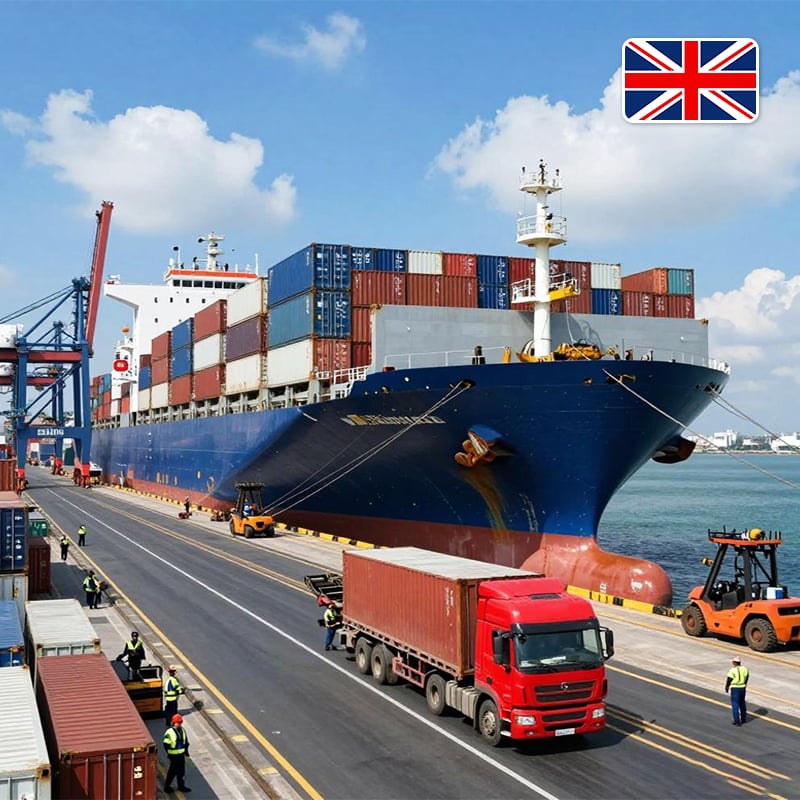
Import duties and tariffs represent a significant cost component when shipping to USA from China. The U.S. Customs and Border Protection (CBP) assesses these fees based on the product’s Harmonized Tariff Schedule (HTS) code, declared value, and country of origin. Two critical factors that importers must master are the Section 301 tariffs applied to Chinese goods and the correct classification and valuation method—errors in either area can substantially increase landed costs or trigger penalties.
Section 301 tariffs, imposed under the Trade Act of 1974, target specific Chinese-origin goods at rates ranging from 7.5% to 25%, depending on the product category. These tariffs apply in addition to the standard HTS duty rate, directly inflating total landed cost. For example, a product with a 5% base duty and a 25% Section 301 tariff faces an effective 30% duty on its customs value. Because these tariffs are subject to periodic review—and exclusions may be granted—importers must monitor current lists via the U.S. Trade Representative’s official Section 301 page and consider mitigation strategies such as tariff engineering or diversified sourcing. Failure to apply the correct rate risks underpayment, CBP audits, and subsequent penalties plus interest.
Accurate HTS classification is essential for determining the applicable duty rate and any additional tariffs. Misclassification—due to vague product descriptions or misinterpretation of HTS rules—can lead to higher duties, clearance delays, or even seizure. Equally critical is the declared customs value, which forms the basis for duty calculation. Under U.S. law, the transaction value method is the primary and preferred valuation approach. It reflects the actual price paid or payable for the goods, including commissions, packing, royalties, and other statutorily required additions. While FOB and CIF are common Incoterm references, CBP requires the transaction value, not a generic Incoterm-based figure: if the sale is FOB, freight and insurance are excluded; if CIF, those costs are included in the dutiable value. Consistent use of the agreed-upon transaction value—and full documentation of all components—is mandatory. Under-declaring value to reduce duties invites severe penalties and undermines long-term trade credibility.
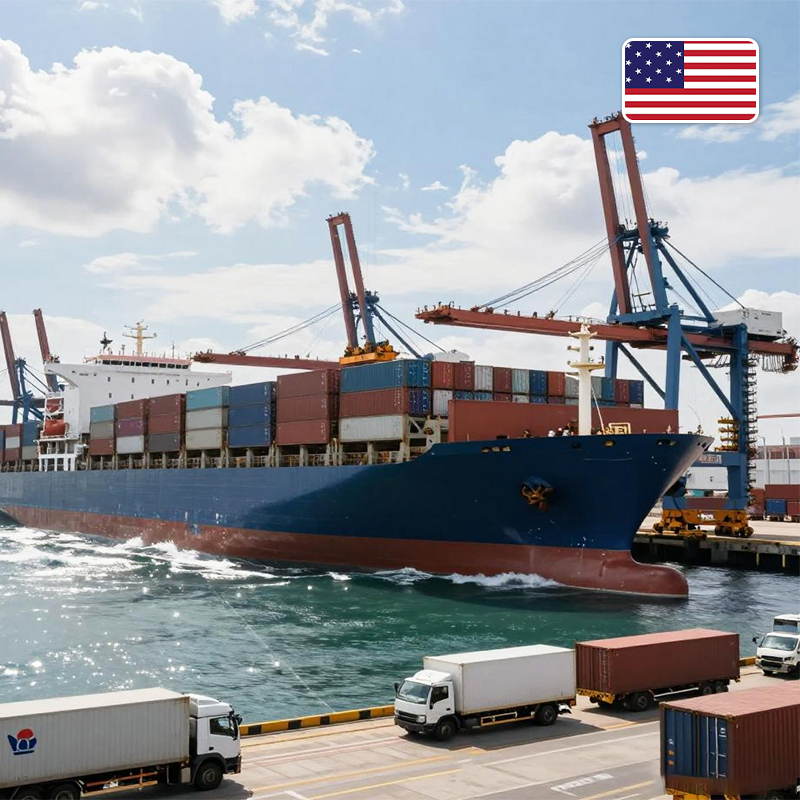
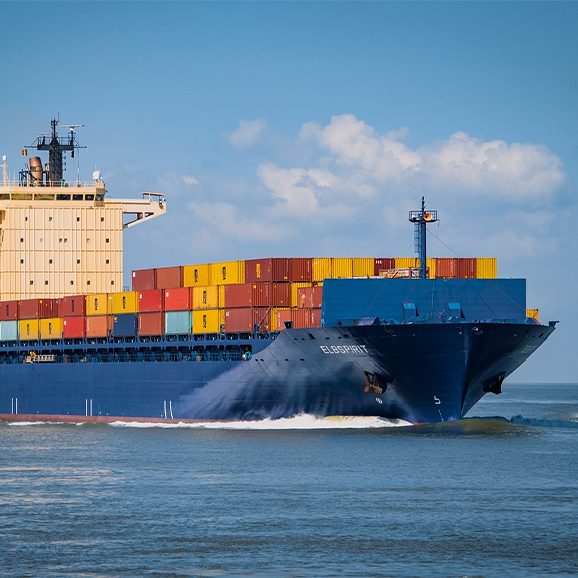
When shipping to USA via ocean, the Importer Security Filing (ISF) must be submitted at least 24 hours before vessel departure. This filing identifies the cargo, its origin, and destination, enabling CBP to screen for high-risk shipments. Upon arrival, the Entry Summary (CBP Form 7501) provides a complete declaration of goods, value, HTS classification, and duty liability. A customs bond—either single-entry or continuous—is legally required to guarantee payment of duties, penalties, or fees. Accuracy of the HTS code is non-negotiable: misclassification can result in overpayment, audits, or enforcement action.
The declared transaction value on the commercial invoice must reflect the actual price paid or payable for the goods. CBP uses this figure to compute duties and enforce trade laws. Willful under-declaration can incur penalties up to the lesser of the domestic value of the merchandise or 80% of the revenue loss. Even non-willful errors may trigger fines up to 20% of the underpaid duty—or mitigation requests requiring robust documentation. Given the financial and reputational stakes, accurate, transparent, and well-supported valuation is foundational to compliant and predictable shipping to USA.
Accurate landed cost calculations prevent budget overruns and protect profit margins when importing from China.
Importers must account for several mandatory U.S. Customs fees:
These fees apply regardless of Incoterms:
| Fee Type | Typical Cost Range | When Applicable |
|---|---|---|
| MPF | $2.67–$575 per entry | All formal entries |
| HMF | ≈0.125% of cargo value | Ocean shipments only |
| Customs Brokerage | $120–$450 per shipment | Mandatory for clearance |
| Bond (Single Entry) | ≥$90 or 3% of duties/taxes | Shipments >$2,500 |
Collectively, these add 1–5% to total landed cost—often overlooked in initial quoting.
Freight method selection should align with cost sensitivity, timeline requirements, and risk tolerance:
| Method | Cost per kg | Transit Time | Best For | Risk Allocation |
|---|---|---|---|---|
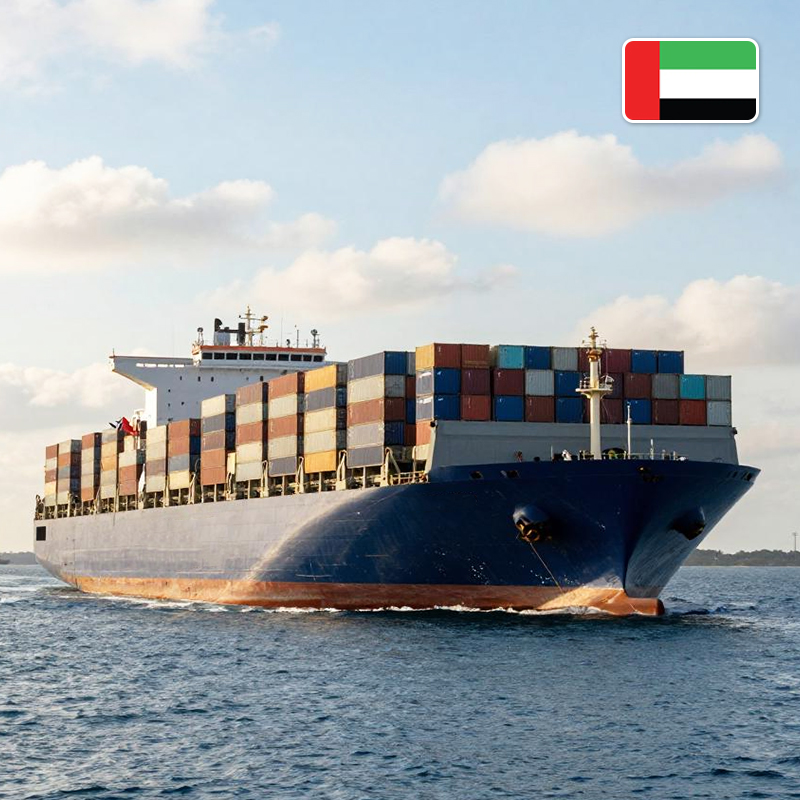
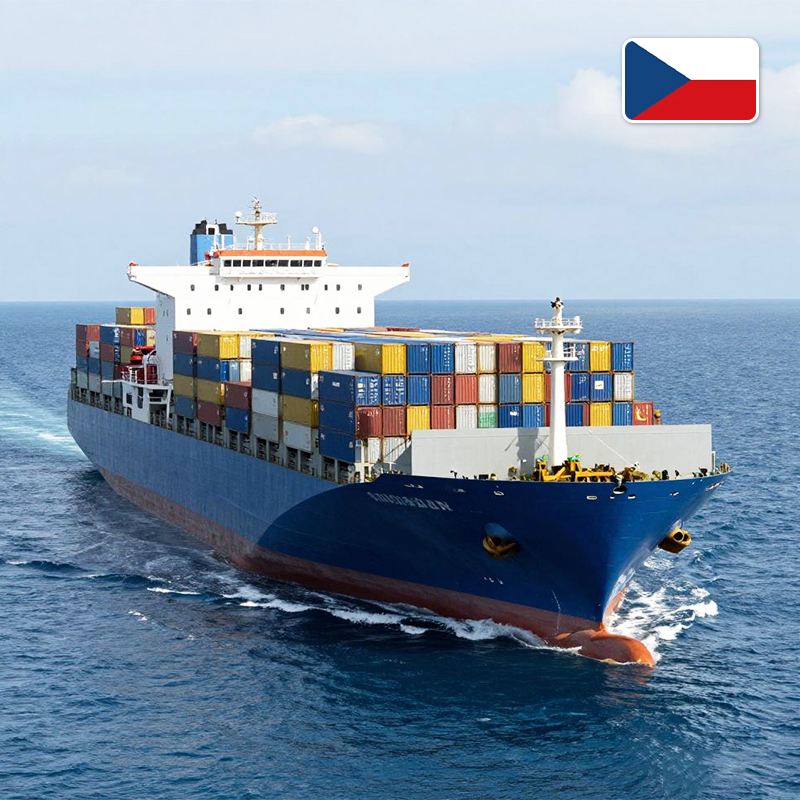
| Ocean Freight | $1–$3 | 20–35 days | Bulk shipments >1,000 kg | Buyer after FOB port |
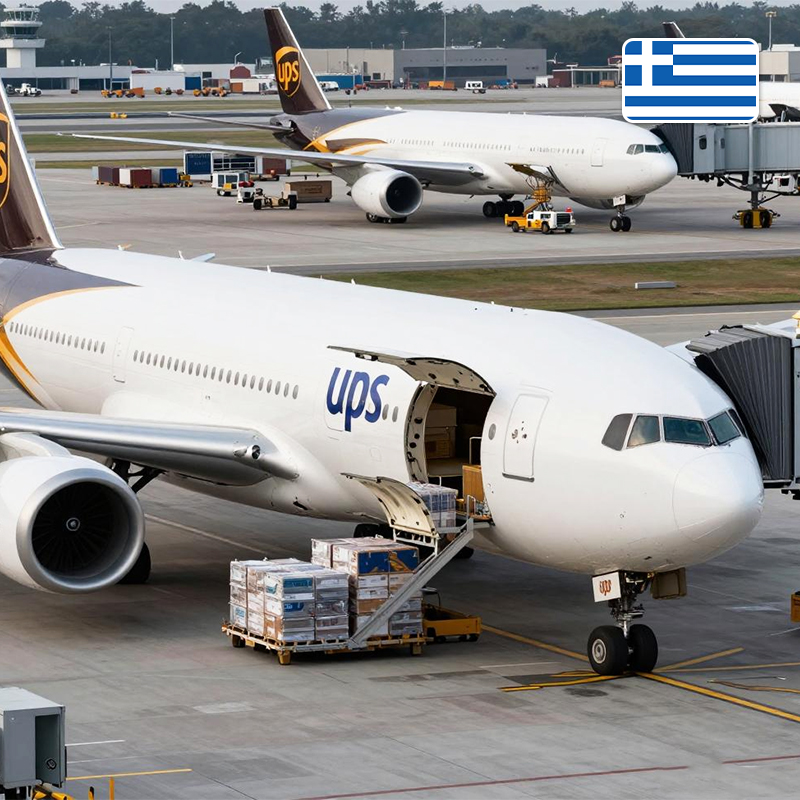
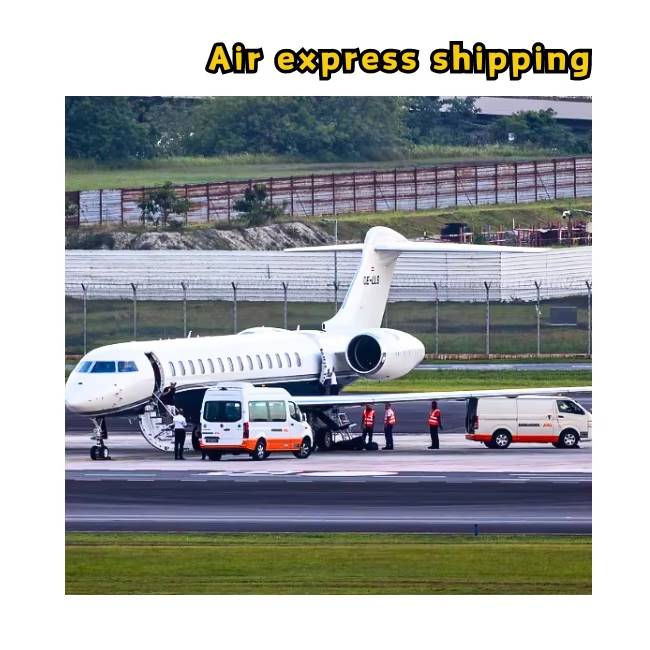
| Air Freight | $4–$8 | 3–7 days | Urgent, high-value goods | Seller until airport |
| Express DDP | $5–$15 | 2–5 days | Small parcels with door delivery | Seller until delivery |
Choosing EXW or CIF shifts document responsibilities and reduces buyer liability during transit—but also demands greater coordination with suppliers. DDP terms, while convenient, often concentrate operational and compliance risk with the seller, potentially masking hidden costs or delays.
Effective shipping to USA requires strategic planning beyond carrier or port selection. Prioritize partners with demonstrable expertise in HTS classification accuracy and transaction value compliance—particularly regarding Section 301 tariff applicability—to avoid costly penalties and audit exposure. Validate their track record managing complex filings like ISF and Entry Summaries, and confirm they maintain adequate bonding capacity. Rigorously assess how Incoterms allocate risk and responsibility: DDP may simplify logistics but increases supplier dependency and obscures true landed cost visibility. For long-term optimization, benchmark broker fee structures and evaluate partners’ flexibility across air and ocean modes—especially during supply chain disruptions. Proactive providers anticipate regulatory changes, maintain auditable documentation trails, and integrate compliance into operational workflows—minimizing customs hold times, unexpected duty assessments, and clearance delays.
The key factors include the product's Harmonized Tariff Schedule (HTS) code, declared value, and country of origin, with particular attention to Section 301 tariffs on Chinese goods.
Section 301 tariffs apply to specific Chinese-origin goods, ranging from 7.5% to 25%, and are added to standard HTS duty rates, significantly increasing landed costs.
Correct HTS classification determines duty rates and additional tariffs. Misclassification can lead to higher duties, delays, or even seizure of goods.
Importers should account for the Merchandise Processing Fee (MPF), Harbor Maintenance Fee (HMF), customs broker fees, and bond costs, which collectively add 1-5% to total landed costs.
Freight methods such as ocean, air, and Express DDP have varying cost structures and transit times, affecting both costs and risk allocation during shipping.
 Hot News
2024-11-15
2024-11-11
2024-11-06
2024-10-31
2024-10-28
2024-10-25
GES Oriental Global provides top-tier international freight forwarding services, specializing in Amazon, Walmart, express shipping, air, sea, truck, and China-Europe rail transport.


 EN
EN