A single documentation error can halt a container for days. Research indicates that 62% of cargo delays in the United States directly result from customs documentation mistakes (U.S. Customs and Border Protection, 2023). The most common pitfalls include mismatched product descriptions between the commercial invoice and the bill of lading, incorrect declared values, or missing mandatory entry data—such as importer of record (IOR) information or country-of-origin markings. To minimize this risk, implement a pre-shipment document checklist that cross-references all fields across your key documents. Accurate, comprehensive paperwork is the foundation of reliable shipping to the USA—and prevents costly disruptions before they occur.
Understanding the Harmonized Tariff Schedule (HTS) is essential: misclassification can lead to overpayment of duties—or trigger a customs audit. For many e-commerce shippers, the Section 321 de minimis rule offers a powerful simplification. Shipments valued at $800 or less per consignee per day enter the U.S. duty-free and with expedited clearance, bypassing formal entry requirements. This threshold is especially valuable for direct-to-consumer parcels. Verify your product’s HTS code using the official U.S. International Trade Commission (USITC) HTS database, and consider strategically segmenting lower-value shipments to leverage this benefit—reducing both complexity and landed cost.
For higher-volume or frequent shippers, pre-qualified status delivers measurable operational advantages. The Customs-Trade Partnership Against Terrorism (C-TPAT) program—and its land-border counterpart, the Free and Secure Trade (FAST) program—grants certified members priority processing, fewer physical inspections, and up to 40% faster clearance times. Certification requires documented supply chain security practices and third-party validation, signaling to U.S. Customs and Border Protection (CBP) that your operations meet rigorous compliance standards. While the application process takes several months, the long-term gains in predictability, reduced dwell time, and audit resilience make it a strategic investment for scalable cross-border growth.
Nearly 40% of cross-border sellers underestimate total landed cost by more than 22%, according to a 2023 CBP-compliance benchmark study. This gap stems from overlooking four essential expense categories: (1) base freight (ocean/air + last-mile delivery), (2) import duties (determined by HTS code and value), (3) insurance (scaled to shipment value and risk profile), and (4) operational fees—including customs brokerage, warehousing, and handling. Unanticipated charges—like Section 301 tariffs, FDA user fees, or ISF penalties—can spike per-unit costs by 30% or more. Building landed cost models that incorporate real-time duty rates, carrier surcharges, and regulatory fees ensures pricing accuracy and protects margins across global supply chains.
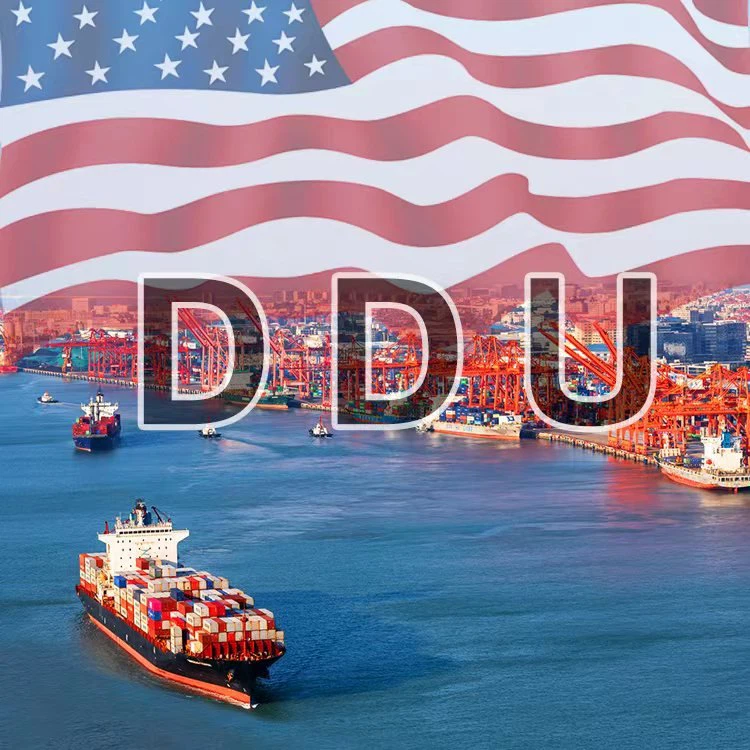
Delivery terms define who bears responsibility for duties, taxes, and customs clearance—and directly shape the customer experience. Delivered Duty Paid (DDP) shifts all import obligations to the seller, embedding final costs into the checkout price. This transparency eliminates surprise fees at delivery and reduces cart abandonment by 19 percentage points, per Shopify’s 2023 Cross-Border Benchmark Report. In contrast, Delivered Duty Unpaid (DDU) leaves payment to the buyer upon arrival—often triggering frustration, disputes, and delayed deliveries. DDP also cuts post-purchase support inquiries by 40%, as customers receive predictable, all-inclusive pricing upfront. For brands prioritizing trust and conversion, DDP isn’t just compliant—it’s competitive.
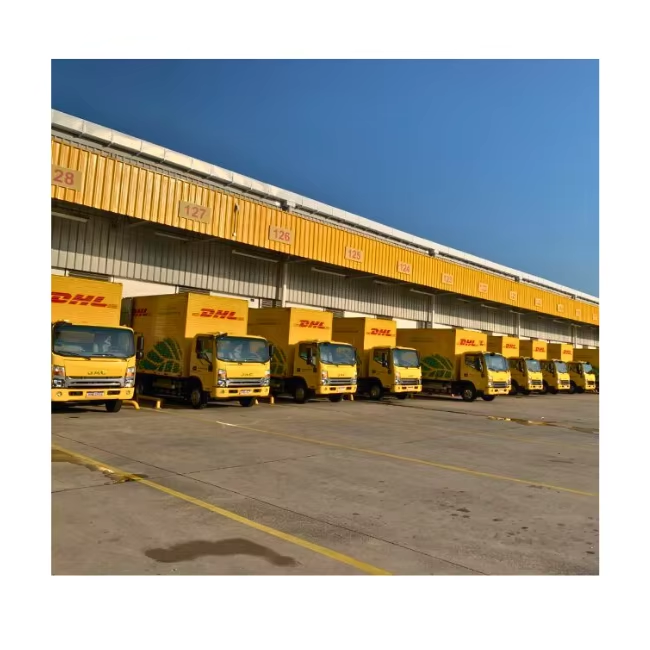
Carrier selection should align with parcel characteristics—not just brand recognition. USPS excels for lightweight parcels under 2 lbs, offering broad residential reach, low base rates, and seamless integration with U.S. domestic networks. DHL Express leads in international express lanes, delivering strong end-to-end visibility and embedded customs expertise—ideal for time-sensitive shipments weighing 2–30 lbs. FedEx provides consistent mid-to-heavy parcel performance (5–70 lbs), particularly where guaranteed delivery windows, Saturday service, or high-volume account management matter. Match each shipment’s weight, dimensions, destination ZIP code, and service-level requirements to these core strengths. Pilot each carrier on a representative batch before locking in volume discounts—real-world performance often differs from published SLAs.
Industry leaders agree that scaling cross-border shipping becomes unmanageable without automation. Modern shipping platforms eliminate manual data entry errors by auto-populating customs forms, validating HTS codes against live USITC databases, and generating CBP-compliant documentation in seconds. Built on machine learning, these tools dynamically compare carrier rates across hundreds of service options, optimize routing based on transit time and cost trade-offs, and flag potential compliance risks—like missing ISF filings or undervalued invoices—before submission. Organizations using integrated automation report over 30% higher order accuracy and up to 40% reduction in labor spent on manual processing (McKinsey Logistics Automation Survey, 2023). Real-time tracking feeds—not just estimated delivery dates—enable proactive intervention during weather disruptions, port congestion, or customs holds. For businesses shipping regularly to the USA, this combination transforms logistics from a cost center into a strategic lever: improving delivery consistency, controlling freight spend, and freeing teams to focus on customer experience—not firefighting preventable errors.
Why do customs errors cause such significant shipping delays?
Customs errors, like incorrect documentation or mismatched product descriptions, can lead to lengthy inspections by customs officials, halting shipments for days.
What is the $800 de minimis threshold, and how can it benefit my shipping process?
The $800 de minimis threshold allows shipments valued at $800 or less per day to enter the U.S. duty-free, simplifying customs processes and reducing costs.
What are the benefits of C-TPAT/FAST certification?
C-TPAT/FAST certification offers priority processing, reduced physical inspections, and up to 40% faster clearance times for certified shippers.
How can I calculate the total landed cost accurately?
Include expenses like base freight, import duties, insurance, and operational fees, while accounting for potential tariffs, regulatory fees, and surcharges for precise pricing.
Why is DDP preferred over DDU for cross-border shipping?
DDP eliminates surprise fees for buyers, reducing cart abandonment and post-purchase support inquiries, offering a seamless shopping experience.
What factors should I consider when choosing a carrier?
Consider parcel weight, dimensions, delivery speed requirements, and cost efficiency to select the best carrier for your shipping needs.
 Hot News
2024-11-15
2024-11-11
2024-11-06
2024-10-31
2024-10-28
2024-10-25
GES Oriental Global provides top-tier international freight forwarding services, specializing in Amazon, Walmart, express shipping, air, sea, truck, and China-Europe rail transport.


 EN
EN