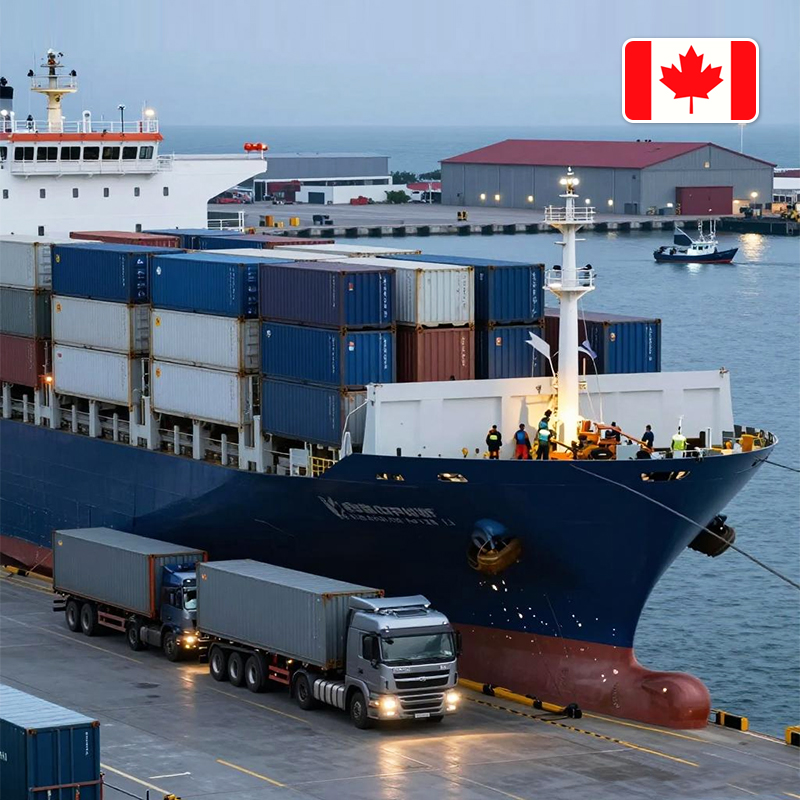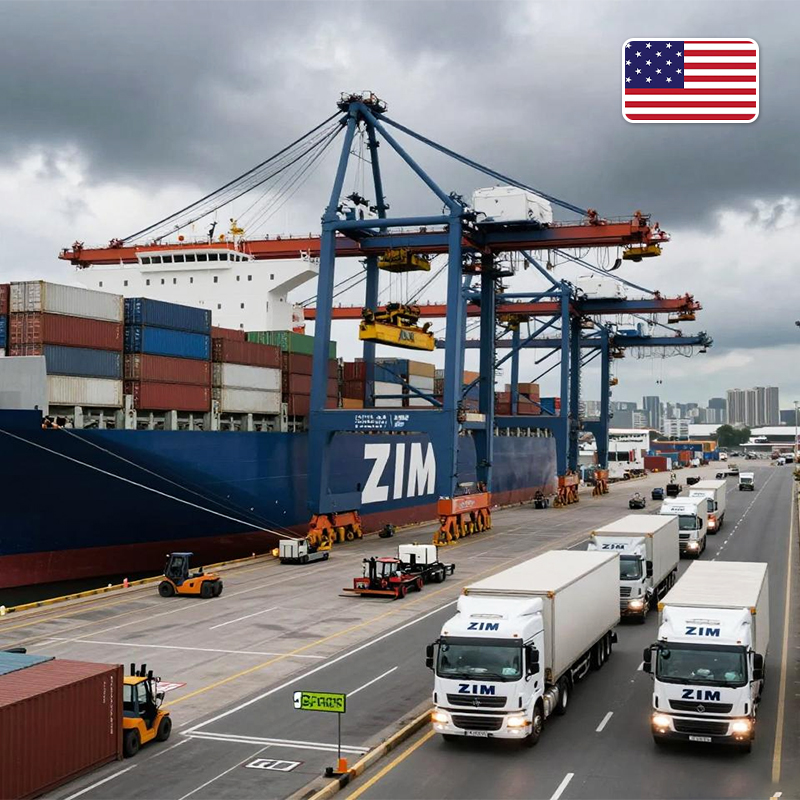
The United States remains the world’s most attractive consumer market—driving global demand with a GDP exceeding $27 trillion and household spending that consistently outpaces other economies. Over 200 million adults shop online regularly, and an increasing share actively purchase from international sellers. This cross-border readiness means reliable shipping to USA opens a direct channel to high-spending, digitally fluent buyers who prioritize speed, transparency, and service consistency.
American consumers expect overseas orders to arrive within five to seven days—and are willing to pay moderate premiums for fast, fully traceable delivery. For brands, this creates a clear opportunity: enter a market where per-capita e-commerce spend is nearly three times the global average. Combined with one of the world’s most mature logistics infrastructures—including widespread carrier coverage, advanced warehousing ecosystems, and robust last-mile networks—the U.S. represents the most accessible and scalable launchpad for global expansion.
Small and medium-sized enterprises (SMEs) often delay international growth due to perceived complexity: unpredictable customs clearance, opaque pricing, fragmented tracking, and extended transit times. Dependable shipping to USA dismantles these barriers by delivering predictable costs, real-time end-to-end visibility, and automated compliance support—including pre-validated documentation and duty estimation tools.
When an SME can offer U.S. shoppers the same seamless experience as domestic sellers—same-day dispatch confirmation, live parcel tracking, and transparent landed cost breakdowns—the barrier to entry drops significantly. Integrated logistics providers consolidate shipments, manage regulatory filings, and coordinate last-mile delivery through vetted regional carriers—freeing businesses to focus on product development, marketing, and customer engagement rather than freight logistics.
Faster, more reliable transit also reduces inventory risk: shorter lead times enable leaner initial stock commitments and quicker response to demand signals. As a result, even resource-constrained brands can validate their offering in the world’s largest consumer market without overextending capital or supply chain capacity.
Launching first in the U.S. via targeted shipping to USA is a proven path to rapid brand validation and revenue capture. With per-capita disposable income at $47,200 (U.S. Bureau of Economic Analysis, 2023), American consumers provide immediate feedback on pricing, positioning, and product-market fit at scale. Unlike simultaneous multi-market launches—which require localized packaging, language adaptation, and jurisdiction-specific compliance—U.S.-first entry minimizes upfront localization overhead while maximizing learning velocity.
International sellers report 43% faster revenue growth when concentrating initial efforts on the U.S., according to Commerce Department analysis (2024). Digital platforms further accelerate iteration: real-time analytics, unified review collection, and responsive ad targeting allow brands to refine messaging and optimize conversion within weeks—not months. Crucially, early success in the U.S. builds credibility that attracts investors, retail partners, and talent—creating momentum that accelerates subsequent global expansion.
Choosing between U.S.-first and concurrent market entry hinges on strategic priorities—not just operational capability. A focused U.S. launch enables deep logistics optimization: standardized shipping to USA workflows reduce carrier onboarding time by up to 60%, streamline customs documentation, and unlock volume-based carrier discounts faster. It also accelerates manufacturing efficiencies—consolidated demand supports better forecasting, lower minimum order quantities, and improved margin leverage.
That said, simultaneous expansion offers geographic diversification—mitigating exposure to U.S.-specific risks like tariff policy shifts or regulatory changes. However, businesses pursuing multi-market entry typically spend 68% more on compliance operations during Year 1, according to McKinsey & Company’s 2023 Global Trade Readiness Report. In contrast, the U.S.-first approach provides a controlled environment to master export documentation, harmonized tariff classification, and broker coordination—establishing repeatable frameworks that cut future market-entry costs by 35–50% for SMEs.

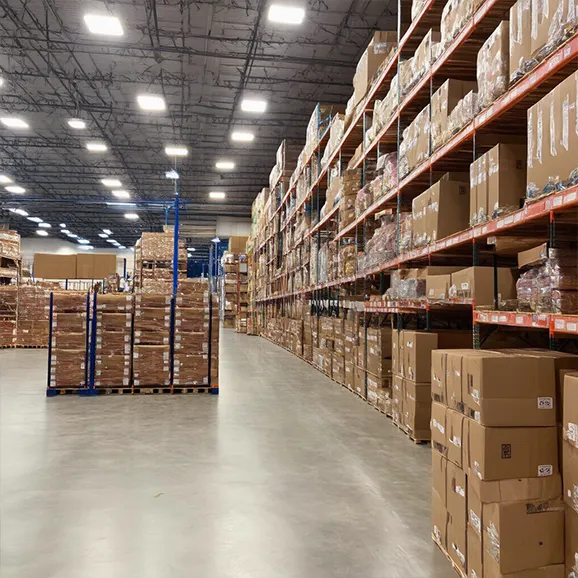
Integrated logistics providers serve as force multipliers for brands scaling shipping to USA. They combine domain expertise in U.S. import regulations—including FDA, FCC, and CPSC requirements—with technology-driven execution: intelligent consolidation (e.g., grouping small parcels into palletized LCL or full-container loads), dynamic carrier selection based on service level, cost, and customs performance history, and API-connected documentation management.
Their infrastructure spans key U.S. gateways—from Los Angeles and New York/New Jersey ports to inland distribution hubs in Dallas and Chicago—reducing handoff points and minimizing delays. Equally critical are their embedded relationships with licensed U.S. customs brokers who handle entry filings, duty payments, and post-entry audits electronically—eliminating manual errors and clearance bottlenecks.
This end-to-end orchestration transforms what was once a fragmented, high-risk process into a repeatable, scalable capability—one that grows seamlessly alongside sales volume, supports peak-season surges, and adapts to evolving U.S. trade policy—without requiring internal logistics hires or infrastructure investment.
SMEs often encounter challenges such as unpredictable customs clearance, opaque pricing, fragmented tracking, and extended transit times.
Reliable shipping provides predictable costs, real-time visibility, and automated compliance support, helping SMEs offer a seamless experience similar to domestic sellers.
The U.S. offers a massive consumer base with high spending power, mature logistics infrastructure, and a scalable launchpad for global expansion.
Launching in the U.S. allows for rapid brand validation, reduced localization costs, faster revenue growth, and establishes credibility for further expansion.
They offer domain expertise, regulatory compliance, dynamic carrier selection, efficient consolidation, and infrastructure to streamline the shipping process.
 Hot News
2024-11-15
2024-11-11
2024-11-06
2024-10-31
2024-10-28
2024-10-25
GES Oriental Global provides top-tier international freight forwarding services, specializing in Amazon, Walmart, express shipping, air, sea, truck, and China-Europe rail transport.



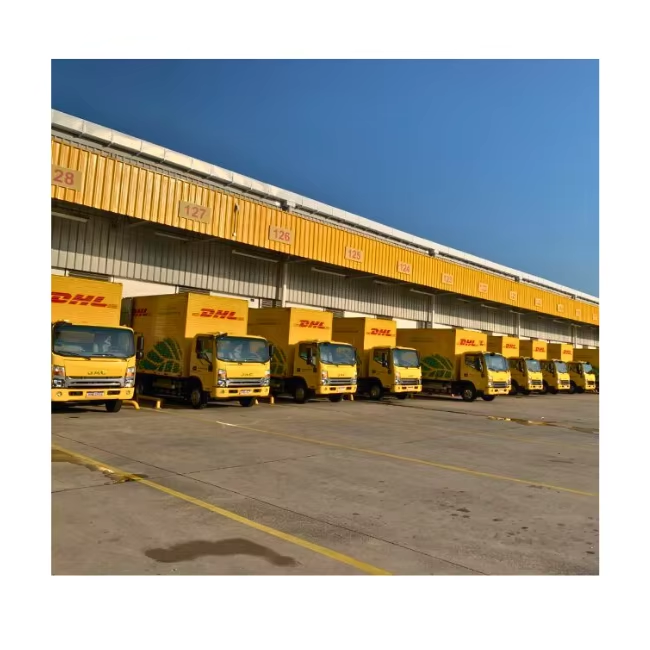

 EN
EN