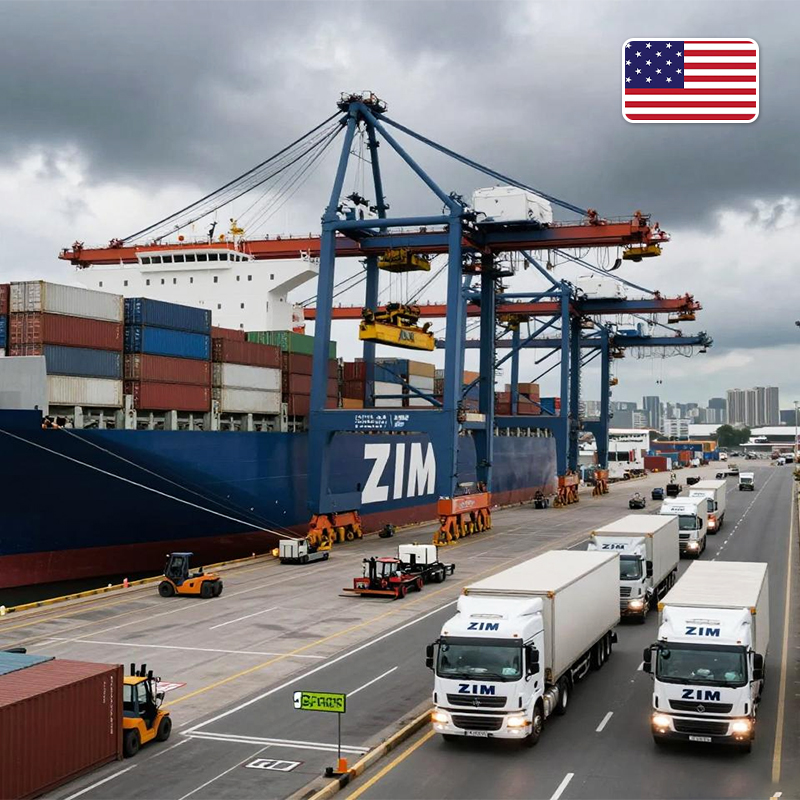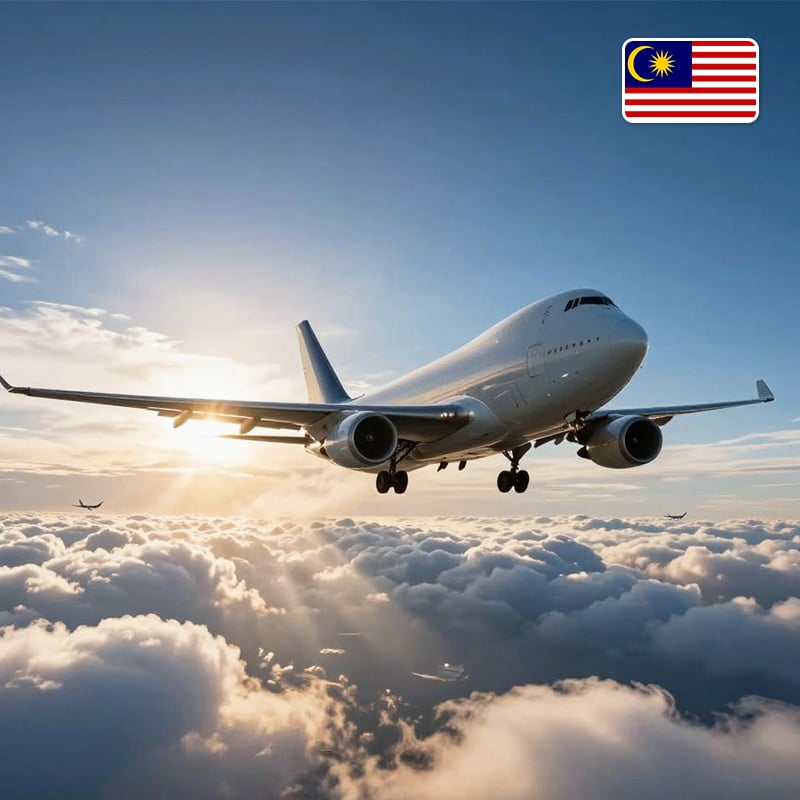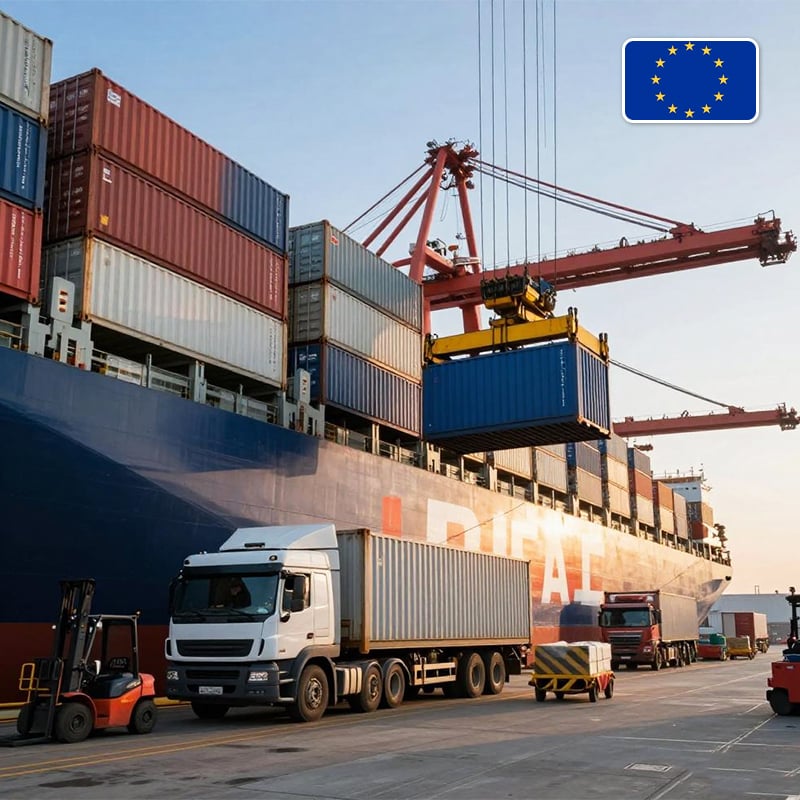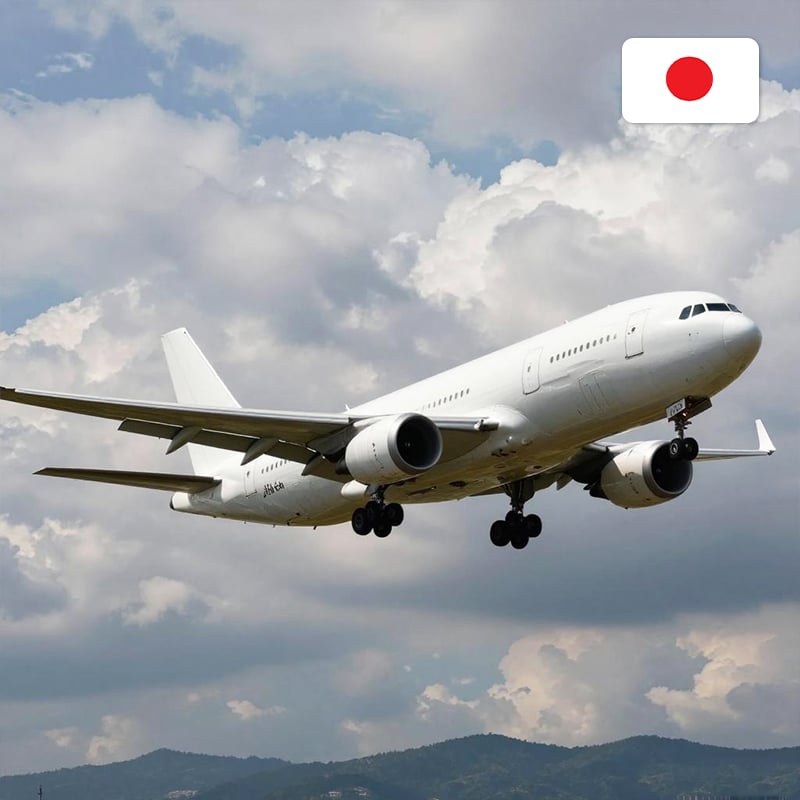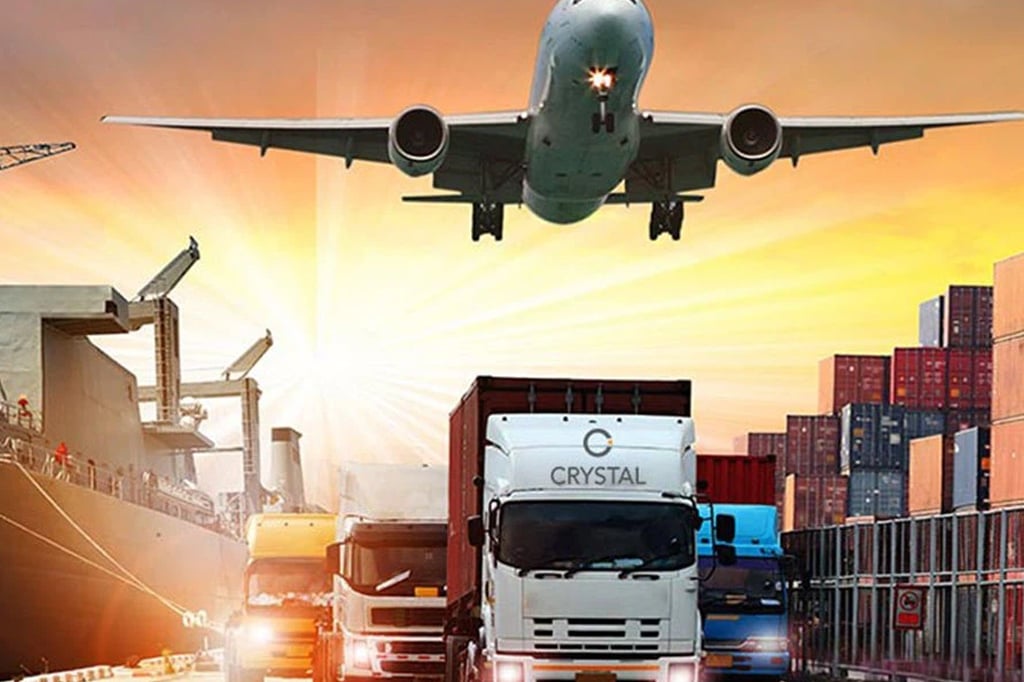
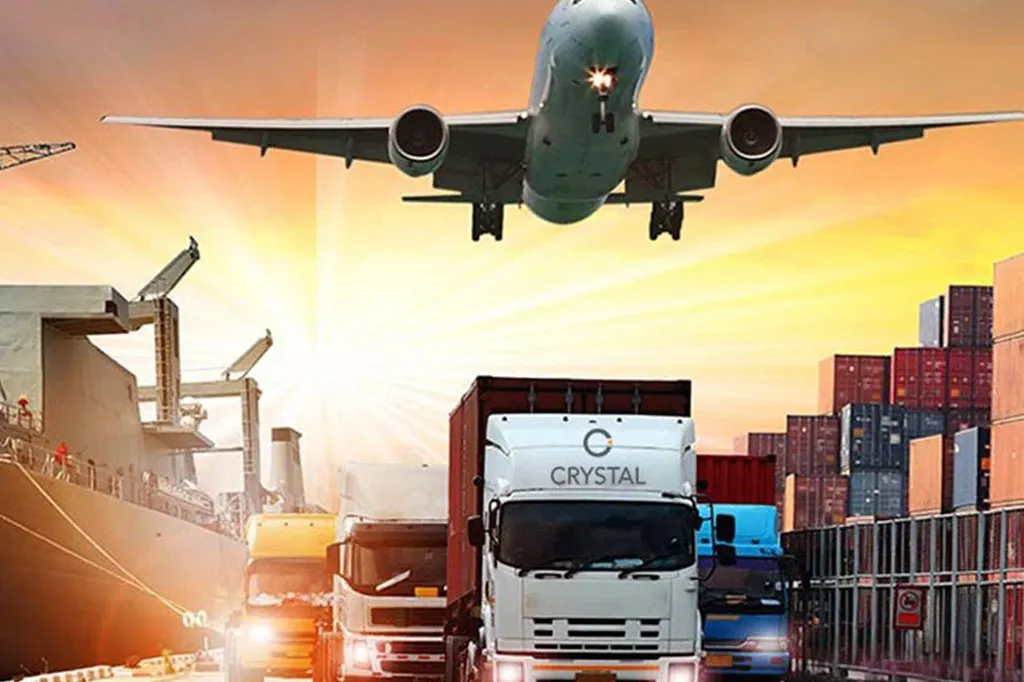
Air shipping delivers a decisive speed advantage no other mode can match. While ocean freight takes weeks to cross continents, air cargo moves goods across the globe in days—or even hours. This makes it the default choice for businesses where time is non-negotiable.
Transit times by air are 70–90% shorter than ocean equivalents. A shipment from Asia to Europe that spends 30–40 days at sea arrives in under 72 hours by air. Unlike ocean transport—constrained by fixed port schedules, canal congestion, weather delays, and multi-leg transshipments—air freight bypasses intermediate bottlenecks and customs variability. That compression transforms supply chain responsiveness: product launches accelerate, restocks align precisely with demand surges, and cash-to-cash cycles shorten meaningfully. The advantage is most consequential on intercontinental lanes, where predictability and speed compound strategic value.
For perishables—fresh produce, cut flowers, premium seafood—air shipping preserves shelf life and market readiness, unlocking access to distant, high-value markets otherwise unreachable by sea. Emergency medical shipments—including transplant organs, temperature-sensitive vaccines, and life-critical devices—depend on air freight’s reliability to meet narrow therapeutic or viability windows. In seasonal retail, air cargo ensures holiday merchandise, fashion drops, and promotional kits arrive before peak demand—not after. Without this speed layer, these sectors would face avoidable revenue loss, reputational risk, and operational fragility.
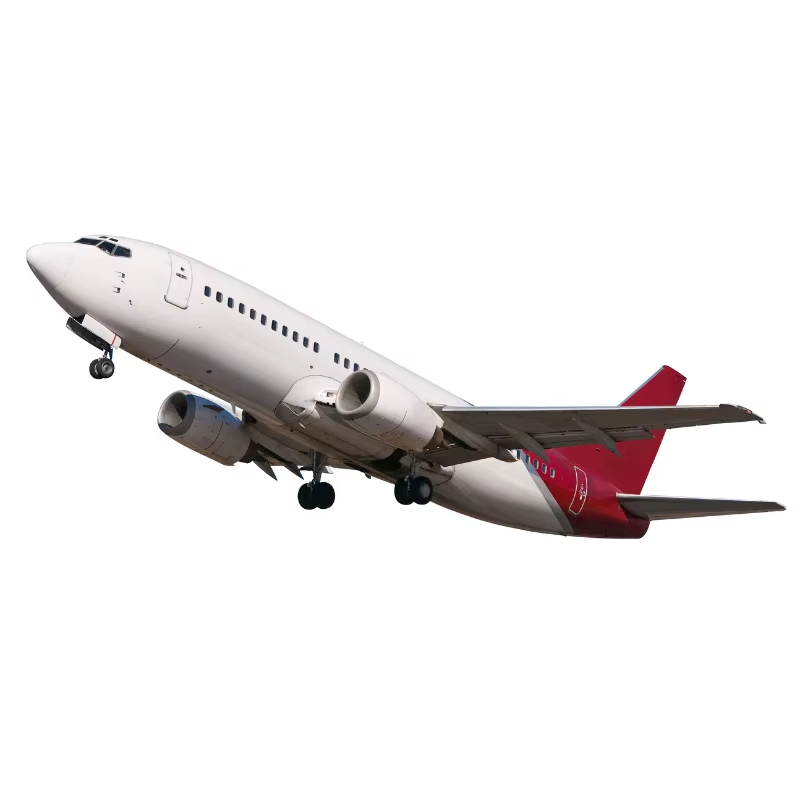
High-value cargo demands more than speed—it requires built-in safeguards. Air carriers adhere to IATA-certified handling standards for dangerous goods, pharmaceuticals, and sensitive electronics, ensuring global regulatory compliance and safety. Climate-controlled cargo holds maintain precise temperature and humidity ranges critical for biologics, lithium batteries, and precision optics. End-to-end digital tracking provides real-time visibility from origin warehouse to final delivery—enabling proactive intervention if anomalies arise. Luxury goods benefit from dedicated handling, fewer touchpoints, and secure storage protocols, significantly lowering exposure to theft or damage. These integrated controls make air shipping the trusted channel for assets where failure carries outsized financial or human cost.
Industry data from 2023 confirms air shipping’s exceptional reliability: loss rates remain below 0.05%, and damage incidence is three times lower than multimodal alternatives combining ocean, rail, and road. For electronics manufacturers and pharmaceutical distributors, this translates directly into fewer insurance claims, less rework, faster resolution cycles, and stronger customer trust. Choosing air freight for high-value goods isn’t just about expediting delivery—it’s a disciplined risk-mitigation strategy that protects margins, brand integrity, and operational continuity.
Just-in-time (JIT) manufacturing depends on timing accuracy—not just speed. Automotive and aerospace assembly lines operate on razor-thin tolerances: a single delayed component can stall production for hours, costing millions. Air shipping delivers unmatched schedule reliability, with transit time variability under ±1 day—compared to ocean’s typical 5–7 day swing. That consistency allows manufacturers to align inbound parts precisely with line-side consumption, eliminating unnecessary safety stock, reducing warehousing overhead, and cutting inventory carrying costs. For high-value engine assemblies or avionics modules, the air freight premium is routinely offset by avoided downtime and leaner working capital.
During the 2022–2023 semiconductor shortage, ocean lead times for critical chips ballooned beyond 50 weeks—threatening production across automotive, industrial, and consumer electronics sectors. Companies that activated air cargo capacity compressed those lead times to under two weeks, preserving output continuity. One Tier-1 automotive OEM reported that dedicating air capacity for microcontrollers prevented multiple plant shutdowns—each representing over $2 million in daily lost output. That agility didn’t just mitigate risk; it became a competitive lever. Air shipping proved essential not as a stopgap, but as a structural enabler of demand-driven inventory strategies—even amid extreme global constraint.
Air shipping is favored because it offers speed unmatched by other modes of transport. This makes it ideal for situations where time is a critical factor, allowing goods to be moved across continents within days or even hours.
High-value goods benefit from air shipping due to its built-in safeguards like IATA-certified handling standards and end-to-end tracking, which significantly lower risks of theft or damage.
Air shipping preserves the shelf life of perishables and ensures that emergency medical shipments meet critical therapeutic or viability windows, making it indispensable for these sectors.
Air shipping enables just-in-time manufacturing by providing predictable and low-variability transit times, allowing businesses to reduce unnecessary safety stock and optimize inventory levels.
 Hot News
2024-11-15
2024-11-11
2024-11-06
2024-10-31
2024-10-28
2024-10-25
GES Oriental Global provides top-tier international freight forwarding services, specializing in Amazon, Walmart, express shipping, air, sea, truck, and China-Europe rail transport.
 EN
EN