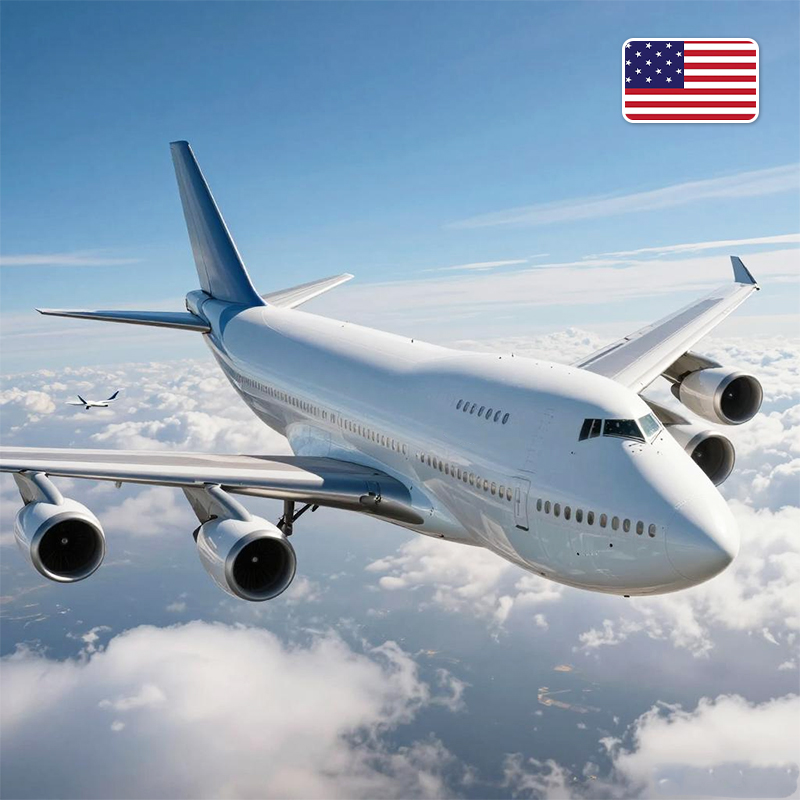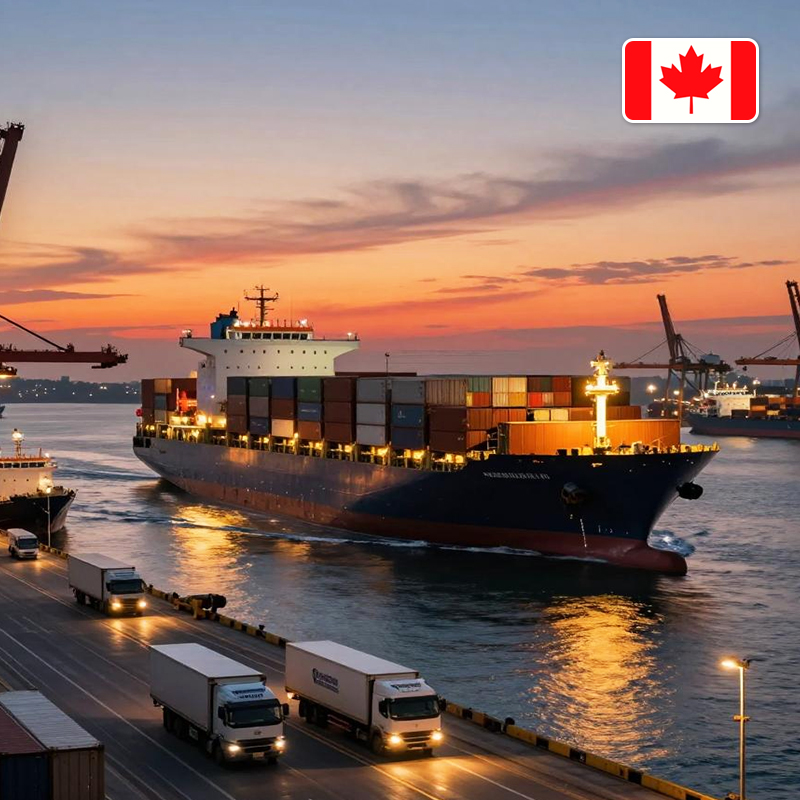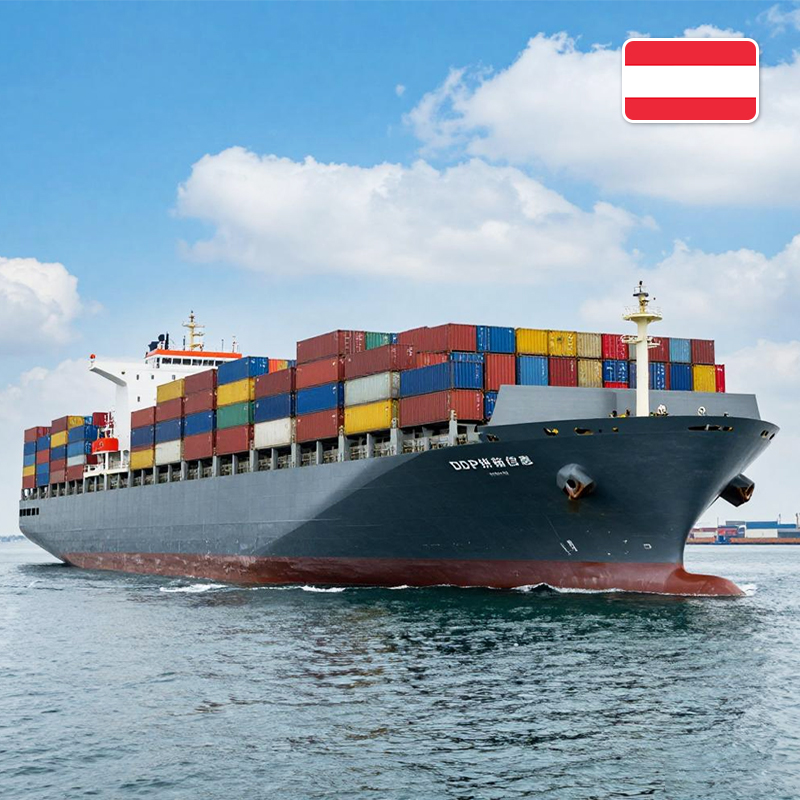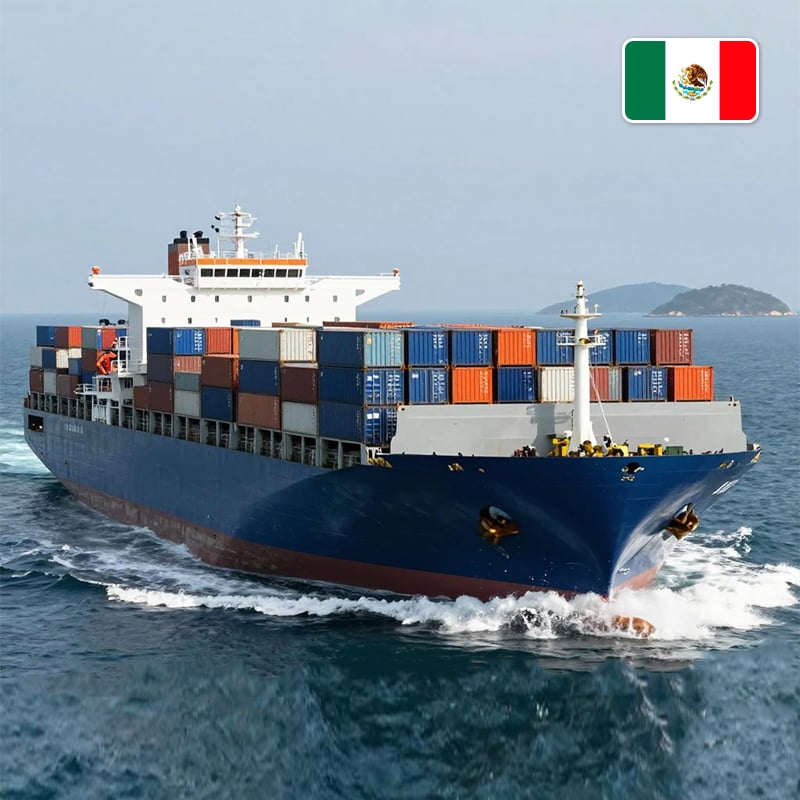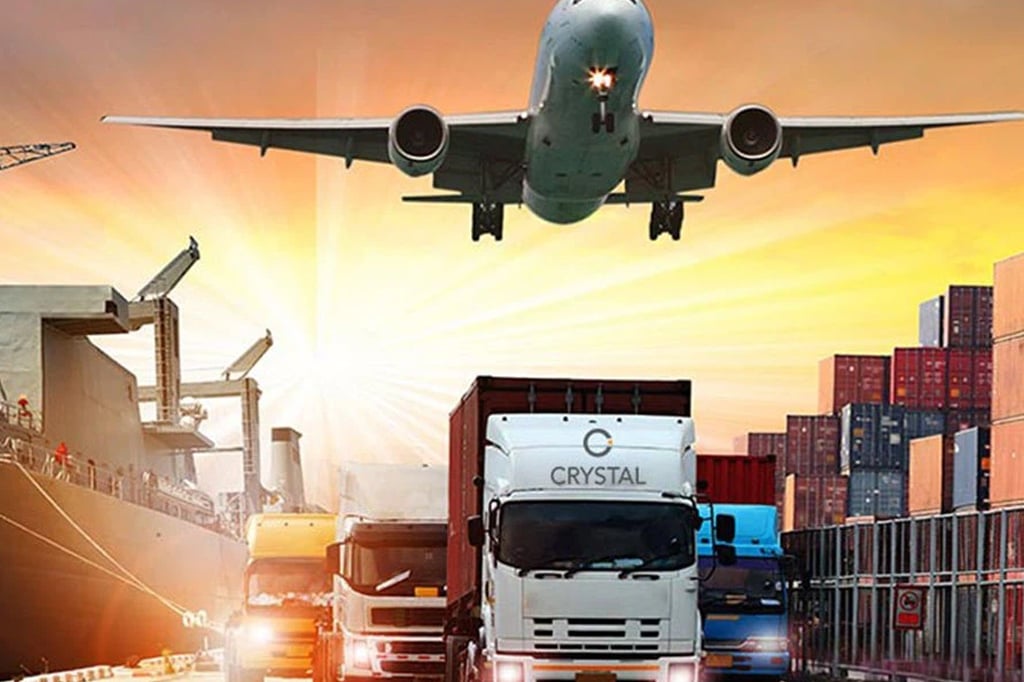
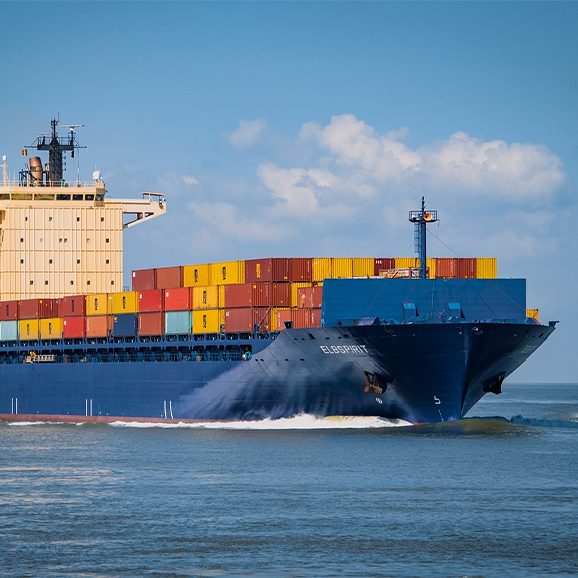
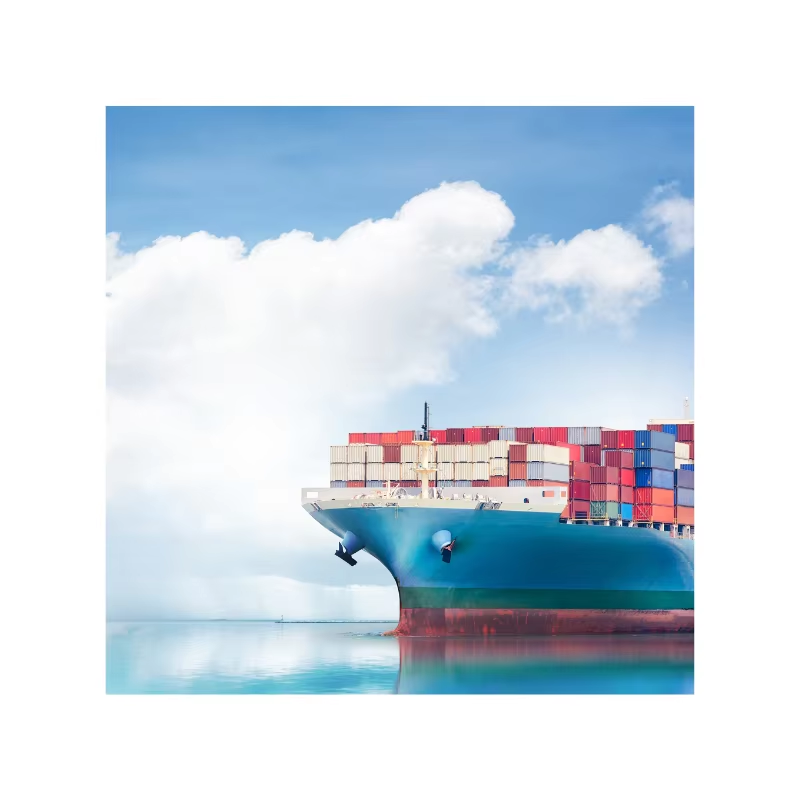
Sea shipping delivers unmatched cost efficiency at scale due to the powerful effect of economies of scale. Modern container vessels carry up to 18,000 TEUs in a single voyage—spreading fixed costs like crew, port fees, and vessel depreciation across enormous cargo volumes and slashing the cost per unit. This makes ocean freight the optimal choice for bulk commodities, raw materials, and high-volume consumer goods. In contrast, air transport typically costs four to six times more per kilogram, making maritime transport the clear economic winner for non-urgent, volume-driven shipments. Ships also consume significantly less fuel per ton of cargo than planes or trucks—reducing both operating expenses and carbon emissions. A competitive, global carrier market further disciplines pricing on major trade lanes. Whether moving full container loads (FCL) or consolidated less-than-container-load (LCL) shipments, businesses benefit from low unit costs, environmental advantages, and market-responsive rates—making ocean shipping the backbone of global trade and a critical lever for maintaining competitive pricing and healthy profit margins.
Container size directly affects the cost per kilogram. A 40-foot container costs roughly 20–30% more than a 20-foot unit but holds double the capacity—effectively lowering the per-kg rate. Distance remains equally decisive: longer routes demand more fuel, crew time, and navigation resources, increasing base freight. Demand and supply dynamics drive the most acute volatility. During peak seasons—such as the pre-holiday rush—tight vessel space pushes rates sharply upward. Conversely, an oversupply of ships can stabilize or even reduce prices. Importantly, ocean freight is quoted per container—not per kilogram—so calculating true per-kg cost requires dividing the total freight charge by the actual weight or volumetric cargo shipped.
Bunker fuel represents the largest variable cost for carriers. When crude oil prices rise, shipping lines apply a Bunker Adjustment Factor (BAF) surcharge—directly inflating the total freight bill. Trade route asymmetry compounds this volatility. On major import corridors—like Asia to Europe—vessels arrive nearly full but depart with far fewer exports, leaving behind surplus empty containers. Repositioning those empties incurs significant cost, which carriers absorb partially—or pass on through higher rates on return legs. Currency fluctuations add another layer of exposure, as most ocean freight invoices are denominated in U.S. dollars, subjecting non-dollar buyers to exchange-rate risk.
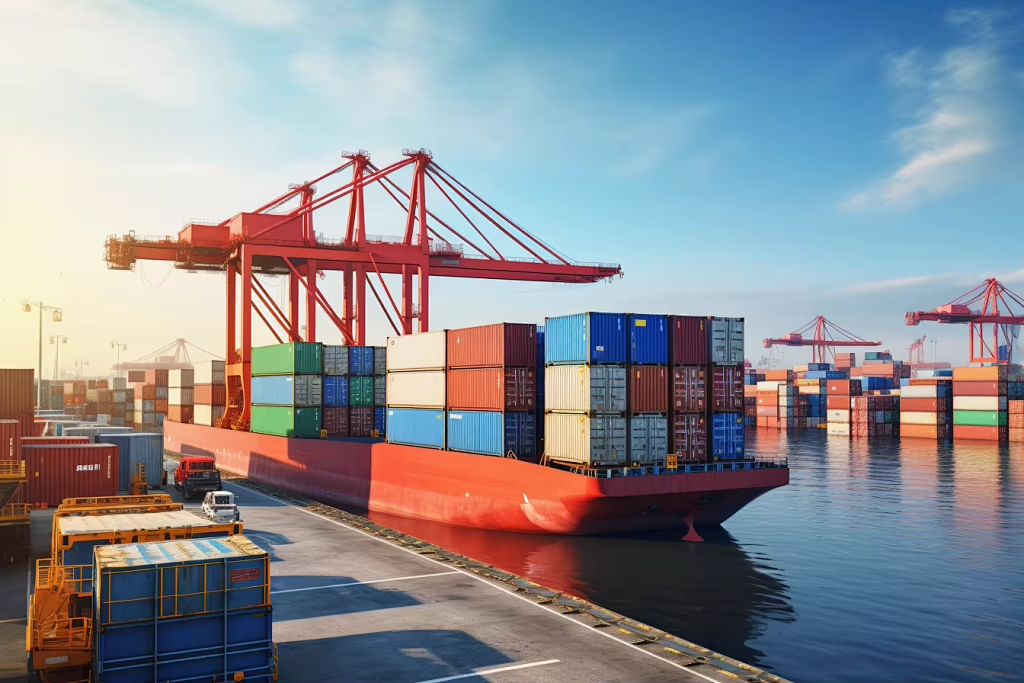
Implementing targeted optimization strategies for sea shipping directly improves operational efficiency and cost scalability across global supply chains. While freight expense management remains challenging, proven methodologies exist to lower sea shipping rates per kilogram without compromising reliability or service quality. The following approaches deliver measurable financial impact:
Consolidating multiple smaller shipments into full container loads (FCL) reduces per-unit transportation costs by eliminating the premium associated with less-than-container-load (LCL) handling, documentation, and deconsolidation. Consolidated freight typically cuts costs by 15–25% compared to LCL alternatives. Volume-based negotiation strengthens this advantage: shippers moving 500+ containers annually can leverage predictable volume to secure 10–30% rate discounts by committing to minimum yearly container volumes. Regular contract reviews—anchored in real-time market benchmarks—ensure agreements remain responsive to fuel price shifts and evolving demand patterns across key trade corridors.
Experienced freight forwarders provide access to consolidated carrier rates and specialized container tracking expertise unavailable to individual shippers. These partners often move 15,000+ TEUs annually across global routes, enabling them to negotiate preferential sea shipping rates per kg. Clear incoterms® specification—especially the distinction between FOB (Free On Board) and CIF (Cost, Insurance and Freight)—determines responsibility for port handling fees, demurrage, customs duties, and inland transport. Misaligned incoterms® represent a frequent source of hidden cost: approximately 18% of logistics disputes stem from mismatched shipment responsibilities. Structured comparisons of freight forwarder proposals against direct carrier contracts consistently reveal 12–20% opportunities for landed cost reduction—driven by professional logistics partnerships and deliberate incoterms® alignment.
Sea shipping offers unmatched economies of scale for global trade, yet its cost advantages can be eroded by structural inefficiencies—including trade imbalances and ballast travel. Persistent flow asymmetry on major corridors—such as Asia exporting far more to Europe and North America than it imports—creates container shortages in export hubs. The resulting repositioning fees range from $400 to $1,500 per unit, contributing to volatility in sea shipping costs according to industry reports.
The fallout extends beyond repositioning. When eastbound ships sail full but return nearly empty, carriers offset losses through higher rates on profitable routes—a practice known as cost averaging. Without transparent accounting, shippers effectively subsidize unprofitable legs. Consider the data:
| Trade Route | Westbound Load Factor | Eastbound Load Factor | Imbalance Cost |
|---|---|---|---|
| Asia to Europe | 95–100% | 65–70% | $20–$80 per TEU |
| Asia to US | 98–100% | 55–65% | $40–$100 per TEU |
(Sources: Hufacs Global Logistics Report 2024; Drewry Maritime Research)
Ballast travel—moving empty containers back to origin ports—consumes fuel and emits CO₂ without revenue-generating cargo. While modern routing algorithms mitigate this inefficiency by 15–30%, shippers still bear these hidden operational costs through peak season surcharges and base rate adjustments.
Strategies like multi-party consolidation, route diversification, and flexible incoterms® allocation help redistribute these costs more equitably—turning structural challenges into levers for shared supply chain resilience.
Sea shipping is significantly more cost-effective, especially for bulk commodities and high-volume goods. It consumes less fuel per ton of cargo, thus reducing operational costs and carbon emissions compared to air transport.
Larger containers, like a 40-foot unit, can lower the cost per kilogram by holding more capacity. Longer distances typically increase costs due to the need for more resources like fuel and crew time.
Fuel prices and trade route asymmetry are major external factors. Rising fuel prices can inflate freight bills, while route imbalances create container repositioning costs, which contribute to price volatility.
Consolidating shipments into full container loads and volume-based negotiations can reduce rates. Partnering with freight forwarders and clearly defining incoterms also helps control total landed costs.
 Hot News
2024-11-15
2024-11-11
2024-11-06
2024-10-31
2024-10-28
2024-10-25
GES Oriental Global provides top-tier international freight forwarding services, specializing in Amazon, Walmart, express shipping, air, sea, truck, and China-Europe rail transport.
 EN
EN