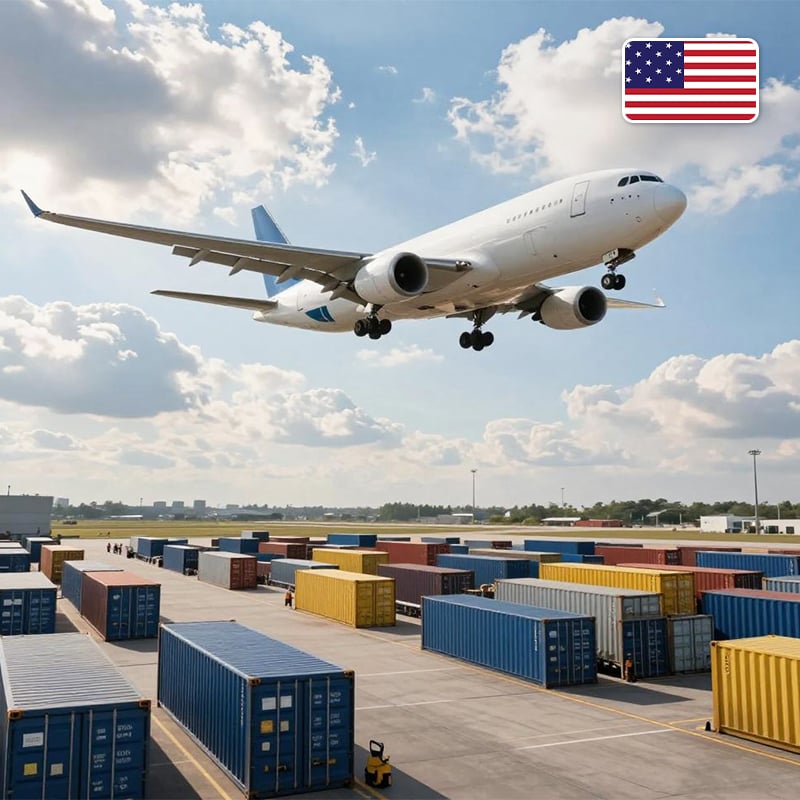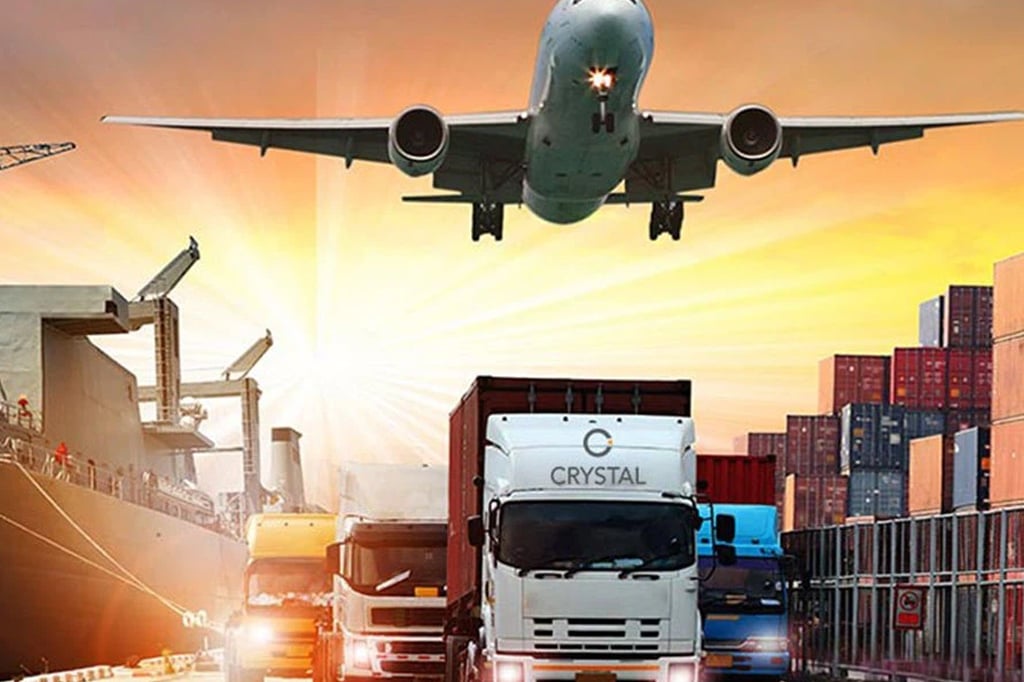
A Chinese forwarder handling high-volume export traffic must reduce clearance delays while staying compliant with evolving regulations. AI-powered platforms now automate customs documentation, enabling faster processing and fewer errors. By digitizing document flows and pre-clearing goods through bonded zones, forwarders can cut lead times significantly. Real-time tracking systems further enhance operations by aggregating data across multiple ocean and air carriers, providing end-to-end visibility. This combination of automation and tracking allows a Chinese forwarder to maintain tight control over shipments and quickly respond to disruptions.
Manual customs paperwork is a major bottleneck in cross-border logistics. AI-driven platforms automate data extraction, tariff classification, and compliance checks—reducing processing from days to hours. Machine learning models analyze historical trade data to predict documentation requirements and flag anomalies. Pre-declaration data is collected automatically, allowing forwarders to populate customs forms with minimal input. For a Chinese forwarder, such automation minimizes human error, speeds up clearance at busy ports like Shanghai or Shenzhen, and keeps goods moving through global supply chains. These systems also adapt to changing regulations across jurisdictions, ensuring ongoing compliance without manual intervention.
Tracking a single container across multiple carriers remains a challenge—until now. A Chinese forwarder leverages IoT sensors and centralized cloud dashboards that integrate data from ocean lines, air freighters, and trucking partners. These platforms deliver real-time location updates, estimated arrival times, and condition monitoring (e.g., temperature, humidity). Predictive analytics alert logistics teams to potential delays caused by weather, port congestion, or customs holds—enabling proactive rerouting. For example, AI systems can analyze historical patterns between Chinese ports and U.S. destinations to recommend optimal trade lanes. This visibility reduces inventory uncertainty, improves customer trust, and helps avoid costly demurrage fees by enabling precise delivery commitments.
To enhance ocean freight efficiency, forwarders deploy consolidation strategies specifically calibrated to China's export profiles. Full container load (FCL) shipments maximize container utilization for large-volume clients, while less than container load (LCL) consolidation pools cargo from multiple shippers into shared boxes. Intelligent LCL/FCL optimization algorithms forecast demand patterns and balance container space allocation—helping shippers achieve average cost reductions of 15–20% per unit while preserving transit reliability. Forwarders further layer these systems with port-specific saturation alerts, preventing demurrage fees across high-volume corridors like Yantian or Shanghai.
Strategic hub-and-spoke architecture underpins resilient China–US freight operations. Instead of relying solely on port-to-port transit, forwarders anchor operations around central hubs like the Los Angeles Logistics Center. Satellite routes extend from these hubs to secondary gateways in Chicago or Savannah, dynamically rerouting shipments during disruptions or congestion. Proximity to industrial zones within key hubs drastically reduces last-mile complexities for machinery or consumer electronics shipments. By maintaining diversified port partnerships and leveraging tiered distribution channels, this networked approach achieves up to 25% reduction in transit delays, even amid volatile Pacific demand cycles. It also strengthens cargo idleness mitigation during EPA inspections or CBP holds.
Operating in critical export pathways demands anticipatory compliance measures. High-volume China-origin freight faces 27% higher inspection rates (U.S. CBP, 2023) due to complex regulatory convergence. Chinese forwarders implement layered safeguards:
This proactive framework mitigates $150k+ per incident in delayed cargo penalties while maintaining 98.2% clearance efficiency. Continuous staff training on CFR and USMCA updates further reduces exposure to Section 301 tariffs. Building such defenses transforms compliance from cost center to competitive advantage in China–U.S. trade lanes.
To accommodate fluctuating export volumes without incurring unsustainable fixed costs, Chinese logistics enterprises implement variable-cost models through selective outsourcing. Dynamic third-party logistics (3PL) partnerships provide immediate access to specialized regional warehousing and supplementary transportation capacity during demand peaks—particularly valuable given that manufacturers exporting through China experience seasonal volume variances up to 300% annually. Similarly, cultivating relationships with diversified carriers—not single-provider contracts—reduces port congestion vulnerabilities while ensuring priority access to equipment and space. This hybrid infrastructure model—combining core route ownership with elastic third-party collaboration—enables Chinese logistics providers to enter new geographical markets within 15 days while maintaining 92% shipment integrity during expansion phases.
AI automates customs documentation processes, including data extraction, tariff classification, and compliance checks. This reduces delays, minimizes errors, and ensures regulatory compliance.
Real-time tracking integrates data from multiple carriers, providing end-to-end shipment visibility. This reduces inventory uncertainty, improves customer trust, and allows proactive responses to potential disruptions.
Consolidation strategies like FCL and LCL optimization help maximize container utilization and reduce shipping costs by 15-20% while maintaining reliability.
This model anchors operations around central hubs with satellite distributions, reducing last-mile complexities and reducing transit delays by up to 25%.
Chinese forwarders use tools like real-time HS code validation, restricted party screening, and compliance monitoring to reduce penalties and ensure smooth customs clearance.
 Hot News
2024-11-15
2024-11-11
2024-11-06
2024-10-31
2024-10-28
2024-10-25
GES Oriental Global provides top-tier international freight forwarding services, specializing in Amazon, Walmart, express shipping, air, sea, truck, and China-Europe rail transport.
 EN
EN