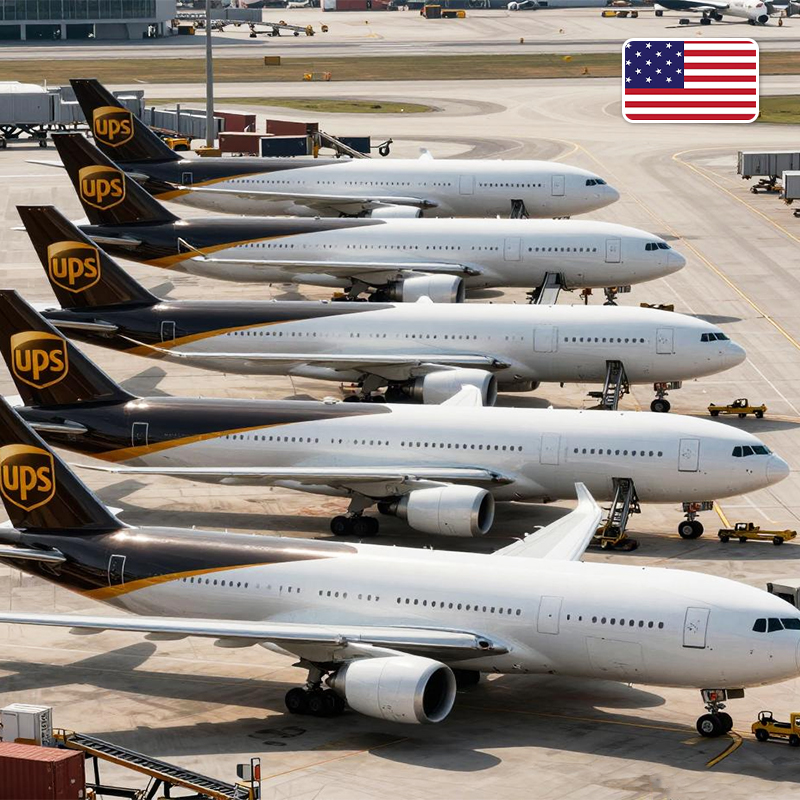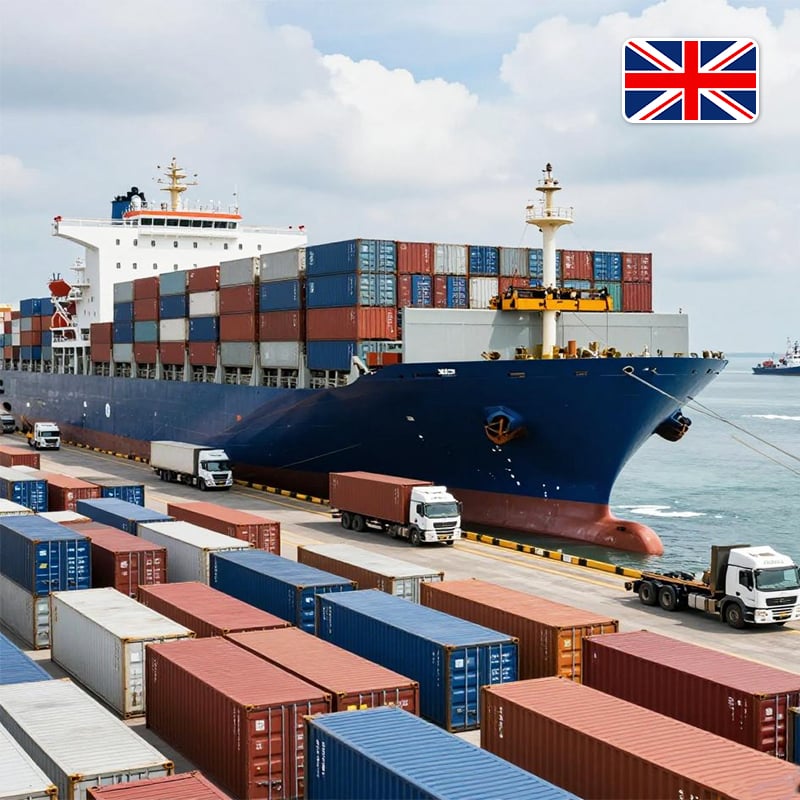
Choosing the optimal China-to-USA shipping method requires balancing transit speed, per-unit cost, and quality control—three interdependent factors that shape both operational efficiency and product integrity. Sea freight remains the most cost-effective option for high-volume shipments: a full container load (FCL) typically costs $2,500–$6,000 and takes 20–35 days, while less-than-container load (LCL) averages $150–$250 per CBM with transit times of 25–40 days. Air freight offers faster delivery—5–10 days—at $3–$7 per kg, making it ideal for high-value or time-sensitive goods. Express courier services deliver in just 3–7 days but at a premium: $6–$12 per kg. Though speed reduces inventory holding and warehousing costs, it also intensifies packaging and handling requirements—critical considerations for maintaining product quality across the supply chain.
The quoted freight rate represents only the starting point—not the final cost. Duties, marine insurance, customs clearance, inland drayage, port handling, and potential demurrage fees can add 15%–30% to the base shipping expense. For example, a $3,000 FCL shipment may incur $450–$900 in ancillary charges. Import duties are determined by Harmonized Tariff Schedule (HTS) classification and country of origin, while marine insurance typically costs 0.1%–0.5% of cargo value and is strongly recommended to protect against loss or damage. Delays at US ports—especially inspection holds or documentation issues—can trigger daily demurrage fees averaging $215 per container, further inflating landed costs. Overlooking these variables distorts margin analysis, particularly for low-margin goods where ocean freight’s cost advantage can quickly erode if hidden fees go unaccounted for.
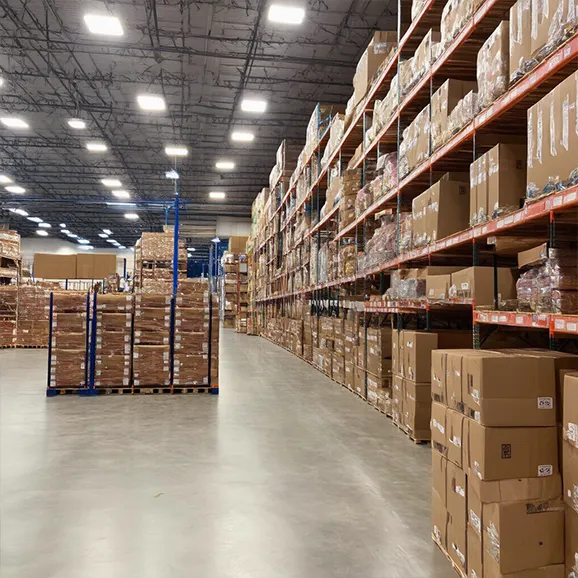
Integrating consolidation centers into the China-to-USA supply chain significantly reduces handling fees, minimizes port charges, and strengthens quality control oversight. Material planning specialists consistently identify these hubs as essential levers for achieving measurable cost reductions through operational discipline—not just scale.
Consolidating LCL shipments into full container loads (FCL) lowers per-unit freight costs by 22–45%, according to industry benchmarks from supply chain analysts. This approach enables shippers to aggregate orders across multiple vendors and negotiate volume-based pricing tiers with carriers—turning fragmented demand into strategic leverage. Professional logistics teams support this with integrated tracking systems covering pre-shipment inspection coordination, container space optimization, and carrier performance benchmarking. A 2024 logistics survey found companies using multi-vendor consolidation reduced transportation expenses by 38% versus those managing shipments independently—without sacrificing transit reliability. To lock in long-term savings, advance volume commitments should be structured around throughput-based negotiating frameworks, where financial incentives scale with consolidated shipment volumes.
Hong Kong serves as a high-efficiency transshipment gateway for China-manufactured goods bound for the US, offering expedited customs processing and robust infrastructure for quality verification before international transit. Its free trade zone status and streamlined export controls reduce administrative friction and shorten lead times. Quality control experts recommend embedding verification protocols directly into the consolidation workflow—including batch sampling during staging, harmonized documentation checks, and export compliance pre-screening. Customs data shows Hong Kong-processed shipments face 27% fewer inspection holds than direct mainland exports—directly lowering the risk of costly port delays and associated demurrage. Establishing consolidated fulfillment operations within Hong Kong’s free trade zones ensures material integrity is validated before goods enter international transit—adding resilience without adding cost.
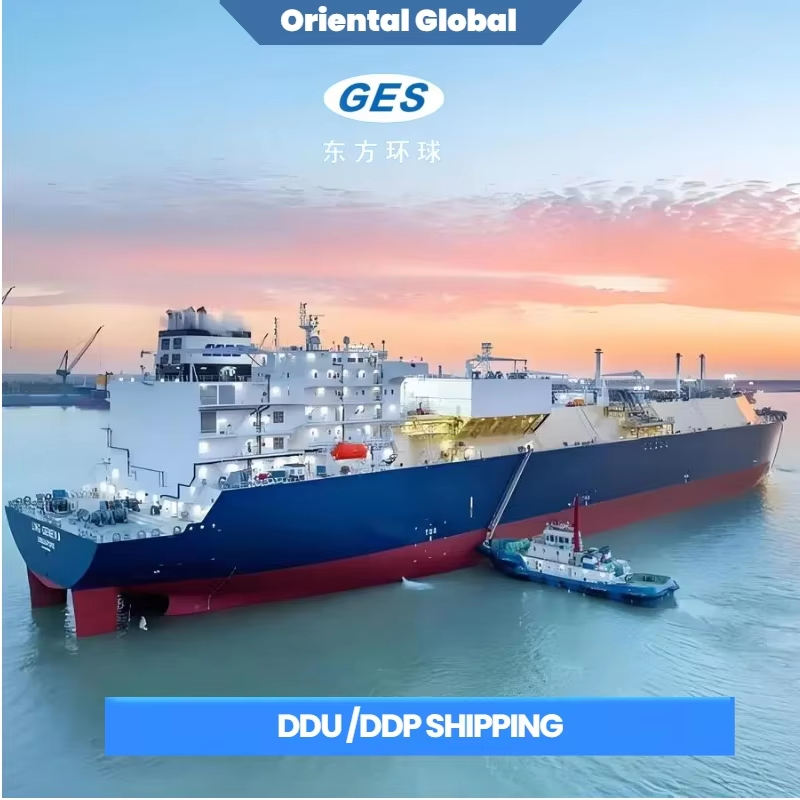
Selecting the right Incoterm is one of the most powerful—and often underutilized—levers for controlling total landed cost, risk allocation, and quality assurance. When paired with proactive customs strategy, it becomes a cornerstone of financially sound, operationally secure importing.
FOB (Free on Board) remains the most widely adopted Incoterm for China-to-USA shipments—and for good reason. Under FOB terms, the seller handles export clearance and loading onto the vessel; the buyer assumes control—and responsibility—for freight, insurance, and all downstream logistics. This structure provides full visibility into shipping costs, enables origin-based cargo inspection, and supports tighter quality oversight before departure. CIF (Cost, Insurance, Freight) shifts ocean transport and insurance obligations to the seller, simplifying execution but obscuring cost transparency—often embedding undisclosed markups in bundled service pricing. DDP (Delivered Duty Paid) offers turnkey door-to-door delivery with duties prepaid, yet sellers frequently inflate logistics and customs fees to offset risk exposure. For importers prioritizing both cost control and quality assurance, FOB delivers the strongest balance of accountability, flexibility, and insight.
Beyond Incoterms, smart customs strategy unlocks meaningful duty savings—without compromising compliance. Tariff engineering, the legal reclassification of products under lower-duty HTS codes based on design, materials, or functionality, requires deep product and regulatory expertise but can yield substantial, recurring reductions. Bonded warehousing allows goods to enter the US duty-free, deferring payment until they leave the warehouse for sale—improving cash flow and aligning tax liability with revenue realization. These tools gain even greater impact when combined with routine duty-mitigation reviews: evaluating eligibility for free-trade agreements (e.g., GSP), duty drawback programs, or post-importation corrections. A forwarder with documented experience in Chinese-origin imports brings critical value—not just in classification accuracy and bonded warehouse setup, but in avoiding penalties through proactive, audit-ready compliance.
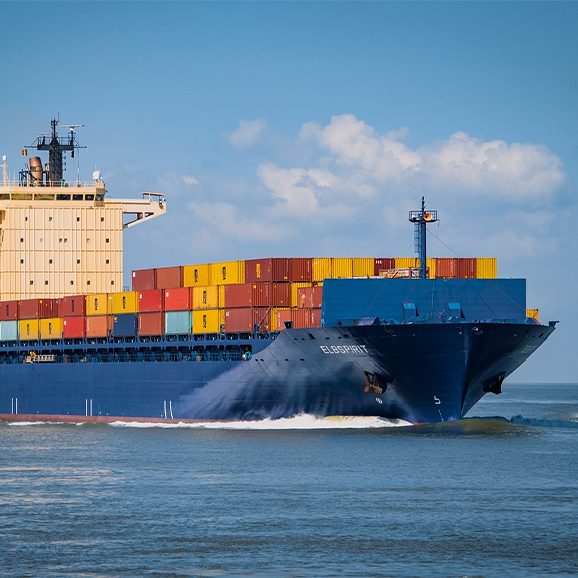
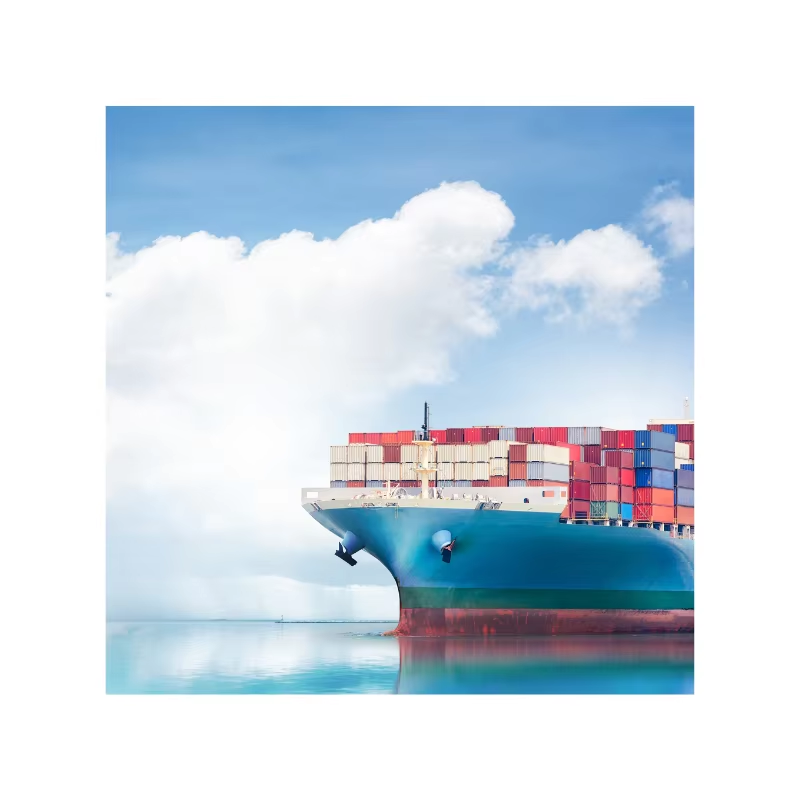
Sea freight, particularly full container load (FCL) shipments, is the most cost-effective option for large-volume shipments. Less-than-container loads (LCL) are also economical but come with higher per-unit costs.
Air freight is faster, with transit times of 5–10 days, but it costs more—between $3 and $7 per kg. Sea freight takes 20–40 days but is significantly less expensive for bulk goods.
In addition to freight rates, you should account for duties, insurance, customs clearance fees, handling charges, and potential demurrage at ports. These can add 15%–30% to your shipping expenses.
Consolidation centers allow the aggregation of shipments into full container loads, reducing handling and port fees while enhancing quality control measures.
Hong Kong offers faster customs processing, quality verification, and fewer inspection delays compared to direct exports from mainland China, minimizing risks of costly port delays.
Incoterms outline the responsibilities of buyers and sellers. Selecting the right Incoterm, like FOB, can provide greater cost transparency, risk allocation, and quality assurance.
 Hot News
2024-11-15
2024-11-11
2024-11-06
2024-10-31
2024-10-28
2024-10-25
GES Oriental Global provides top-tier international freight forwarding services, specializing in Amazon, Walmart, express shipping, air, sea, truck, and China-Europe rail transport.
 EN
EN