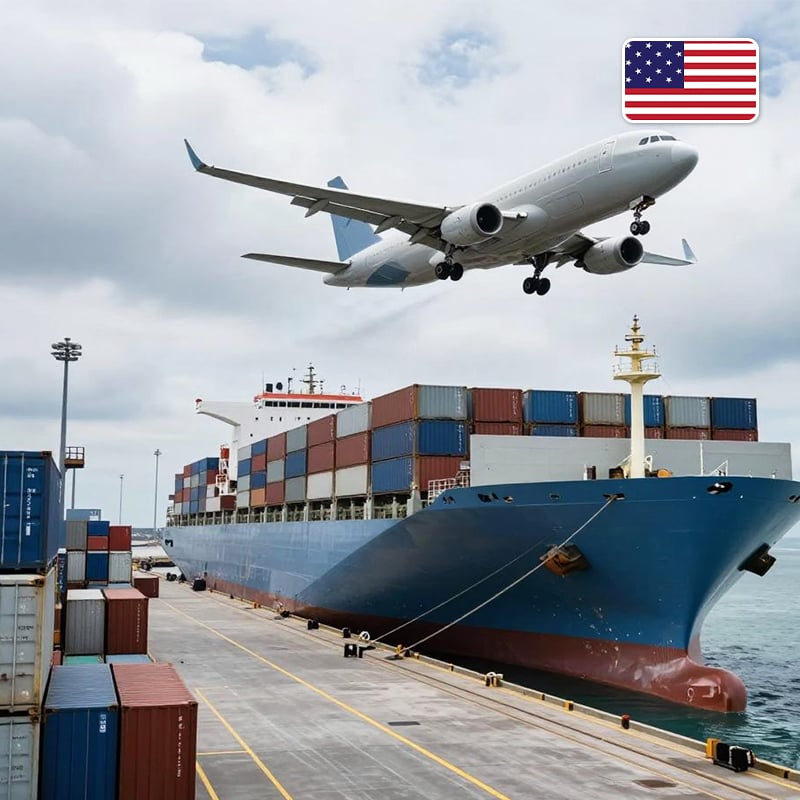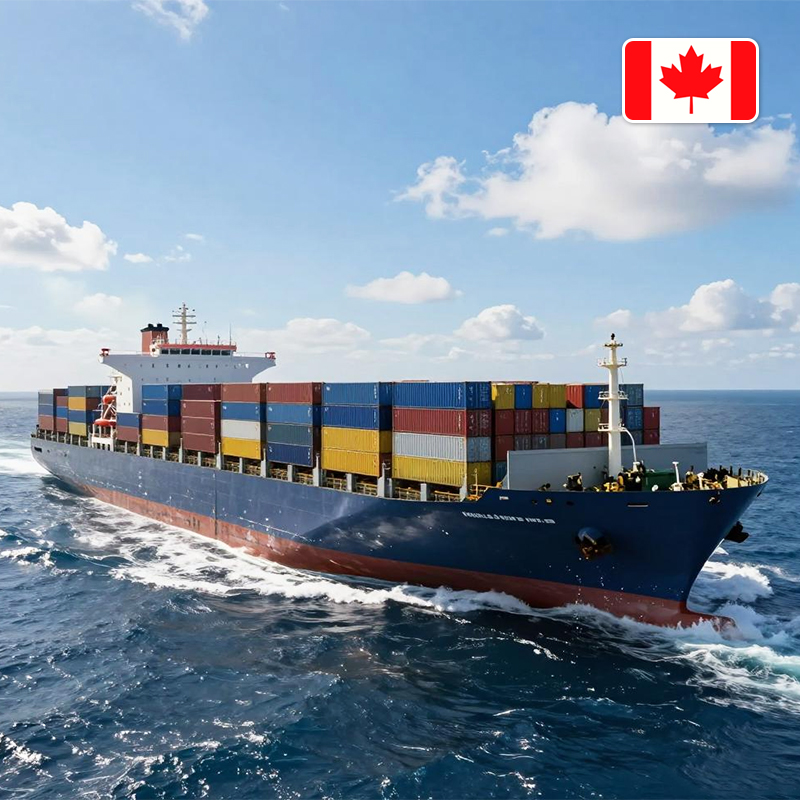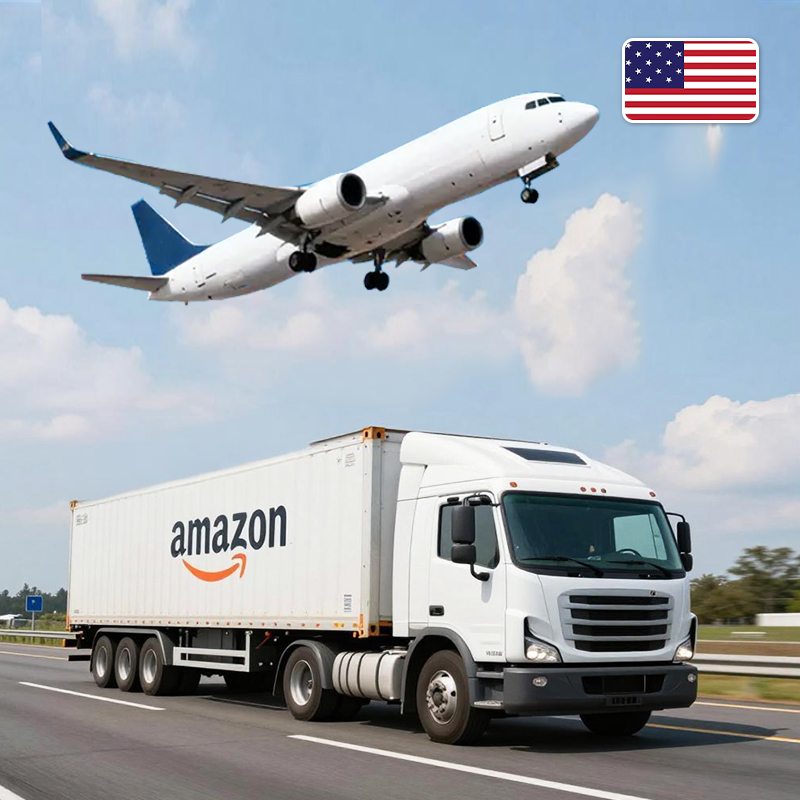
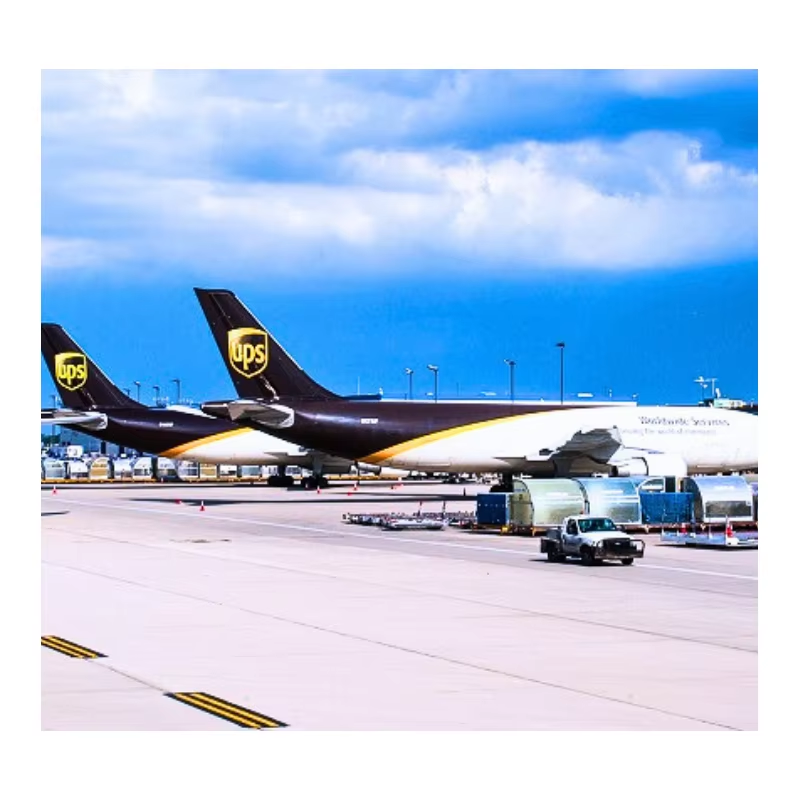
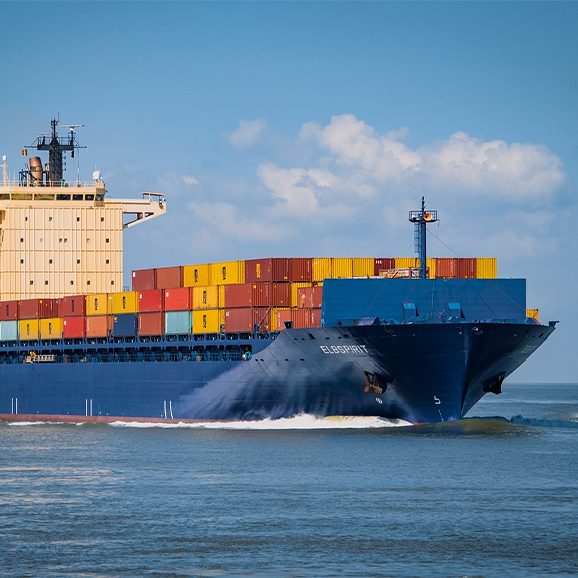
Selecting the right China to USA shipping method directly impacts inventory management and delivery timelines. Transit times vary significantly by mode: sea freight typically takes 16 to 35 days from major Chinese ports like Shanghai or Shenzhen to U.S. gateways such as Los Angeles or New York. Air freight delivers door-to-door in 5 to 15 days, while express courier services handle small, urgent parcels in as little as 1 to 5 days. External factors—including port congestion, weather disruptions, and seasonal demand spikes—can extend these estimates, so building in buffer time is essential for reliable planning.
Accurately budgeting for China to USA shipping requires accounting for multiple variables beyond base freight rates. Hidden fees often increase total expenses by 25–40%, eroding profit margins if overlooked. These fall into three categories: direct freight charges, mandatory duty/tax payments, and operational surcharges.
Core expenses include:
| Fee Type | Typical Cost Range |
|---|---|
| Customs Bonds | $70–$150 |
| ISF Filing | $35–$75 |
| China Export Fees | $55–$180 |
Incomplete or inaccurate documentation frequently triggers port holds and storage demurrage—costing up to $150/day after free time expires.
Operational volatility manifests in variable accessorial charges:
Collectively, these surcharges represent 26% of average China–USA shipping invoices. Reviewing carrier bulletins between January and March helps anticipate annual adjustments before they impact your budget.
Navigating U.S. customs regulations demands strict adherence to documentation protocols. Three foundational documents drive compliance: the Commercial Invoice, which establishes value, quantity, and description; the Packing List, detailing dimensions, weights, and packaging; and the Bill of Lading (BOL), serving as both receipt and carriage contract. Missing or inaccurate paperwork can trigger inspection delays averaging 4–11 days (CBP 2023) and fines exceeding $5,000 per violation.
Precision minimizes bottlenecks:
Accurate HTS classification is critical—misclassification accounts for 19% of customs holds. For regulated goods (e.g., electronics, cosmetics, children’s toys), adherence to FDA or Consumer Product Safety Commission (CPSC) standards is mandatory; non-compliance may result in recalls or forced destruction. The Importer of Record (IOR) assumes full legal and financial responsibility. Key IOR obligations include maintaining a minimum $50,000 customs bond, filing the Importer Security Filing (ISF) at least 48 hours pre-shipment, and bearing liability for all duties, taxes, and penalties—including fines starting at $25 per violation, with potential escalation to $1,000–$10,000 for repeated or severe breaches.
Choosing a reliable freight forwarder is one of the most important decisions for businesses importing goods. The right partner streamlines China to USA shipping, manages complex customs regulations, and ensures timely delivery—all while optimizing logistics costs.
Evaluate track record rigorously. Green flags include at least three years of dedicated transpacific experience, transparent rate sheets, proactive communication, and membership in recognized industry bodies like the International Federation of Freight Forwarders Associations (FIATA) or the National Customs Brokers & Forwarders Association of America (NCBFAA). Red flags include reluctance to share documentation, unrealistically low quotes, and absence of a physical office in either China or the United States.
Request itemized quotes from at least three providers—and compare not just totals, but scope: Does the quote include ocean or air freight, port handling, inland transport, and end-to-end customs clearance? Assess responsiveness during quoting as a proxy for future service quality. Thorough due diligence upfront prevents costly delays, misclassified shipments, and unexpected fees down the line.
Transit times vary depending on the shipping mode—sea freight (16–35 days), air freight (5–15 days), or express courier (1–5 days). External factors, such as port congestion and seasonal demand, can also impact delivery timelines.
Budgeting for shipping requires anticipating costs like fuel surcharges, peak season adjustments, and customs fees. Negotiating contracts that clearly outline all charges can reduce unexpected expenses.
The three essential documents are the Commercial Invoice, Packing List, and Bill of Lading. Ensuring these are accurate minimizes inspection delays and costly penalties.
Adherence to regulatory requirements for specific products like electronics or cosmetics is crucial. Misclassification or violations can lead to shipment recalls or destruction, so work closely with your freight forwarder for clarity.
Choose forwarders with transpacific expertise, transparent rates, and industry affiliations. Avoid providers offering unrealistically low quotes or lacking offices in key regions.
 Hot News
2024-11-15
2024-11-11
2024-11-06
2024-10-31
2024-10-28
2024-10-25
GES Oriental Global provides top-tier international freight forwarding services, specializing in Amazon, Walmart, express shipping, air, sea, truck, and China-Europe rail transport.


 EN
EN