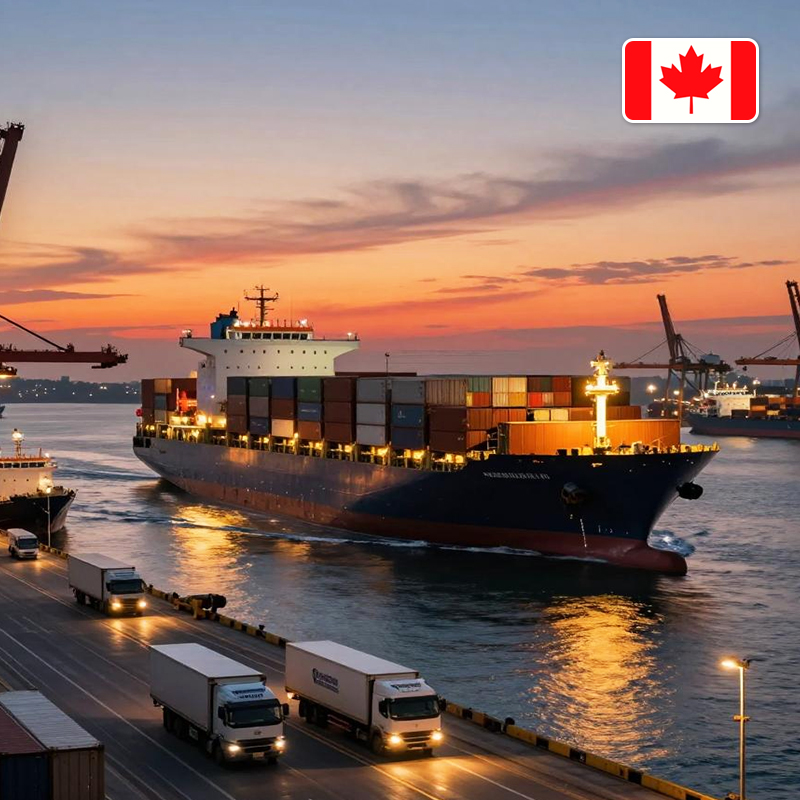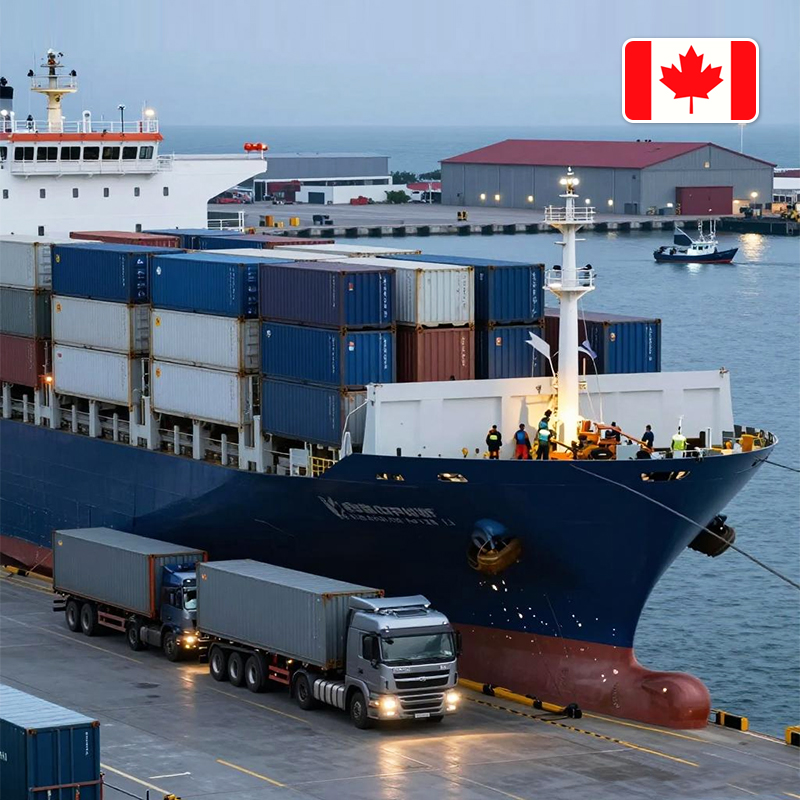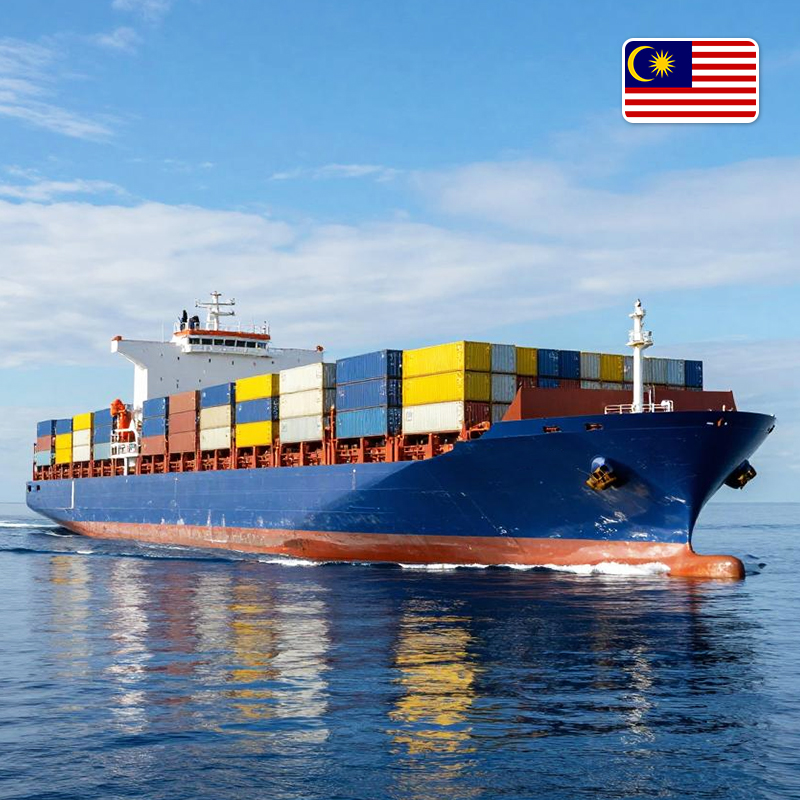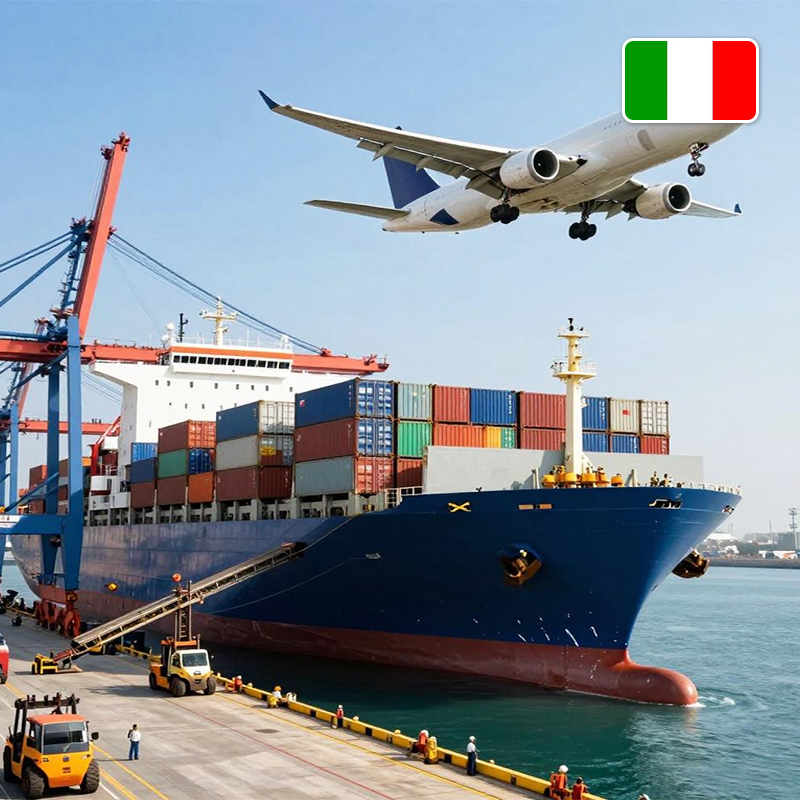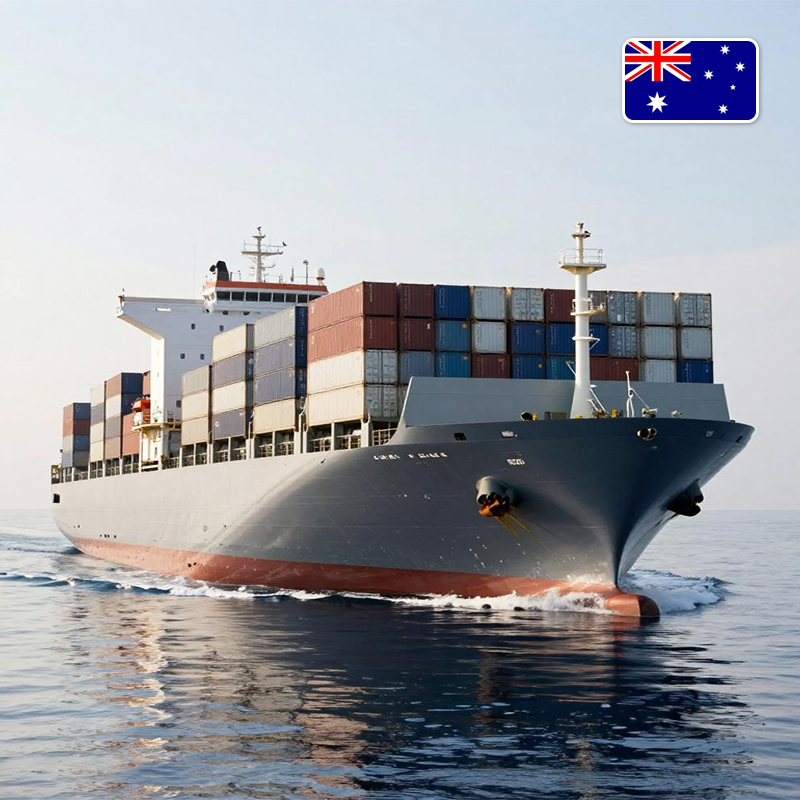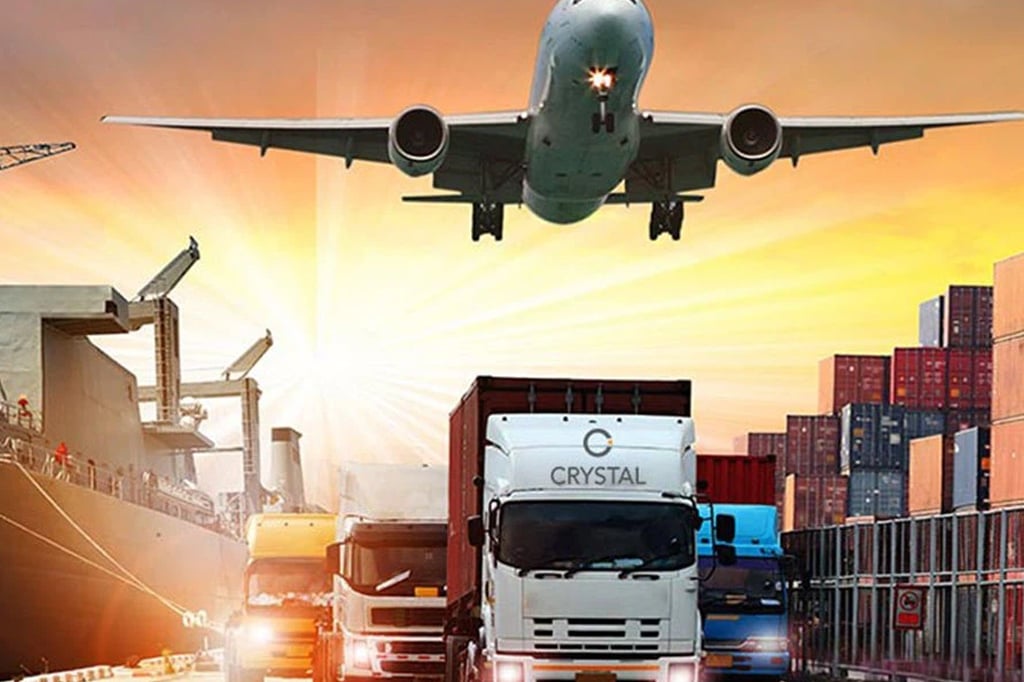
A general logistics provider lacks the local know-how needed to navigate China’s export regulations, customs procedures, and fragmented carrier networks. A specialized Chinese forwarder brings deep on-the-ground expertise that directly accelerates cross-border shipments—reducing delays, optimizing costs, and ensuring compliance.
They manage documentation with precision, minimizing the risk of customs holds that can stall goods for days. Their established relationships with airlines, ocean carriers, and rail operators enable them to secure space even during peak seasons—critical when capacity tightens across key ports like Shanghai or Shenzhen. They also design multimodal solutions—such as sea-rail or air-truck transfers—that balance speed and cost based on cargo type, destination, and urgency.
Technology reinforces this advantage: advanced tracking platforms deliver real-time visibility from factory floor to final delivery, empowering proactive decision-making. By handling regulatory complexity, network fragmentation, and operational volatility, a dedicated Chinese forwarder transforms an unpredictable logistics process into a predictable, scalable engine for growth.
A reliable Chinese forwarder must demonstrate deep operational expertise that goes beyond basic shipping. The following three capabilities are essential for ensuring smooth cross-border logistics.
Customs clearance in China involves complex documentation, precise tariff classification, and strict adherence to evolving regulations—from updated inspection protocols to shifting tariff exemptions under MOFCOM or GACC guidance. A capable forwarder manages the full scope: preparing certificates of origin, filing ISF bonds, coordinating pre-shipment inspections, and advising on HS code alignment. This local mastery alone can cut clearance time by 2–5 days compared to inexperienced providers—and prevent costly rework or detention.
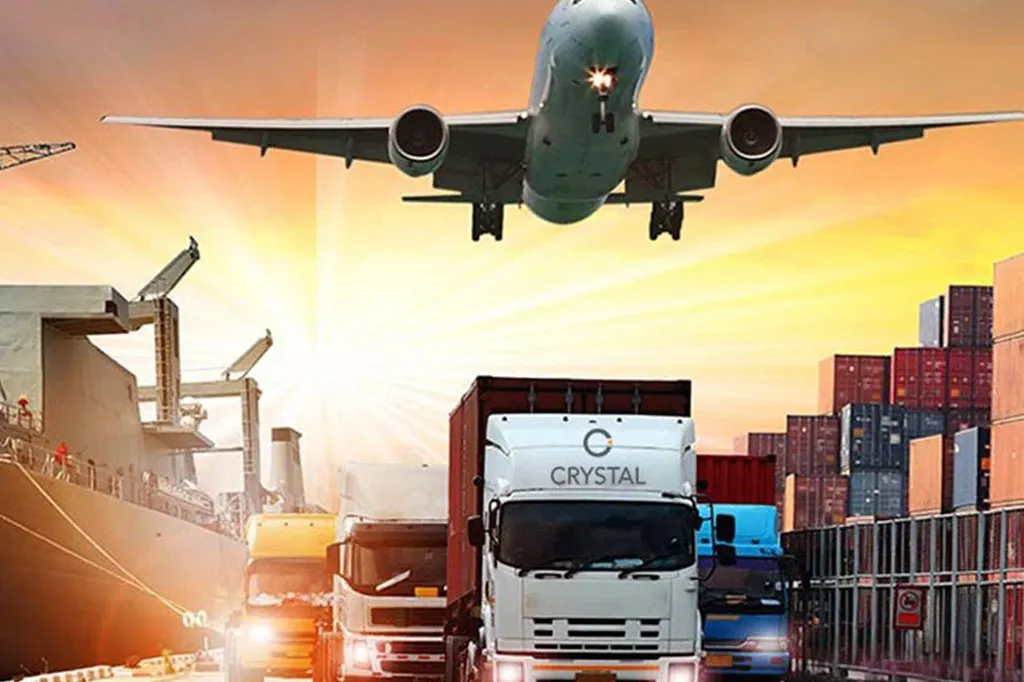
A strong multimodal network gives you agility and resilience. The forwarder should maintain direct contracts with major Chinese export hubs (e.g., Yantian, Ningbo-Zhoushan, Guangzhou), leading airlines, and China-Europe rail operators—including those certified under the China Railway Express framework. This enables LCL consolidation, volume-based rate negotiations (often delivering 15–25% savings over spot bookings), and rapid mode-switching during disruptions like port congestion or weather-related flight cancellations. Seamless handoffs between trucks, vessels, trains, and last-mile partners ensure continuity—not compromise.
Transparency is non-negotiable. Look for a forwarder offering a unified digital platform with real-time, event-driven tracking—covering pickup confirmation, customs submission, vessel/rail departure, and final delivery. Equally important is bilingual support: a dedicated account manager fluent in both English and Mandarin bridges communication gaps with factories, customs brokers, and inland hauliers. This fluency enables timely intervention—like rerouting cargo ahead of Lunar New Year shutdowns or adjusting documentation during sudden GACC policy updates.

An unlicensed forwarder lacks legal authority to issue air waybills or consolidate ocean freight—and may not meet minimum financial solvency or insurance requirements. Without IATA (International Air Transport Association) or FIATA (International Federation of Freight Forwarders Associations) accreditation—or at minimum an NVOCC license issued by China’s Ministry of Transport—shipments face heightened risks: customs rejection, cargo seizure, or inability to claim liability for loss or damage. Always verify registration numbers directly on official registries: IATA Cargo Agent Registry, FIATA Member Directory, or China’s Ministry of Transport NVOCC List.
Reliable forwarders provide transparent, itemized quotes—clearly defining base freight, fuel surcharges, terminal handling fees, customs brokerage, and any applicable documentation or inspection charges. Red flags include vague line items like “handling fee” or “administrative charge,” refusal to disclose carrier contracts, or reluctance to sign a service-level agreement (SLA). A binding SLA should specify on-time delivery windows, liability caps, response time for exceptions, and dispute resolution processes. As highlighted in a 2023 CSCMP industry survey, 42% of logistics disputes stemmed from undefined or uncontracted fees—making fixed-price, SLA-backed agreements essential before the first shipment.
Vetting a Chinese forwarder requires more than browsing a professional website. Follow a structured process to confirm their reliability and protect your supply chain.
Start by requesting formal verification: NVOCC registration number, IATA/FIATA accreditation status, business license, and proof of cargo liability insurance (minimum $1M recommended). Ask for 2–3 client references—preferably in your industry and with similar trade lanes—and case studies matching your cargo profile (e.g., electronics, machinery, or temperature-sensitive goods). Review third-party shipment audit reports showing on-time performance, customs clearance duration, and incident resolution rates. Consistent on-time delivery above 95% and average customs clearance under 48 hours signal operational maturity.
Never scale up without validation. Run a controlled pilot: one small, representative shipment tracked against clear KPIs—pickup timeliness (within 2 hours of scheduled window), transit time variance (<±6 hours), customs clearance duration (target ≤72 hours), and responsiveness to exceptions (acknowledgement within 30 minutes, resolution plan within 2 hours). Require full platform access for end-to-end visibility throughout. If the pilot meets or exceeds benchmarks—with zero customs delays, no unplanned fees, and proactive communication—you’ve confirmed capability and compatibility. Only then finalize a contract with enforceable SLAs and escalation protocols.
Specialized forwarders possess local expertise to navigate China's regulations, customs procedures, and carrier networks efficiently, reducing delays and optimizing costs.
Essential capabilities include end-to-end customs clearance expertise, an integrated multimodal logistics network, real-time visibility, and multilingual support.
Signs include lack of proper licensing/accreditation, opaque pricing, hidden fees, and absence of contractual SLAs.
Request documentation, client references, and audits to validate their capabilities, then conduct a pilot shipment to test performance with clear KPIs.
It provides event-driven updates for proactive decision-making, ensures transparency, and facilitates efficient communication throughout the supply chain.
 Hot News
2024-11-15
2024-11-11
2024-11-06
2024-10-31
2024-10-28
2024-10-25
GES Oriental Global provides top-tier international freight forwarding services, specializing in Amazon, Walmart, express shipping, air, sea, truck, and China-Europe rail transport.
 EN
EN