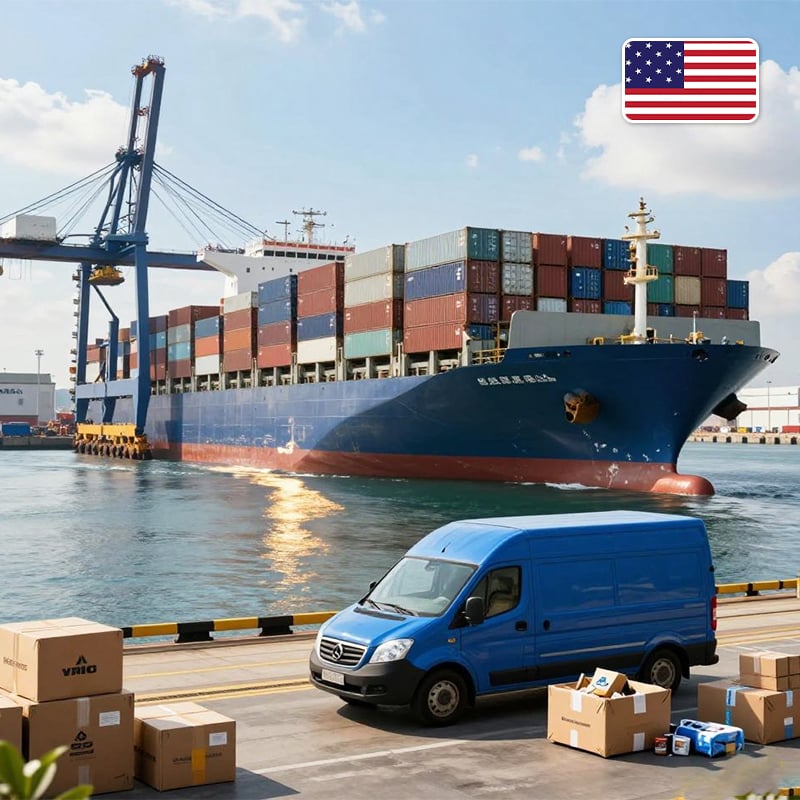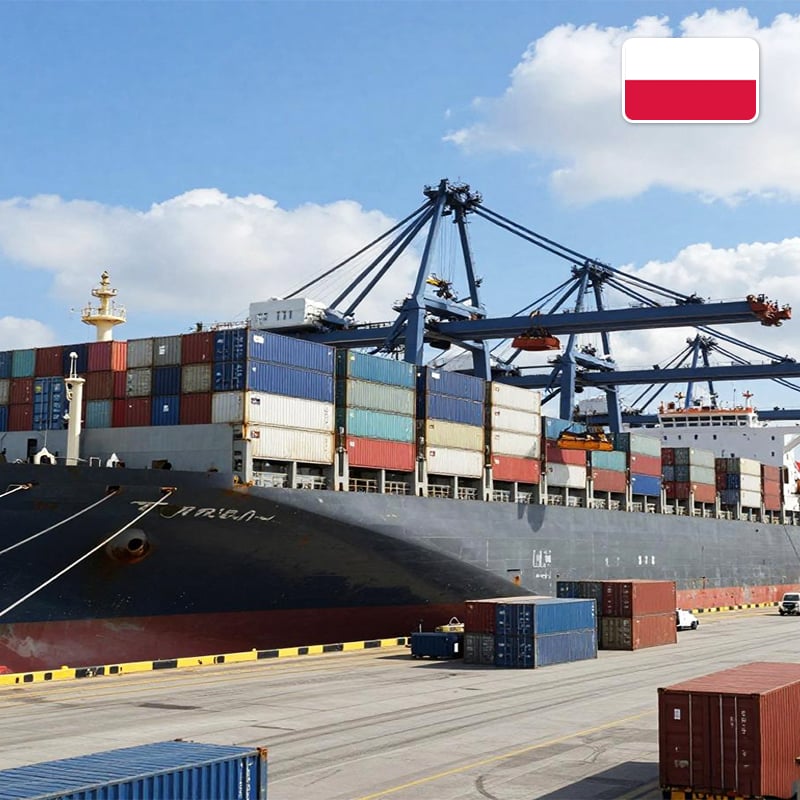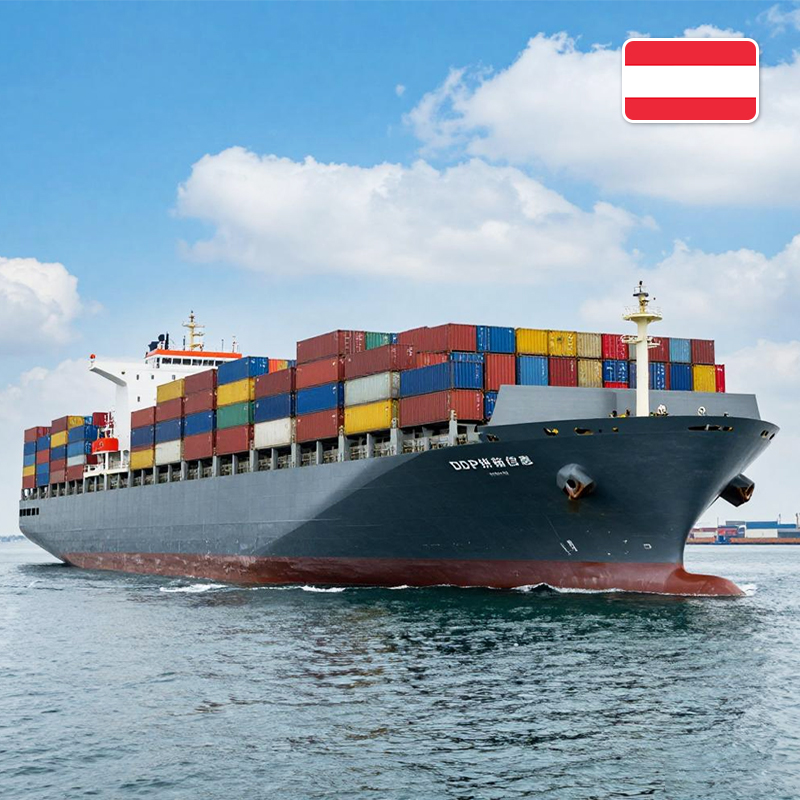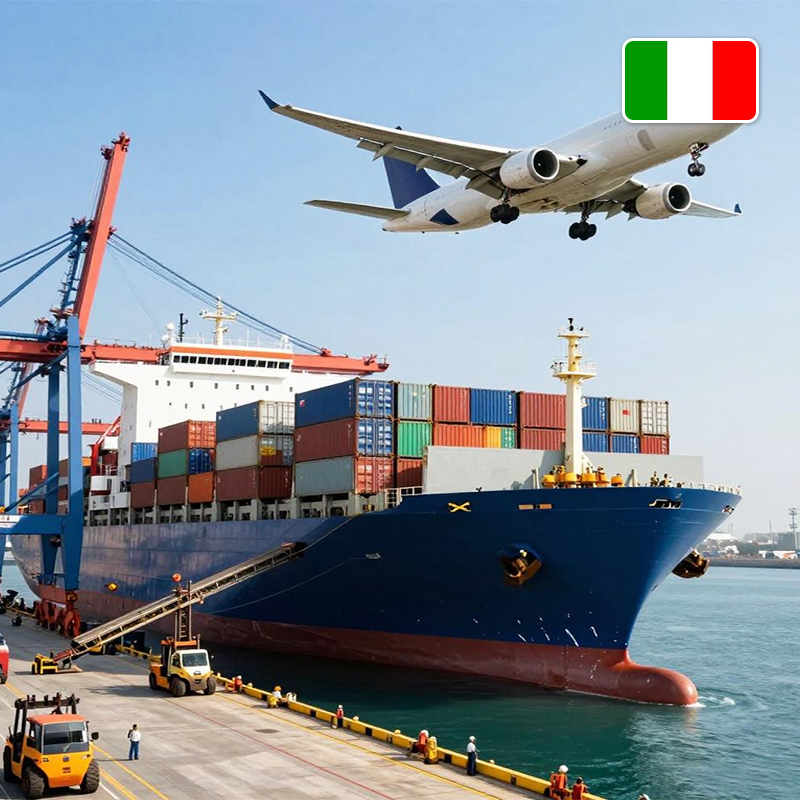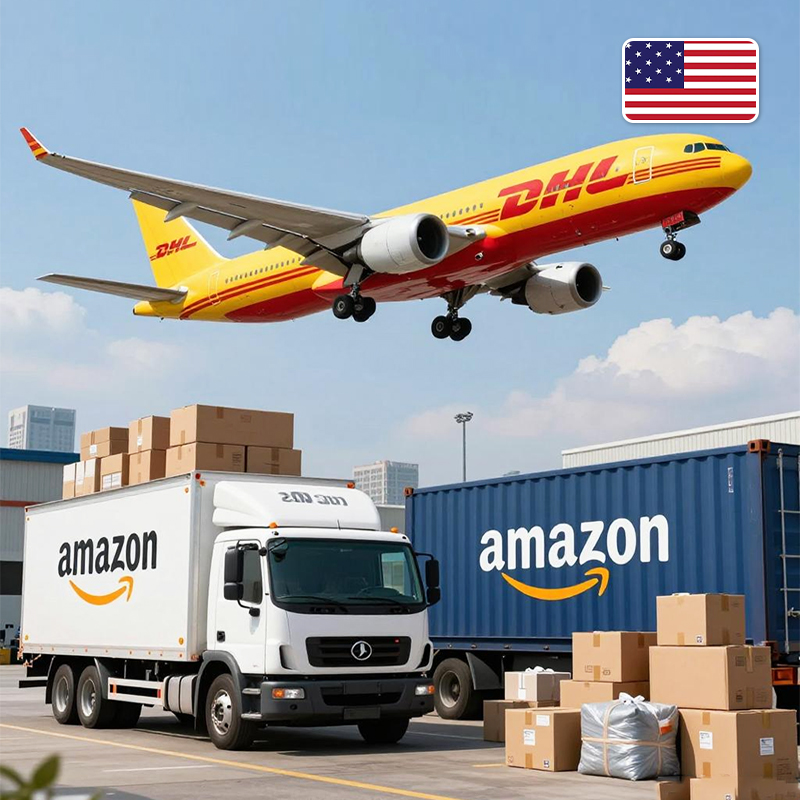
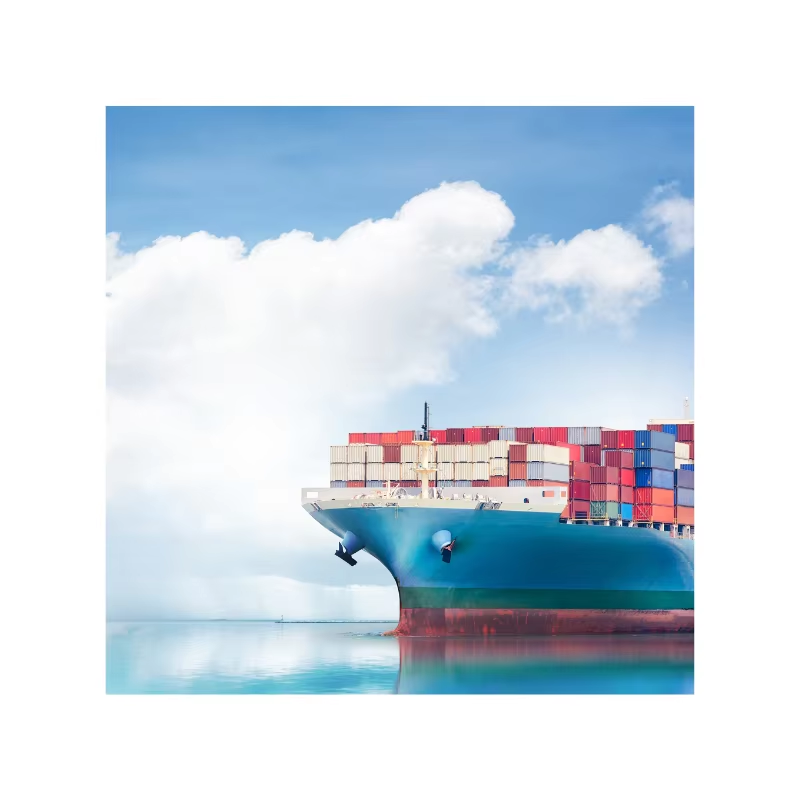
Sea shipping moves over 80% of the world’s trade by volume, making it the undisputed backbone of international commerce. For businesses targeting overseas markets, this mode offers unmatched cost efficiency—shipping a 40-foot container by sea can be up to five times cheaper than air freight per kilogram. High cargo capacity enables vessels to carry thousands of containers in a single voyage, unlocking economies of scale that keep per-unit costs low. Despite port congestion or geopolitical disruptions, ocean routes remain the most reliable option for bulk and heavy cargo. From industrial machinery to consumer goods, sea shipping accommodates an exceptionally wide range of cargo types—reducing reliance on multiple logistics providers. For companies building long-term global strategies, choosing sea shipping is not just a logistics decision—it’s a foundational step toward sustainable growth and scalable market reach.
Choosing between FCL and LCL is a key decision in sea shipping, directly affecting cost, transit time, and cargo integrity.
FCL gives you exclusive use of a 20- or 40-foot container, ideal when your shipment fills at least 12–15 m³ (or ~18–20 pallets). This mode minimizes handling, lowers per-unit cost at scale, and enhances security—the container is sealed at origin and opened only at destination. Transit times are shorter due to no consolidation or deconsolidation delays, and the flat-rate pricing simplifies budgeting. FCL delivers full control over scheduling, documentation, and cargo condition—making it optimal for high-volume, recurring exports where speed, predictability, and risk mitigation matter most.
LCL allows shippers to share container space, paying only for the cubic meter or weight they occupy. It’s the pragmatic choice for smaller or irregular shipments—especially for startups, SMEs, or seasonal product lines—that don’t yet justify a full container. However, LCL involves consolidation at a container freight station (CFS) and deconsolidation at destination, adding handling steps, transit time (typically 3–7 days longer than FCL), and modestly higher damage or loss risk. Its real strategic value lies in lowering market-entry barriers: businesses gain international exposure without upfront volume commitments or warehousing overhead.
Understanding the full cost of sea shipping requires looking beyond the base freight rate. Surcharges and hidden fees can add 20–40% to the total invoice—making cost transparency a critical competitive advantage. Below we break down the key components and the less obvious charges every shipper must plan for.
The base ocean freight rate covers vessel transportation from origin to destination port—but it’s rarely the final number. The Bunker Adjustment Factor (BAF) accounts for fuel price volatility; the Currency Adjustment Factor (CAF) offsets exchange rate fluctuations; Terminal Handling Charges (THC) cover loading/unloading labor and equipment at both ports. Additional port-specific fees—such as peak season surcharges, congestion levies, or ISPS security fees—often emerge during high-demand periods or operational disruptions. Collectively, these surcharges can increase the quoted rate by 30% or more if not proactively negotiated or benchmarked.
Once cargo arrives, import duties, Value-Added Tax (VAT), and marine insurance premiums—calculated as percentages of declared value—add further layers of cost. Equally consequential are demurrage (for containers held past free time at the port) and detention (for containers held beyond free time at a depot)—both commonly priced at $100–$300 per day. A single customs hold or port delay can trigger cascading fees, eroding margins rapidly. Proactive planning—including buffer allowances in lead times and budgets—helps safeguard profitability and service-level commitments.
A single documentation error can stall cargo for days—and incur storage, demurrage, or rework costs. For sea shipping, three documents form the non-negotiable foundation of customs clearance.
The bill of lading serves as legal title to the goods and proof of the carrier’s contractual obligation. The commercial invoice declares the cargo’s value, description, HS code, and country of origin—directly informing duty calculations and regulatory compliance. The certificate of origin verifies manufacturing location, enabling eligibility for preferential tariffs under trade agreements like USMCA, ASEAN, or the EU’s GSP. Inconsistencies across these documents—such as mismatched HS codes, values, or origin claims—are the leading cause of customs holds and penalties. Leading customs brokers recommend validating all three against a standardized compliance checklist before vessel departure—a small investment that routinely cuts clearance time by 2–5 days and avoids avoidable storage fees.
Sea shipping dominates global trade due to its cost-efficiency, high cargo capacity, and reliability for bulk and heavy goods. It facilitates scalable market reach while minimizing logistical disruptions.
FCL is ideal for high-volume shipments needing exclusive container usage and faster transit, while LCL is suited for smaller, irregular shipments that require flexibility and minimal upfront costs.
Hidden costs include surcharges like BAF, CAF, THC, port fees, import duties, VAT, insurance premiums, demurrage, and detention. Proper cost planning and negotiation can mitigate these expenses.
The bill of lading, commercial invoice, and certificate of origin are foundational documents required to ensure compliance, duty calculations, and tariff benefits.
 Hot News
2024-11-15
2024-11-11
2024-11-06
2024-10-31
2024-10-28
2024-10-25
GES Oriental Global provides top-tier international freight forwarding services, specializing in Amazon, Walmart, express shipping, air, sea, truck, and China-Europe rail transport.

 EN
EN