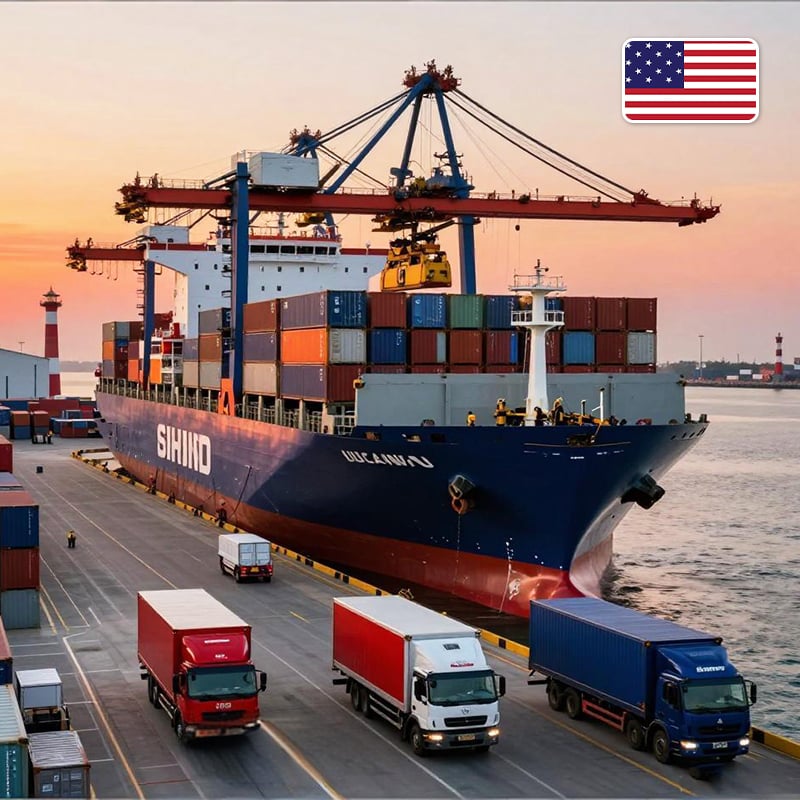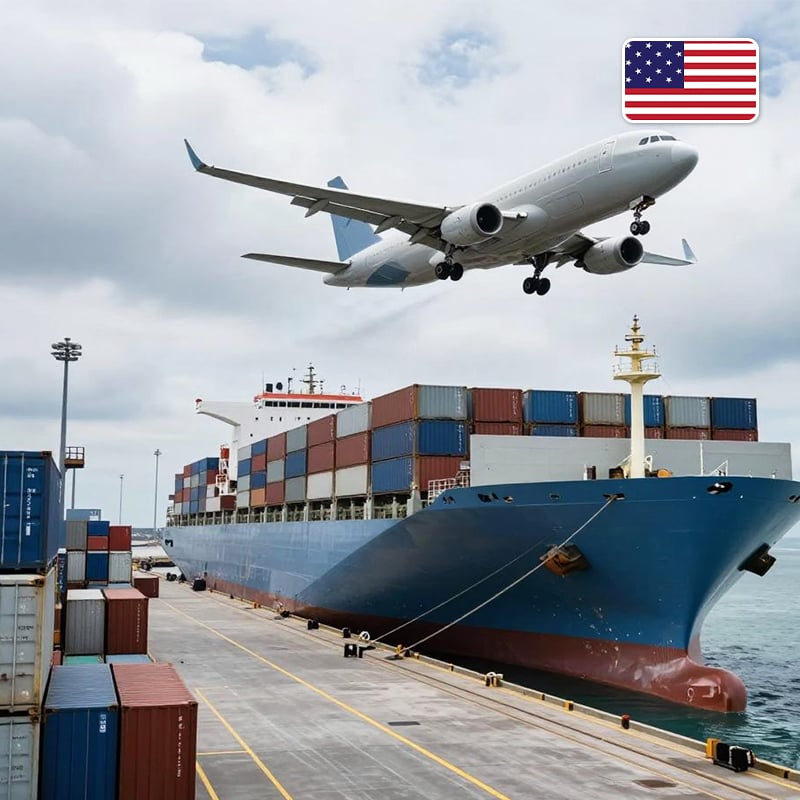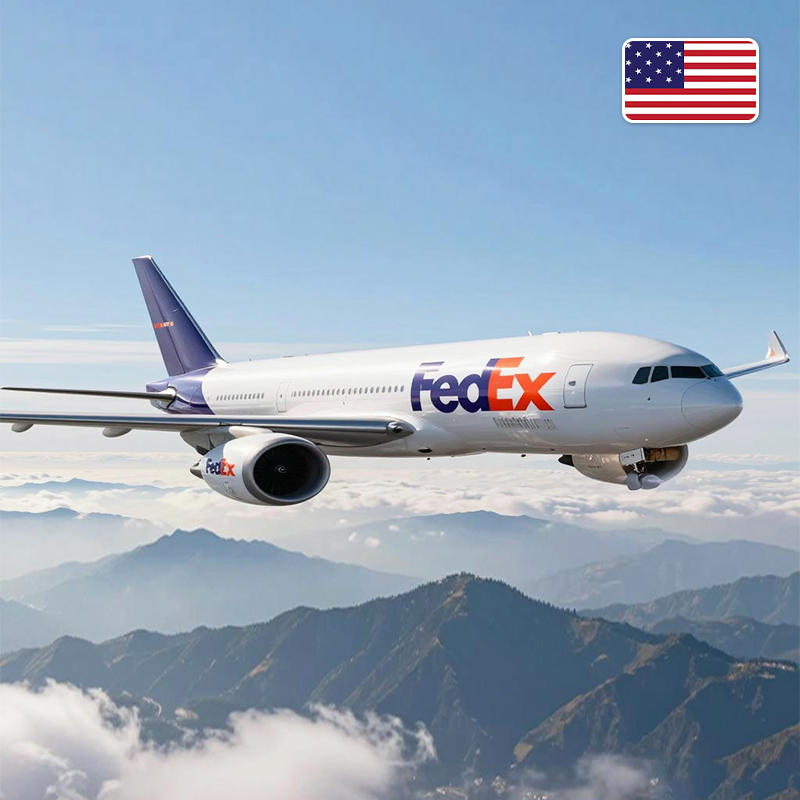
Air shipping compresses delivery windows from weeks to hours. While ocean freight across the Pacific typically takes 20–40 days, the same route is completed by air in under 24 hours—enabled by cruising speeds of ~500 mph and bypassing port congestion, weather-related maritime delays, and multi-tier handling. For time-critical shipments—such as replacement parts halting production lines, emergency medical equipment, or last-minute retail launches—this speed directly prevents revenue loss, factory downtime, and eroded customer trust. By aligning physical movement with real-time demand rather than long-term forecasts, air shipping supports lean inventory strategies: raw materials can be ordered just before depletion, with aircraft arrival timed precisely to avoid stockouts. The result is a responsive, demand-driven supply chain—not one governed by lead-time buffers.
Dedicated express air freight services deliver door-to-door within one or two business days—even intercontinentally—leveraging scheduled cargo capacity on passenger flights and purpose-built all-cargo freighters. Integrated into just-in-time (JIT) models, these services eliminate the need for weeks of safety stock: a manufacturer can rely on daily air bridges from suppliers 5,000 miles away instead of holding four weeks’ inventory. This slashes total lead time from order to production from weeks to days. Express offerings include pre-booked space, real-time tracking, and priority unloading—ensuring shipments are first off the aircraft. For high-value electronics, time-bound promotional launches, or clinical trial materials, this combination of speed and reliability is unmatched by surface transport. Though air freight carries a higher cost per kilogram, it delivers ROI through reduced warehousing spend, freed working capital, and accelerated cash conversion cycles.
Airlines operate on tightly coordinated schedules with multiple daily departures, enabling precise alignment with supply chain timing requirements. Unlike maritime or ground transport, air shipping avoids systemic delays caused by port congestion, border bottlenecks, or weather disruptions common in ocean or overland corridors. According to IATA’s annual performance data, 85% of air cargo arrives within six hours of its scheduled slot time—thanks to advanced trajectory coordination and integrated air traffic management. This consistency significantly lowers pacing risks for perishables, just-in-time components, and time-bound pharmaceuticals. As a result, businesses can deploy JIT strategies with confidence, knowing arrival variance remains tightly controlled.
Major cargo hubs—including those operated by FedEx, UPS, and Lufthansa Cargo—use real-time aircraft surveillance and automated slot allocation systems to achieve ≥93% annual scheduled flight adherence. This operational discipline minimizes the arrival variance that plagues multimodal transport, where a single delayed leg cascades into week-long setbacks. Strategic shippers use publicly reported carrier performance metrics—such as IATA’s Cargo Performance Dashboard—to select routes aligned with urgency, capacity, and historical reliability. Typical arrival variances stay under three hours—critical when transporting temperature-sensitive biologics or line-stopping industrial parts.
Air shipping excels at preserving cargo integrity—especially for high-value, fragile, or time-sensitive goods—through minimized handling, environmental control, and purpose-built protocols.
Air freight reduces touchpoints dramatically compared to ocean or rail: fewer transfers, no container stacking, and limited ground-handling stages lower mechanical damage risk. Leading carriers offer white-glove services—including secure enclosed loading zones, custom cradles, and dedicated trained personnel—for sensitive consignments. Climate-controlled aircraft holds continuously monitor temperature and humidity, maintaining stable conditions essential for electronics, pharmaceuticals, and fresh produce. Shorter transit times further narrow exposure windows for environmental or shock-related degradation. Specialized providers invest in industry-specific equipment—like pressure-regulated units for avionics or active-cooled containers—and certify handlers in proper securing techniques. This end-to-end protective framework yields higher product integrity and fewer claims, making air shipping the default choice for mission-critical cargo.
Modern air shipping delivers granular, real-time visibility across the full journey—from pickup to final delivery. Cloud-based platforms and IoT-enabled telemetry update cargo status every few minutes, allowing logistics teams to monitor exact location and dynamic ETAs. When exceptions occur—such as flight delays, customs holdups, or weather diversions—automated alerts trigger immediate intervention: re-booking on the next available flight, rerouting via alternate hubs, or coordinating expedited ground handoffs—all achievable within hours. Support teams operate 24/7 and integrate seamlessly with warehouse management and last-mile systems, delivering a unified view across the entire logistics chain. This transparency cuts dwell time, avoids demurrage fees, and empowers stakeholders to make rapid, informed decisions. Ultimately, end-to-end visibility transforms air shipping from a transport mode into a fully managed, agile logistics capability.
Air shipping delivers unmatched agility when cargo cannot wait. When standard commercial schedules fall short, specialized solutions provide on-demand responsiveness—enabling rerouting, last-minute additions, or capacity adjustments without compromising delivery windows.
Charter flights offer absolute control over timing, routing, and handling—dedicating an entire aircraft to a single shipment. This eliminates intermediate stops, hub congestion, and shared-space dependencies, reducing total transit time to the theoretical minimum. Charters are indispensable for oversized machinery, emergency spare parts, or production-critical components where each hour of downtime incurs thousands in lost output. With dedicated capacity, shippers set departure windows, choose destinations, and bypass congested gateways entirely. Even smaller urgent loads benefit from partial charters or guaranteed ramp priority—delivering charter-level speed without full aircraft cost. This level of customization ensures mission-critical cargo arrives exactly when and where needed.
Temperature-sensitive cargo demands more than speed—it requires auditable thermal integrity across the full chain. Best practices begin with validated packaging: insulated containers using phase-change materials or active cooling systems maintain required temperature ranges. Pre-cooling cargo and deploying calibrated, time-stamped data loggers throughout transit provides verifiable condition records. Coordination with certified ground handlers minimizes tarmac exposure—especially critical during layovers or peak airport operations. For vaccines and biologics, cold-chain certification of all equipment, facilities, and personnel (per WHO PQS and GDP standards) is non-negotiable. Shippers also build in redundancy—backup power for cooling units, contingency routing, and pre-vetted alternate airports—to safeguard product efficacy if delays occur. Combined with air transport’s inherent speed, these disciplined practices ensure pharmaceuticals and perishables arrive safe, potent, and compliant.
Air shipping is significantly faster than ocean or ground transport, with deliveries completed in hours rather than weeks. It offers precise schedule coordination, reduced handling, and maintains high cargo integrity, making it ideal for time-sensitive or high-value shipments.
Air shipping allows for the fast transport of goods, reducing the need for large amounts of safety stock. This aligns with just-in-time (JIT) models, allowing manufacturers to receive necessary materials quickly and efficiently, reducing lead times from weeks to days.
Yes, air shipping provides specialized services, including temperature-controlled environments and reduced handling touchpoints. Carriers offer white-glove services and industry-specific equipment, ensuring the safe transport of sensitive goods like electronics, pharmaceuticals, and perishables.
Modern air shipping operations use real-time visibility and automated alerts to manage disruptions effectively. Logistics teams can re-book, reroute, or coordinate expedited transportation to mitigate delays and ensure timely delivery.
Charter flights provide complete control over the timing, routing, and handling of shipments, making them ideal for mission-critical cargo. They allow for on-demand responsiveness and eliminate dependencies on shared space, ensuring the swift and secure transport of valuable goods.
 Hot News
2024-11-15
2024-11-11
2024-11-06
2024-10-31
2024-10-28
2024-10-25
GES Oriental Global provides top-tier international freight forwarding services, specializing in Amazon, Walmart, express shipping, air, sea, truck, and China-Europe rail transport.

 EN
EN