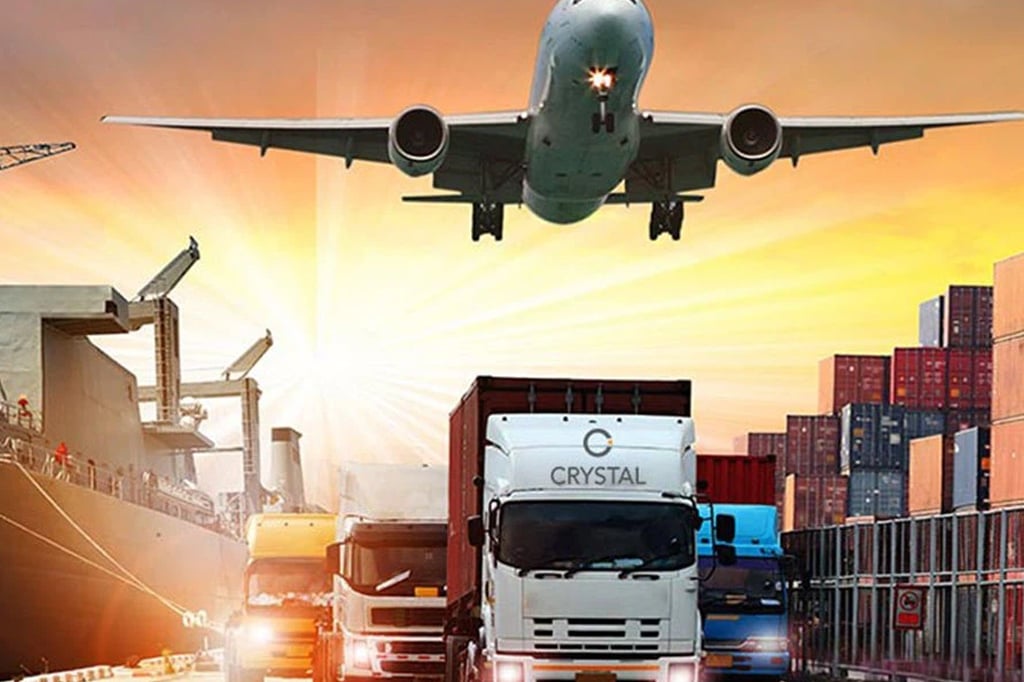
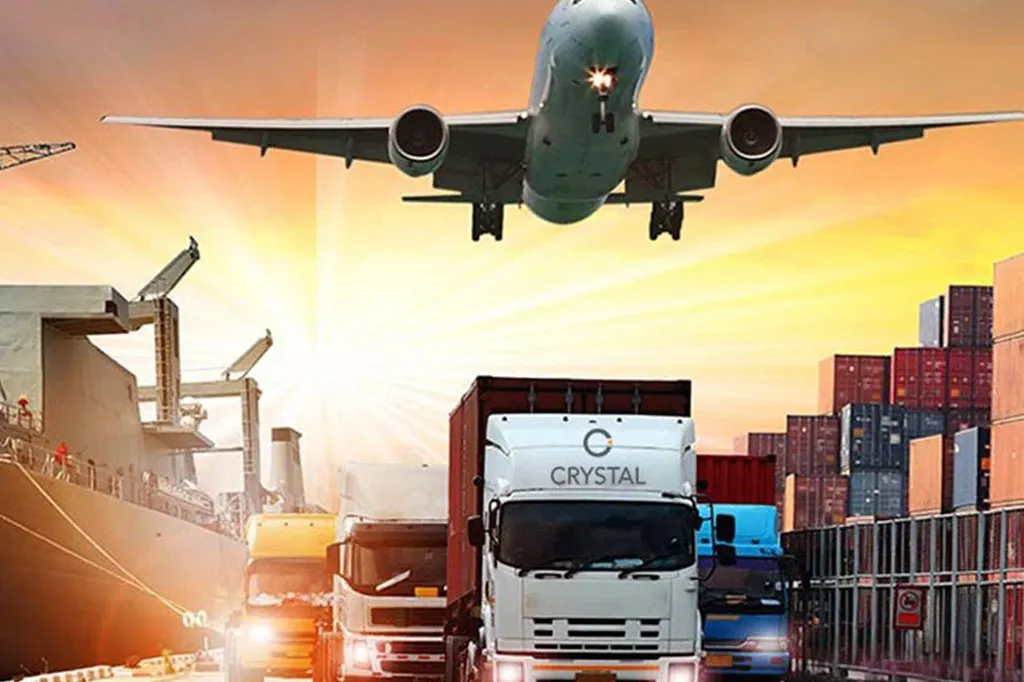
Selecting the optimal shipping method from China to USA is critical for B2B importers managing supply chains. This choice directly impacts cost, delivery speed, and reliability. Three primary options—ocean freight, air freight, and express courier services—offer distinct advantages based on cargo volume, urgency, and operational priorities.
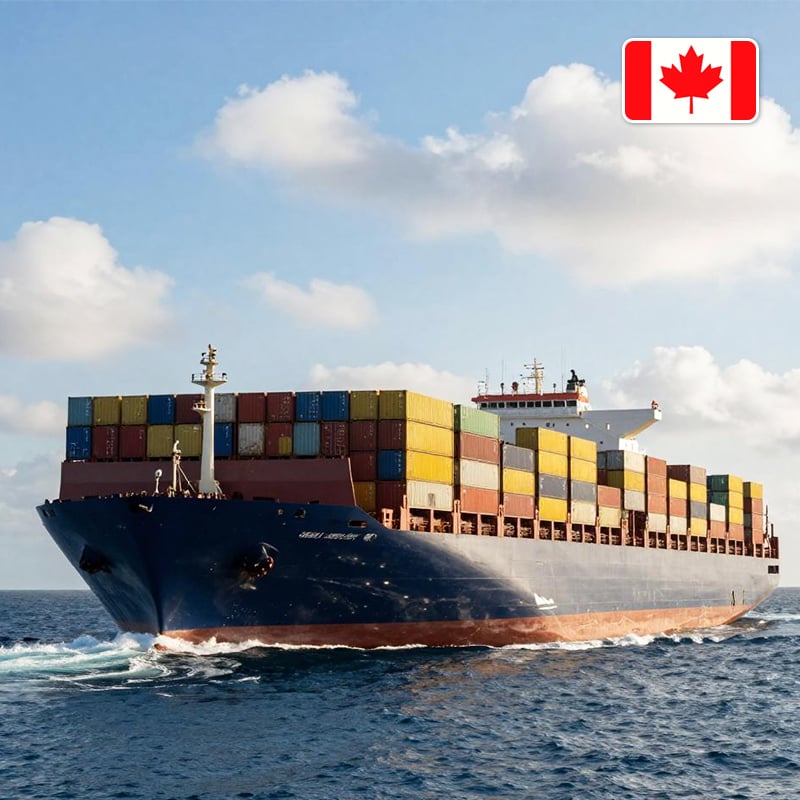
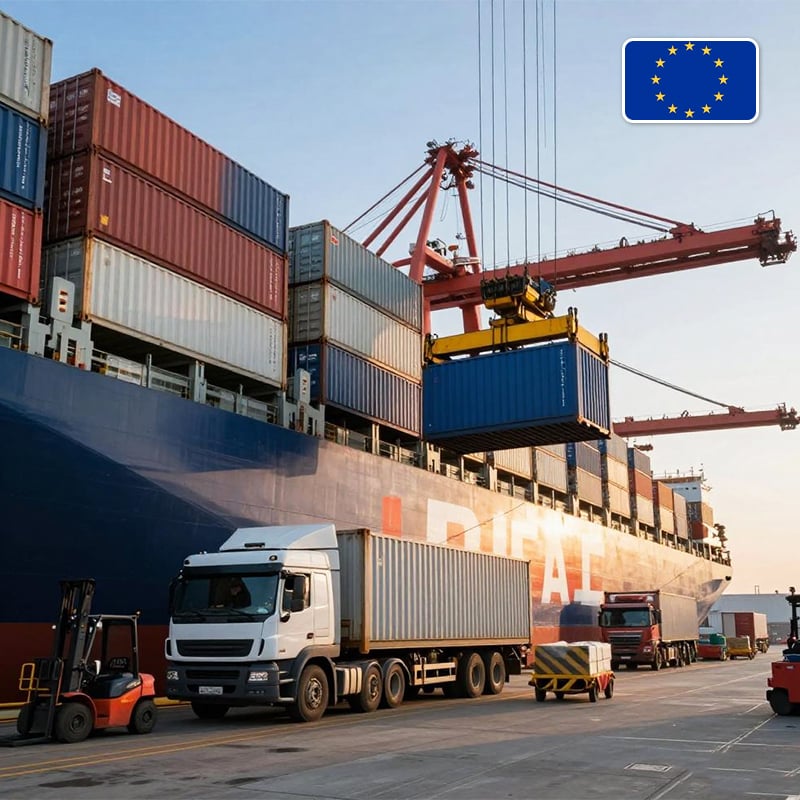
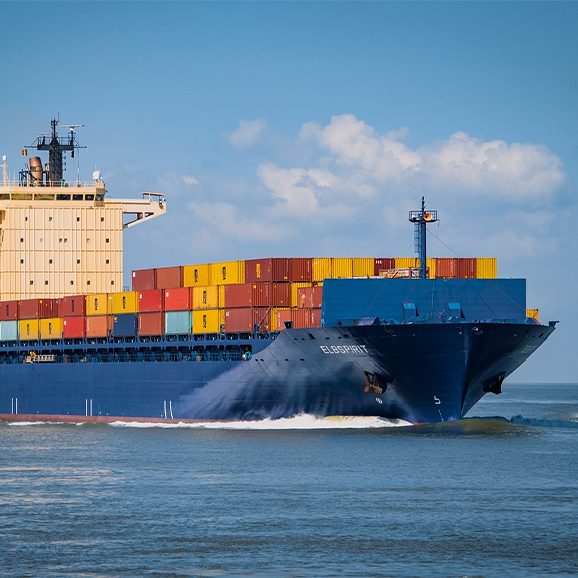
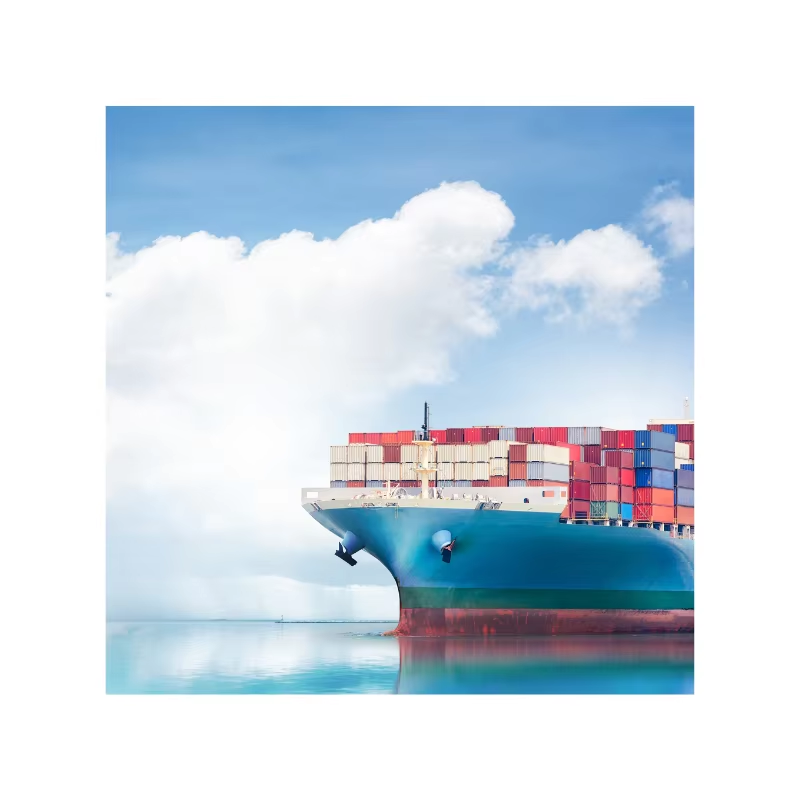
Ocean freight remains the most economical solution for large-volume, non-time-sensitive shipments. Rates for a standard 40-foot container typically range from $2,000–$5,000, making it 60–85% cheaper per kilogram than air freight. Full Container Load (FCL) is ideal when shippers fill an entire container, minimizing handling risks and simplifying documentation. For smaller consignments under 15 CBM, Less than Container Load (LCL) offers flexibility through consolidation—though shared space extends transit time by 5–10 days compared to FCL.
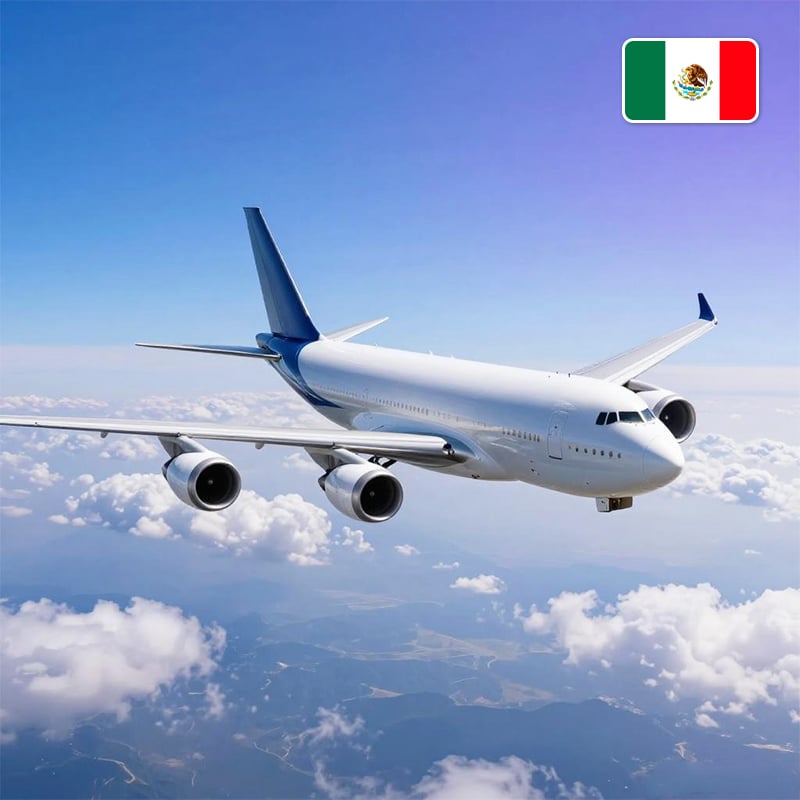
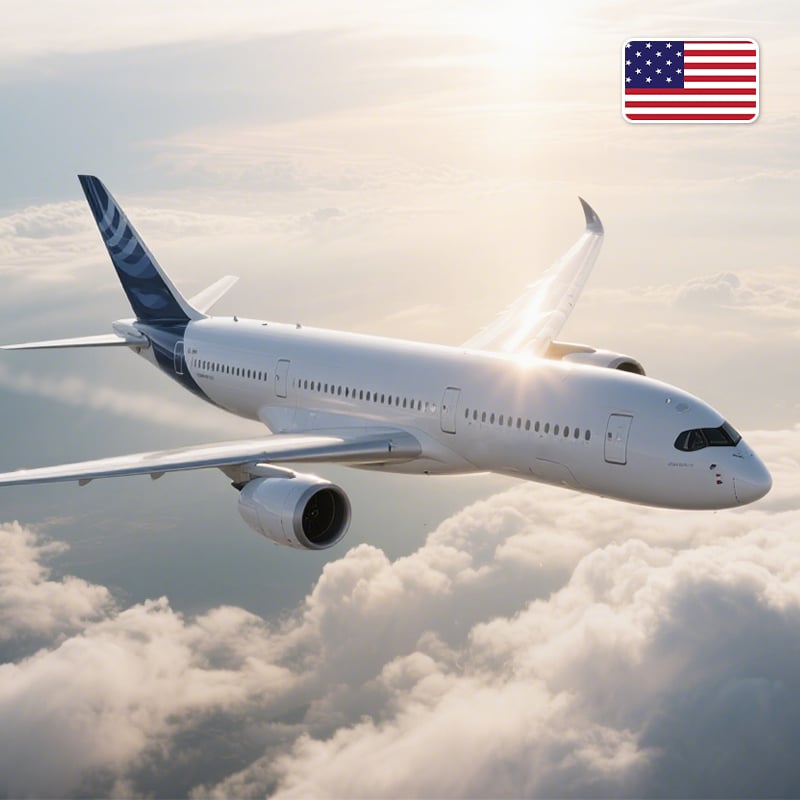
Air freight delivers goods from major Chinese hubs like Shanghai or Shenzhen to U.S. gateways such as Los Angeles or Chicago in just 3–7 days—dramatically faster than ocean’s 20–40 day window. It’s especially suited for high-value electronics, pharmaceuticals, or seasonal inventory where timing affects revenue. Major carriers maintain over 95% on-time performance on key routes, and controlled cabin environments support temperature- or shock-sensitive cargo. While average rates fall between $4–$8/kg, costs can spike during peak seasons due to capacity constraints and fuel surcharges.
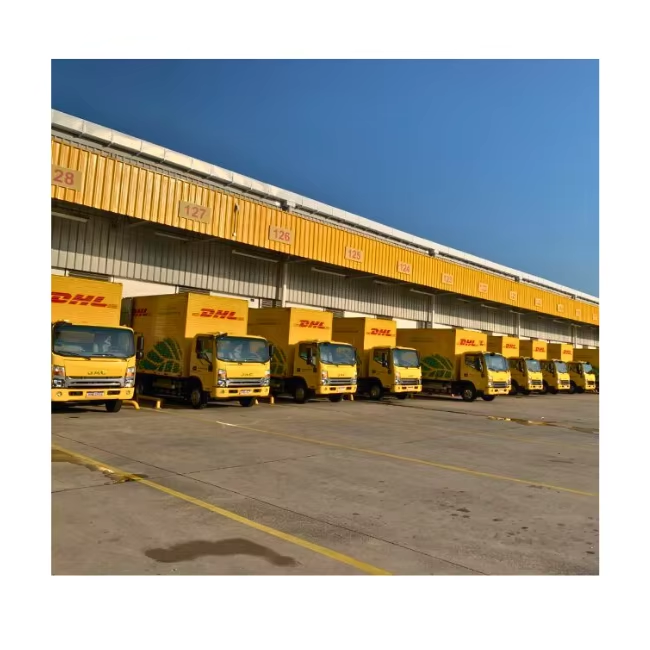
For shipments under 70 kg, global couriers like FedEx and DHL provide end-to-end logistics—including pickup, customs clearance, and last-mile delivery—in 2–5 business days. Their integrated digital platforms offer real-time tracking and proactive issue resolution. Prepaid duty options (DDU/DDP Incoterms®) reduce compliance complexity, while bundled services eliminate terminal handling fees and LCL-style consolidation delays. Though per-kg pricing exceeds standard air freight, the total landed cost often proves competitive when factoring in speed, visibility, and reduced administrative overhead.

Clearing U.S. Customs is a pivotal—and potentially disruptive—step in any China-to-USA shipment. Errors in classification or documentation risk delays, penalties, or seizure. Success hinges on two interdependent pillars: precise product classification and consistent, complete paperwork.
Every imported product must be assigned a 10-digit Harmonized System (HS) code—the foundation for determining duty rates, eligibility for trade programs, and regulatory requirements. Misclassification can trigger audits, retroactive duties, or exclusion from preferential tariffs. The official U.S. Harmonized Tariff Schedule (HTSUS) is the authoritative source for duty rates, but nuanced interpretations often require expertise. Engaging a licensed customs broker not only ensures accuracy but also leverages their familiarity with CBP enforcement trends and classification rulings.
U.S. Customs and Border Protection mandates three core documents for every entry:
Consistency across all three documents—especially in commodity descriptions and declared values—is essential to avoid requests for information (RFIs), holds, or liquidated damages.
Strategic decision-making around responsibility allocation and timing unlocks measurable savings and predictability in cross-Pacific logistics.
Incoterms® are internationally recognized rules that define exactly where risk, cost, and responsibility transfer between buyer and seller. Selecting the right term aligns contractual obligations with your operational strengths. For example:
Importers should match the chosen term to their internal capabilities: FOB empowers experienced logistics teams, while DDP suits those prioritizing hands-off execution—even if it means less visibility into landed cost components.
Timing significantly influences both cost and reliability. Chinese New Year (late January–early February) and the pre-holiday rush (September–November) strain global capacity—driving ocean rates up 30–50% and inflating air freight premiums. Concurrent congestion at U.S. West Coast ports compounds delays, with average dwell times rising by 2–4 days during peak periods. Proactive planning—such as booking ocean space 4–6 weeks ahead or scheduling shipments in lower-demand windows like February (post-CNY) or August—locks in better rates and improves schedule adherence. Integrating real-time port congestion data and building 7–10 day buffers into lead time calculations further strengthens resilience against unforeseen disruptions.
Ocean freight is the most economical choice for bulk shipments, particularly for cargo that is not time-sensitive. FCL offers better control and minimizes risks while LCL provides flexibility for smaller consignments.
Air freight generally takes 3–7 days to transport goods from China to the USA, compared to ocean freight, which takes 20–40 days depending on the route.
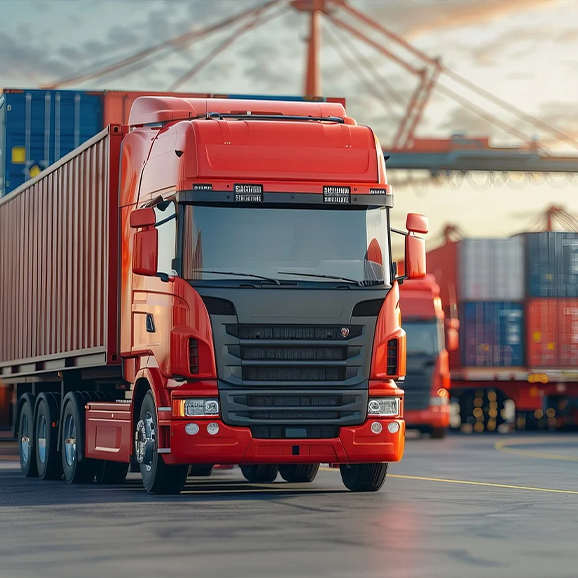
Express courier services like DHL or FedEx are ideal for small parcels under 70 kg that require fast delivery within 2–5 business days. These services simplify logistics and customs clearance.
Three key documents are required—commercial invoice, packing list, and bill of lading (or air waybill for air freight). Consistency in these documents helps avoid delays or penalties.
Incoterms® define the allocation of risks, costs, and responsibilities between buyers and sellers. FOB, CIF, and DDP each cater to different operational priorities and capabilities.
Proactive planning, such as booking shipments 4–6 weeks in advance, and scheduling during lower-demand months can help reduce costs and improve delivery reliability.
 Hot News
2024-11-15
2024-11-11
2024-11-06
2024-10-31
2024-10-28
2024-10-25
GES Oriental Global provides top-tier international freight forwarding services, specializing in Amazon, Walmart, express shipping, air, sea, truck, and China-Europe rail transport.
 EN
EN