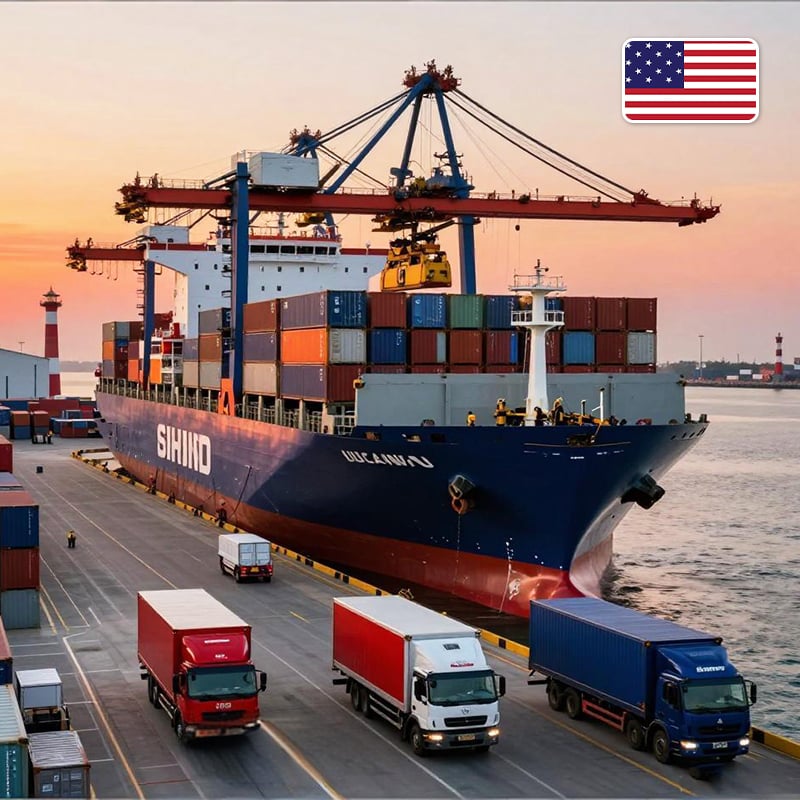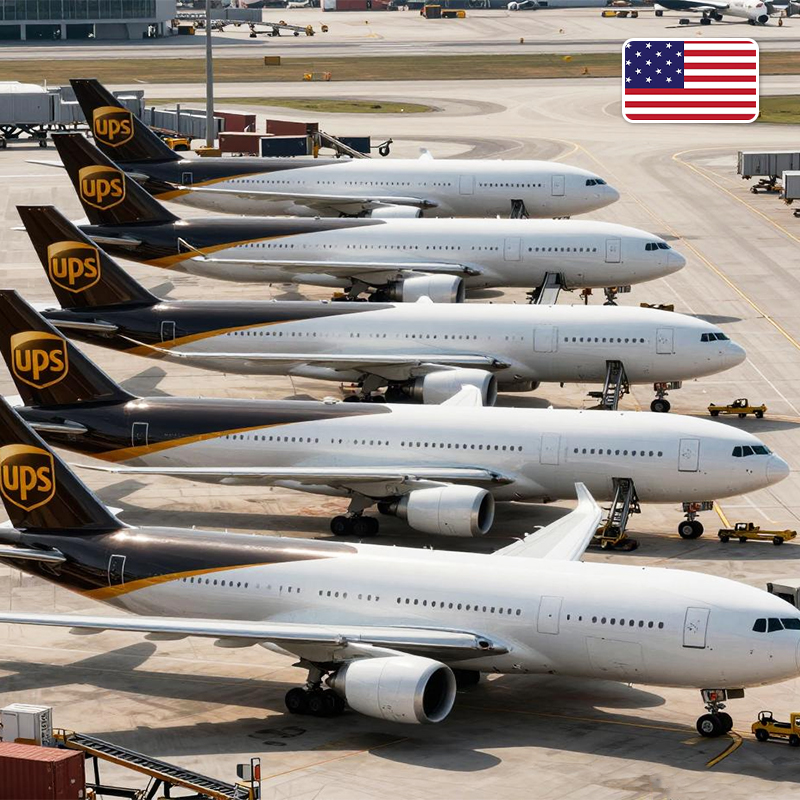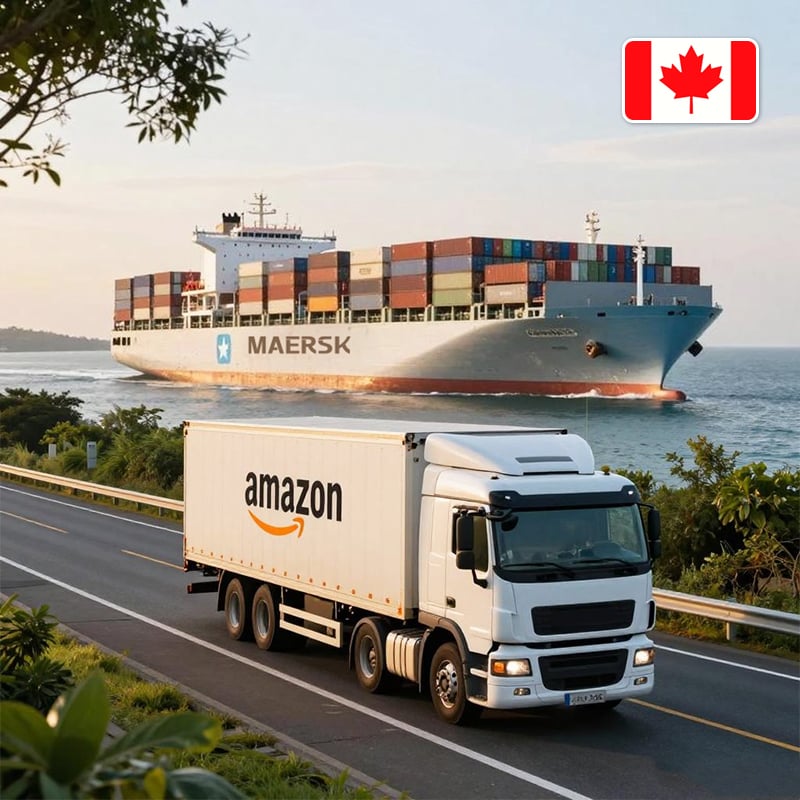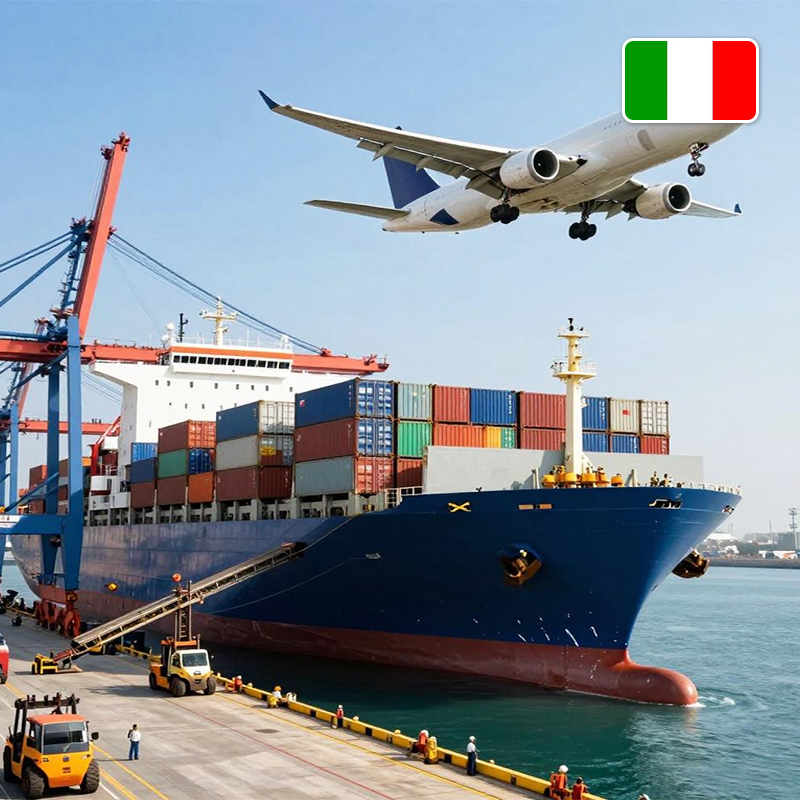
A Chinese forwarder holding AE0 (Authorized Economic Operator) certification—recognized globally by the World Customs Organization—meets stringent security, compliance, and financial standards. This status grants preferential treatment under China’s modernized customs regime, including inspection rates typically below 5% and priority processing at ports and airports. AE0-certified firms integrate seamlessly with China’s national “Single Window” digital platform, which automates documentation submission and data exchange across customs, quarantine, and tax authorities. For importers, this translates to customs clearance in hours—not days—reducing storage costs, avoiding demurrage, and safeguarding delivery schedules. The AE0 designation doesn’t bypass regulation; it streamlines it through verified reliability.
Local expertise in China’s key logistics hubs is non-negotiable for consistent speed and compliance. In Shanghai—the world’s busiest container port—forwarders must navigate high-volume congestion, complex commodity-specific quarantine protocols, and tight turnaround windows. Shenzhen, the epicenter of electronics exports, requires rapid air freight execution and precise verification of export licenses for dual-use or controlled technologies. Chengdu, a fast-growing inland hub, leverages bonded logistics parks and multimodal rail-air corridors—offering cost and time advantages for Central and Western European destinations. Forwarders with dedicated, on-site teams in each city pre-clear shipments using province-level regulatory insights, tailor documentation to local customs officers’ expectations, and resolve discrepancies in real time. This hyperlocal fluency—impossible to replicate remotely—cuts dwell time, prevents avoidable holds, and delivers predictable transit performance.
Chinese forwarders with entrenched relationships across major carrier networks—especially in Shanghai, Shenzhen, and Beijing—secure preferential air and ocean freight rates unavailable to individual shippers. These partnerships enable dynamic lane optimization, shared-resource consolidation (e.g., LCL pooling), and volume-based discounts backed by decades of institutional negotiation history. Unlike spot-market brokers, these forwarders continuously benchmark carrier performance across corridors—identifying regional carriers that deliver equivalent service levels at lower tariffs—and lock in stable, percentage-based discounts on both FCL and LCL shipments—even amid currency volatility. Their infrastructure presence at tier-one ports also accelerates document processing and gate turn times. The result is sustained cost efficiency without trade-offs in reliability, transit time, or service quality—critical advantages in today’s lean, high-stakes supply chains.
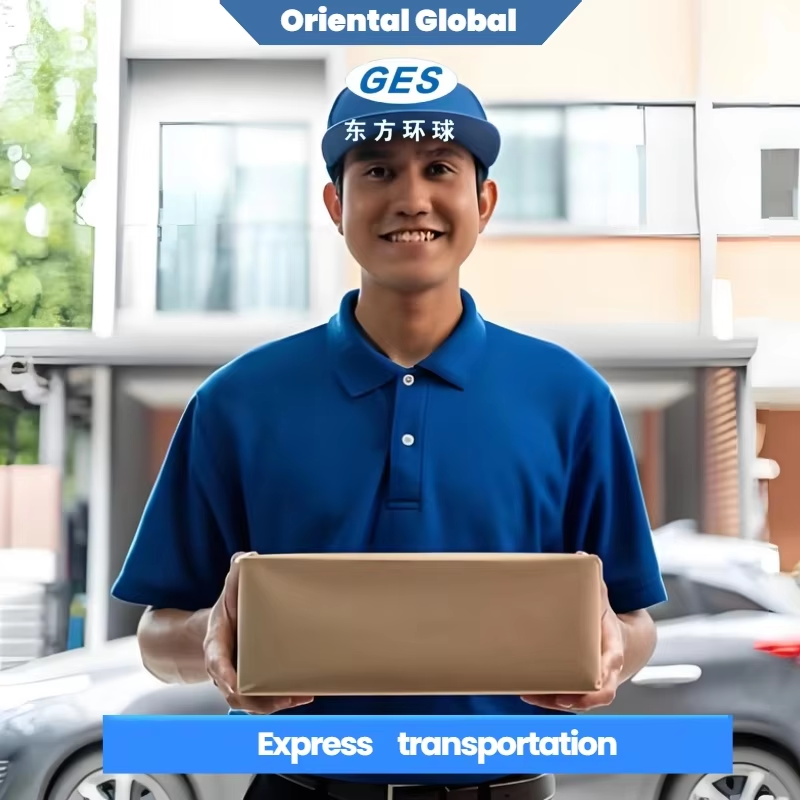
Leading Chinese forwarders unify fragmented logistics data into intuitive, single-source dashboards—tracking shipments from factory loading docks to final-mile delivery. Real-time GPS, IoT sensor feeds (including temperature, shock, and humidity logs), and AI-driven ETAs provide actionable visibility at every stage. When disruptions occur—whether port congestion, weather delays, or regulatory holdups—automated alerts trigger immediate response protocols. Complementing this transparency, integrated cargo insurance covers goods end-to-end in transit, eliminating the need for separate policies. Claims are processed locally in China through the forwarder’s direct underwriter relationships—cutting resolution time by up to 60% compared to international claims workflows. This bundled approach delivers resilience not as an add-on, but as a built-in layer: one accountable partner for both monitoring and mitigation.
Selecting the right Chinese forwarder demands scrutiny beyond marketing claims. First, verify active licensing—including MOFCOM registration and specialized permits for hazardous, pharmaceutical, or perishable cargo—to ensure full regulatory authority in China. Second, prioritize tech-enabled providers whose platforms offer live tracking, automated customs alerts, and API integrations with ERP or WMS systems—not just static portals. These forwarders leverage scale and carrier depth to negotiate competitive rates while delivering value-added services like consolidation, bonded warehousing, and last-mile coordination. Most critically, they combine formal credentials (AE0, ISO certifications, industry association membership) with demonstrable on-the-ground operational experience. That combination—regulatory mastery, digital agility, and localized execution—is what transforms a logistics vendor into a strategic extension of your supply chain team.
AE0 certification is an international status granted by the World Customs Organization. It ensures that forwarders meet stringent security, compliance, and financial standards, allowing them to enjoy expedited customs clearance and streamlined operations.
Local expertise ensures that forwarders can navigate region-specific challenges, such as quarantine protocols in Shanghai or export license verifications in Shenzhen, improving efficiency and reducing delays.
Through deep partnerships with carriers, Chinese forwarders negotiate preferential rates, optimize shipping lanes, consolidate resources, and achieve stable discounts for both FCL and LCL shipments.
Tech-enabled forwarders provide live tracking, automated alerts, and integrated platforms for seamless logistics management. This enhances real-time visibility and helps address disruptions quickly.
Integrated cargo insurance covers goods throughout transit and is processed locally in China through the forwarder's direct relationships with insurers, ensuring faster claim resolutions.
 Hot News
2024-11-15
2024-11-11
2024-11-06
2024-10-31
2024-10-28
2024-10-25
GES Oriental Global provides top-tier international freight forwarding services, specializing in Amazon, Walmart, express shipping, air, sea, truck, and China-Europe rail transport.

 EN
EN