Air Freighters: Fast Global Cargo Solutions

Get a Free Quote

Our representative will contact you soon.
Email
Name
Company Name
Message
0/1000

air freighters

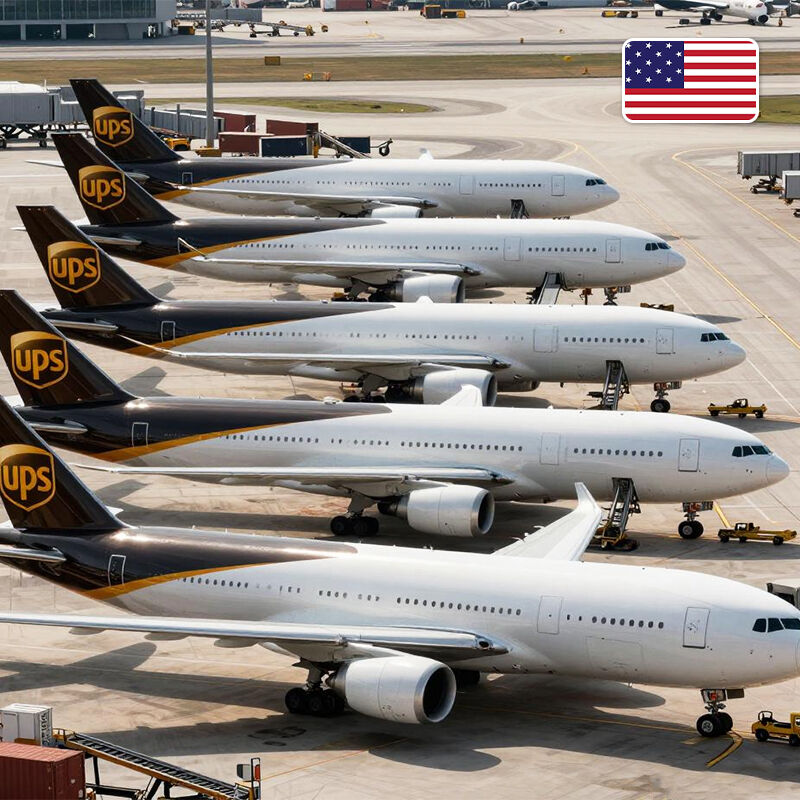
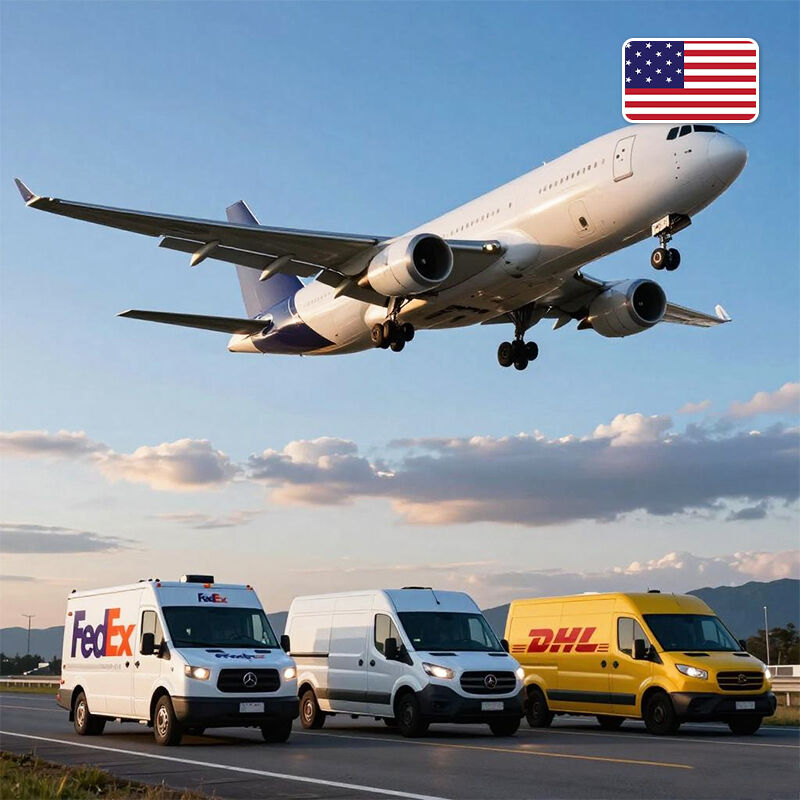
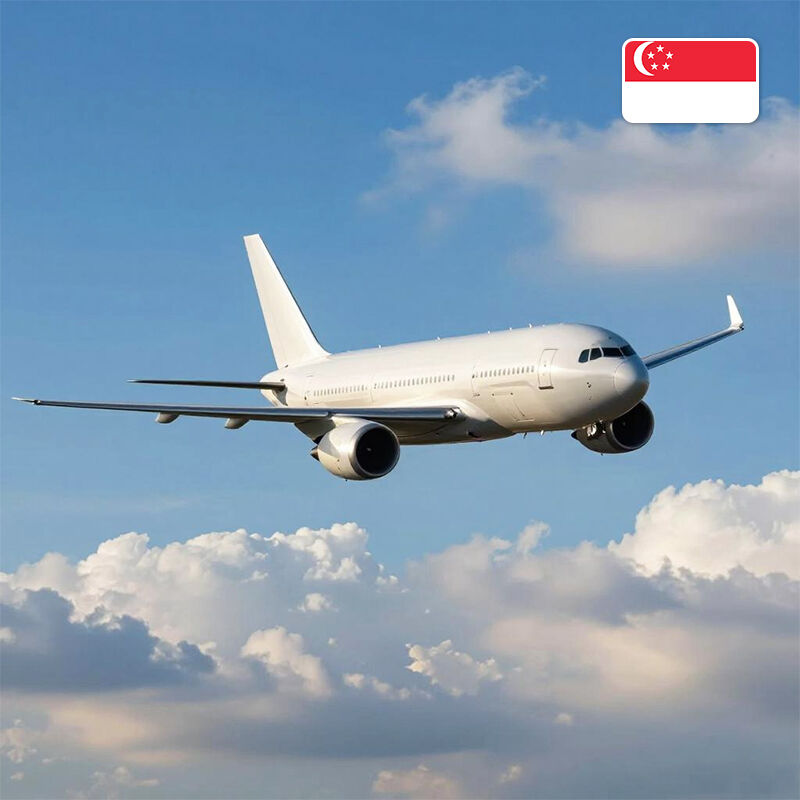
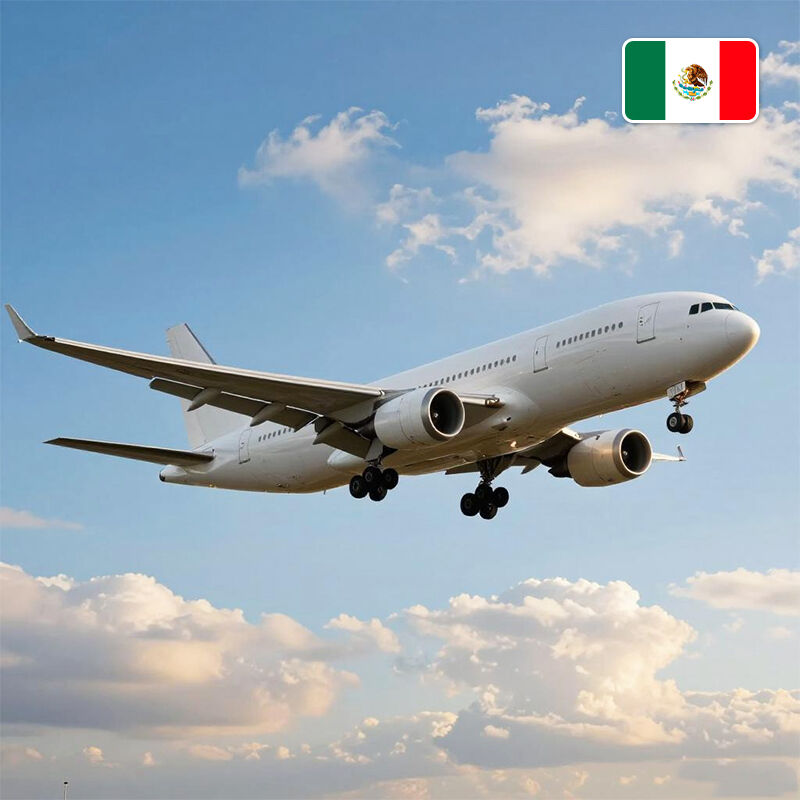
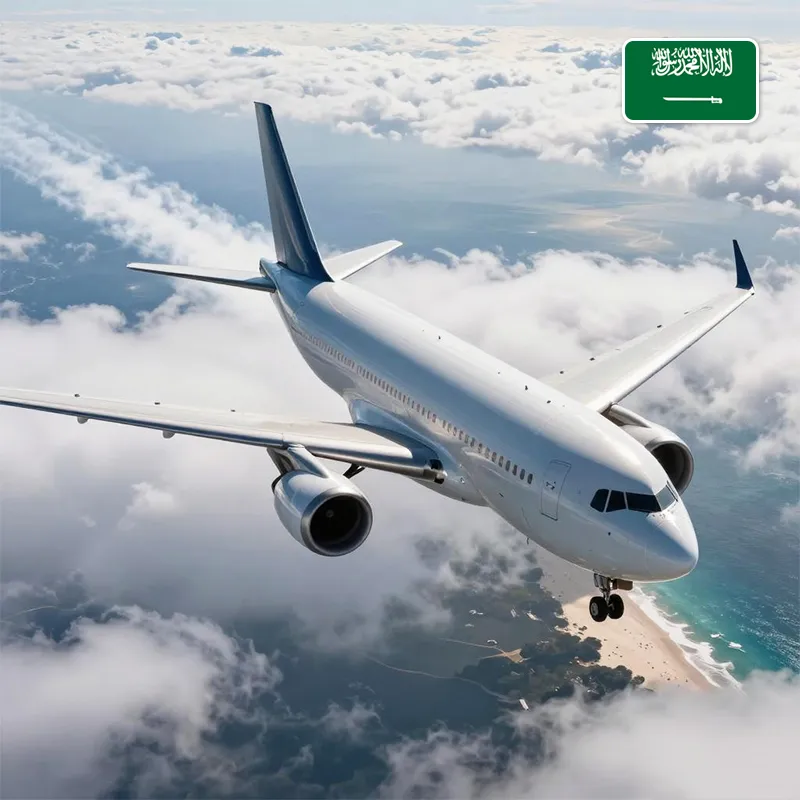
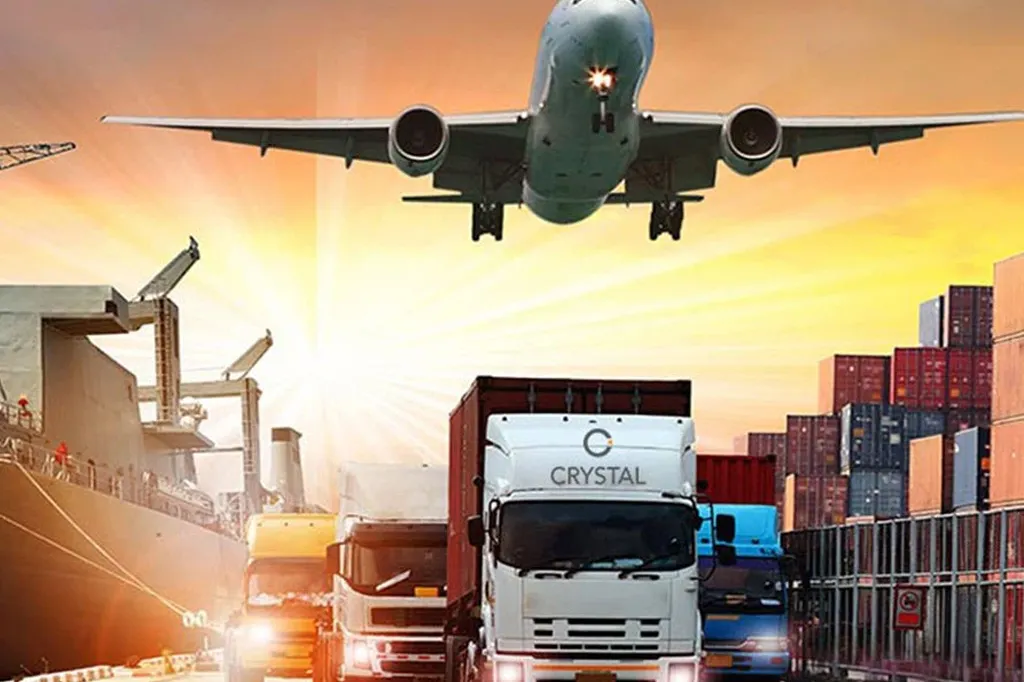
Air freighters are specialized aircraft designed exclusively for transporting cargo across domestic and international routes. Unlike passenger planes, these dedicated cargo aircraft feature reinforced floors, wide-body fuselages, and large cargo doors that facilitate efficient loading and unloading of freight. Air freighters play a crucial role in global supply chains by enabling rapid delivery of time-sensitive goods, perishable items, and high-value products. These aircraft come in various sizes, from smaller regional freighters to massive wide-body jets capable of carrying over 100 tons of cargo. Modern air freighters incorporate advanced navigation systems, fuel-efficient engines, and optimized aerodynamics to maximize payload capacity while minimizing operational costs. The main deck of air freighters is specifically configured to accommodate standardized cargo containers and pallets, ensuring seamless integration with ground handling equipment. Many air freighters are converted passenger aircraft that have been retrofitted with cargo-handling systems, while others are purpose-built from the ground up for freight operations. These aircraft serve diverse industries including e-commerce, pharmaceuticals, automotive, electronics, and perishable goods sectors. Air freighters enable businesses to maintain lean inventories, respond quickly to market demands, and reach distant markets within hours rather than days or weeks. With their ability to bypass congested ground transportation networks and access remote locations, air freighters have become indispensable tools for companies operating in today's fast-paced global marketplace.

Popular Products

Air freighters deliver unmatched speed compared to ocean or ground transportation, making them ideal for urgent shipments and time-critical deliveries. This velocity advantage allows businesses to reduce inventory holding costs and respond rapidly to customer demands. The reliability of air freighters ensures predictable delivery schedules, which helps companies plan production cycles and maintain customer satisfaction. Air freighters provide access to virtually any destination worldwide, including remote locations that lack developed road or rail infrastructure. This global reach enables businesses to expand their market presence and serve customers in emerging economies. The security level offered by air freighters surpasses other transportation modes, with controlled handling procedures and reduced transit times minimizing theft and damage risks. For high-value electronics, pharmaceuticals, and luxury goods, this security translates directly into lower insurance costs and reduced loss rates. Air freighters excel at transporting temperature-sensitive products such as fresh produce, flowers, and medical supplies that require rapid delivery to maintain quality. The flexibility of air freighters allows companies to scale capacity up or down based on seasonal demands or unexpected market changes. Modern air freighters incorporate fuel-efficient technologies that reduce environmental impact while maintaining operational efficiency. The cost-effectiveness of air freighters becomes apparent when considering the total logistics picture, including reduced warehousing needs, lower inventory costs, and minimized product obsolescence. Businesses using air freighters gain competitive advantages through faster market entry, improved customer service, and enhanced supply chain responsiveness. The documentation and tracking systems associated with air freighters provide real-time visibility into shipment status, enabling proactive management of potential delays or issues.

Tips And Tricks

Sea Transport: The Pillar of Global Supply Chains

07

Nov

Sea Transport: The Pillar of Global Supply Chains

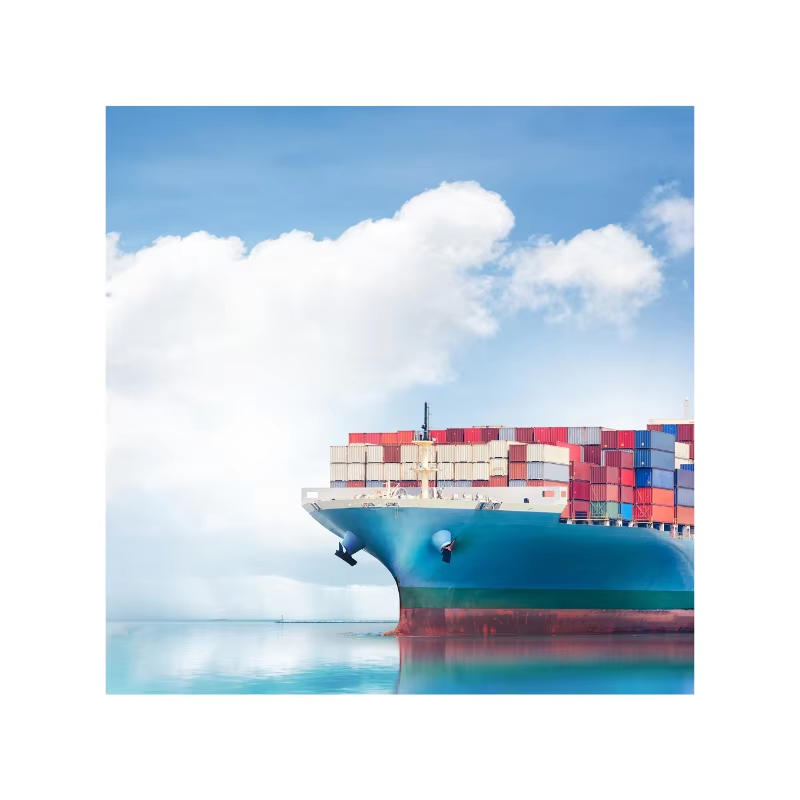
GES Oriental Global offers reliable sea transport services, ensuring secure and timely delivery across oceans. We specialize in global shipping for e-commerce and traditional trade.
View More
Shipping Terms You Should Know as a Global Business

22

Nov

Shipping Terms You Should Know as a Global Business

GES Oriental Global simplifies global trade with expert shipping term guidance and diverse logistics services.
View More
Tracking Shipments: Why Real-Time Visibility Matters

20

Dec

Tracking Shipments: Why Real-Time Visibility Matters

GES Oriental Global offers advanced real-time tracking solutions for shipments, enhancing supply chain efficiency and customer transparency.
View More
Application of intelligent warehousing systems in logistics

26

Jan

Application of intelligent warehousing systems in logistics

Explore intelligent warehousing solutions that use AI, IoT, and automation to boost productivity, accuracy, and scalability in logistics and supply chain management.
View More

Get a Free Quote

Our representative will contact you soon.
Email
Name
Company Name
Message
0/1000

air freighters

Specialized Cargo Configuration and Capacity

Specialized Cargo Configuration and Capacity

Air freighters feature purpose-built cargo holds designed to maximize volumetric efficiency and weight capacity. The main deck is equipped with roller systems and locking mechanisms that secure standardized Unit Load Devices, pallets, and containers during flight. These aircraft typically offer nose-loading or side-loading capabilities through oversized cargo doors that accommodate bulky or irregularly shaped freight. The reinforced flooring can withstand the concentrated weight of heavy machinery, automotive parts, and industrial equipment. Climate control systems maintain precise temperature and humidity levels for sensitive cargo such as pharmaceuticals, perishable foods, and live animals. Advanced air freighters incorporate adjustable compartments that can be reconfigured based on specific shipment requirements, providing operational flexibility for carriers. The cargo capacity of modern air freighters ranges from 20 tons in smaller regional aircraft to over 140 tons in the largest wide-body freighters. This scalability allows logistics providers to match aircraft size with shipment volume, optimizing operational costs. The quick-change capability of some air freighters enables conversion between passenger and cargo configurations within hours, maximizing asset utilization during peak demand periods.
Advanced Navigation and Safety Systems

Advanced Navigation and Safety Systems

Modern air freighters incorporate cutting-edge avionics and navigation technology that enhances flight safety and operational efficiency. GPS-based navigation systems enable precise routing and fuel optimization, reducing operational costs while maintaining schedule reliability. Automated flight management systems monitor engine performance, weather conditions, and air traffic, making real-time adjustments to ensure safe and efficient operations. Air freighters feature redundant communication systems that maintain constant contact with ground control and logistics coordination centers, providing visibility throughout the transportation chain. Enhanced Ground Proximity Warning Systems and Traffic Collision Avoidance Systems protect against navigation hazards during takeoff, flight, and landing operations. The latest air freighters utilize predictive maintenance technologies that monitor component health and alert operators to potential issues before they cause delays or safety concerns. Advanced weather radar and turbulence detection systems allow pilots to navigate around adverse conditions, protecting cargo from damage and ensuring on-time delivery. Fire suppression systems specifically designed for cargo holds provide additional safety layers for diverse freight types. These comprehensive safety features reduce insurance costs, minimize cargo damage claims, and enhance the overall reliability of air freight operations for shippers and customers alike.
Environmental Efficiency and Sustainability

Environmental Efficiency and Sustainability

Contemporary air freighters incorporate environmentally conscious technologies that reduce fuel consumption and emissions per ton of cargo transported. New-generation engines feature improved fuel efficiency through advanced combustion designs and lightweight composite materials that decrease overall aircraft weight. Aerodynamic enhancements including winglets and optimized fuselage designs reduce drag, lowering fuel burn rates during cruise flight. Air freighters increasingly utilize sustainable aviation fuels derived from renewable sources, cutting lifecycle carbon emissions compared to traditional jet fuel. Operational practices such as continuous descent approaches and optimized flight planning minimize fuel waste during landing and routing. The fuel efficiency improvements in modern air freighters translate directly into lower operating costs for carriers and reduced environmental footprints for shippers committed to sustainability goals. Noise reduction technologies including engine chevrons and acoustic linings minimize community impact around airports, enabling expanded operating hours for night freight operations. Many air freighters participate in carbon offset programs and emissions trading schemes that support environmental conservation projects. The concentration of cargo in fewer flights compared to smaller aircraft reduces overall aviation emissions per shipment, making air freighters an increasingly sustainable choice for time-sensitive logistics needs in global supply chains.