Airline Freight: Fast Global Shipping Solutions

Get a Free Quote

Our representative will contact you soon.
Email
Name
Company Name
Message
0/1000

airline freight

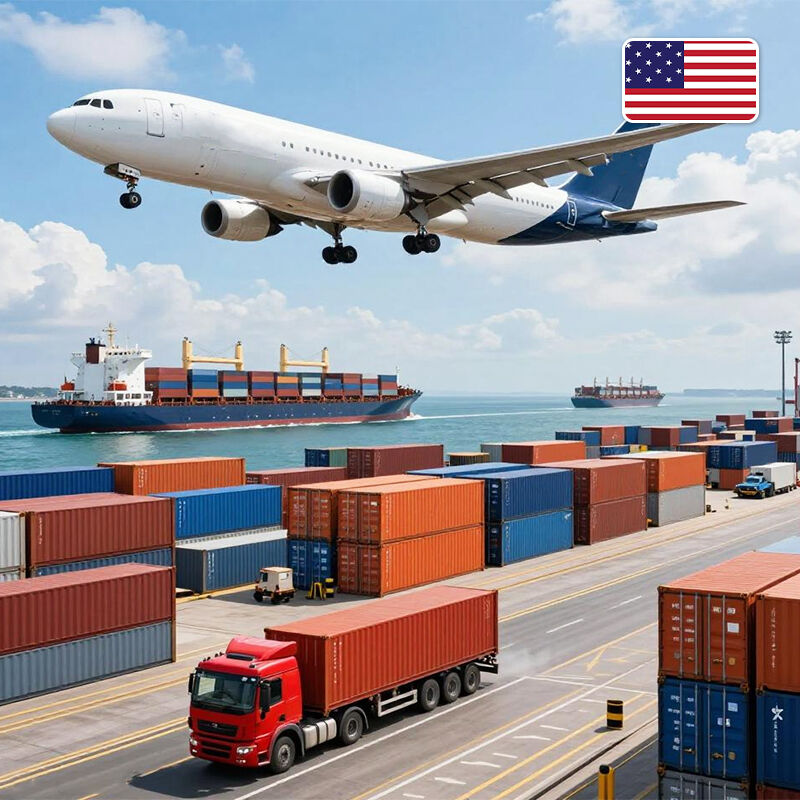
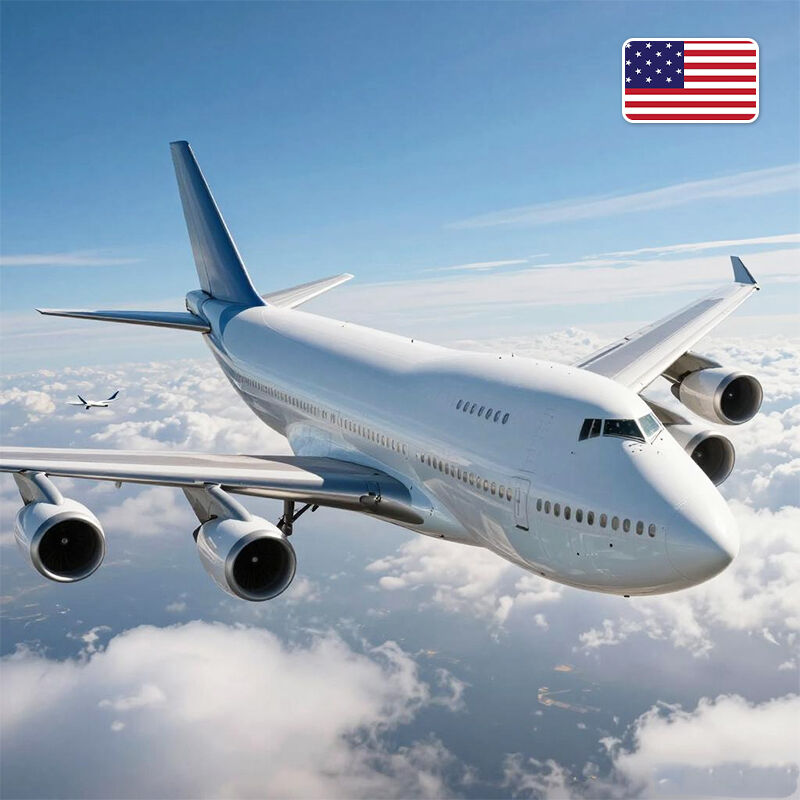
Airline freight, also known as air cargo, represents a vital logistics solution that enables businesses to transport goods quickly and efficiently across domestic and international destinations. This specialized shipping method utilizes passenger and dedicated cargo aircraft to move merchandise, ranging from small packages to oversized equipment. The main function of airline freight is to provide rapid delivery services for time-sensitive shipments, ensuring products reach their destinations within hours or days rather than weeks. Technological features include advanced tracking systems that offer real-time shipment visibility, temperature-controlled environments for perishable goods, and sophisticated cargo management software that optimizes routing and capacity utilization. Modern airline freight services incorporate automated handling systems, barcode scanning, and digital documentation to streamline operations and reduce errors. Applications span numerous industries including pharmaceutical companies shipping vaccines, e-commerce businesses delivering consumer goods, automotive manufacturers transporting spare parts, and fashion retailers moving seasonal collections. The aerospace sector, electronics industry, and fresh produce exporters also rely heavily on airline freight to maintain supply chain continuity. With global connectivity through extensive airline networks, this shipping mode connects manufacturers to markets worldwide, supporting international trade and enabling just-in-time inventory strategies that reduce warehousing costs and improve cash flow management.

New Products

Choosing airline freight delivers significant speed advantages, as air transportation drastically reduces transit times compared to ocean or ground shipping, enabling businesses to respond quickly to market demands and urgent customer requirements. This velocity translates directly into competitive advantages, allowing companies to capitalize on seasonal opportunities and fulfill emergency orders efficiently. The reliability factor stands out prominently, with scheduled flights operating on consistent timetables that provide predictable delivery windows, helping businesses plan inventory management and production schedules with greater confidence. Security measures implemented throughout airline freight operations protect valuable cargo through controlled access facilities, surveillance systems, and chain-of-custody documentation that minimizes theft and damage risks. Insurance costs typically decrease due to shorter transit durations and reduced handling touchpoints, creating financial savings that offset premium shipping rates. Global reach represents another practical benefit, as airline freight connects virtually every major commercial center worldwide, providing access to emerging markets and established trading partners without geographic limitations. Reduced packaging requirements emerge from shorter journey times and careful handling protocols, lowering material costs and environmental impact. Inventory carrying costs decrease substantially when businesses leverage airline freight for just-in-time delivery, freeing working capital previously tied up in excessive stock levels. The flexibility offered by airline freight accommodates varying shipment sizes from small parcels to full charter loads, scaling services to match specific business needs. Documentation processes have evolved digitally, simplifying customs clearance and reducing administrative burdens while accelerating border crossings that traditionally delay other transport modes.

Latest News

We Will Promote Innovation In The System Of Special Customs Supervision Zones

13

Jun

We Will Promote Innovation In The System Of Special Customs Supervision Zones

View More
Bangkok, Thailand Hosted The 8th GLA Global Logistics Business Conference

13

Jun

Bangkok, Thailand Hosted The 8th GLA Global Logistics Business Conference

View More
Sea Transport: The Pillar of Global Supply Chains

07

Nov

Sea Transport: The Pillar of Global Supply Chains

GES Oriental Global offers reliable sea transport services, ensuring secure and timely delivery across oceans. We specialize in global shipping for e-commerce and traditional trade.
View More
How to Ensure Safe Packaging for International Shipments

17

Dec

How to Ensure Safe Packaging for International Shipments

Ensure safe packaging for international shipments with GES Oriental Global, specializing in secure, compliant solutions for air, ocean, and land transport.
View More

Get a Free Quote

Our representative will contact you soon.
Email
Name
Company Name
Message
0/1000

airline freight

Unmatched Speed for Time-Critical Deliveries

Unmatched Speed for Time-Critical Deliveries

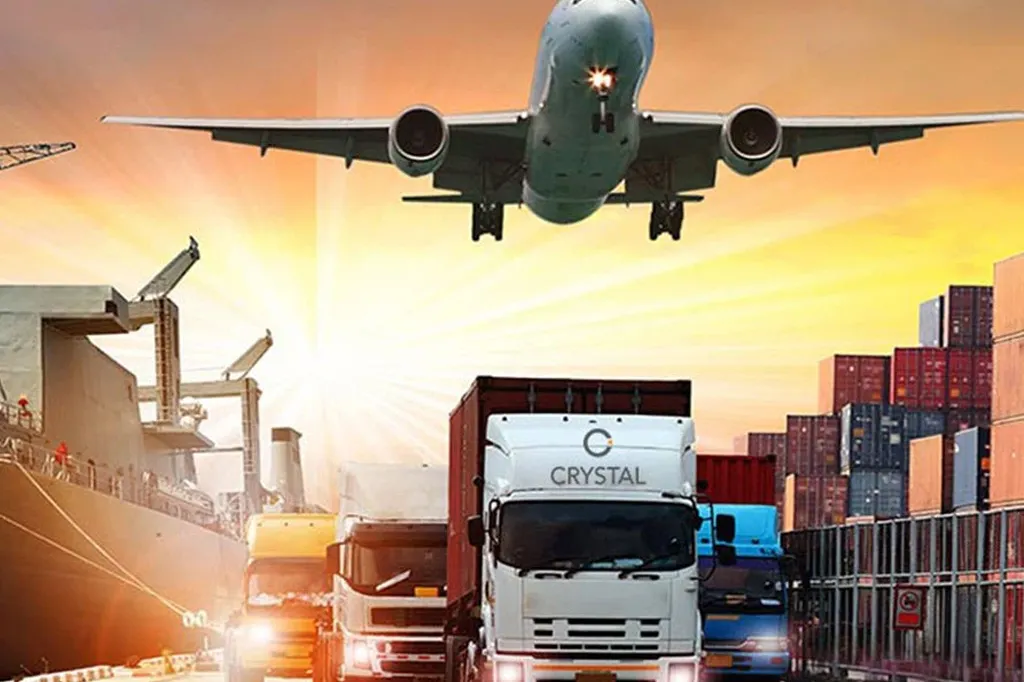
Airline freight excels in providing the fastest commercial transportation option available for moving goods between distant locations, making it indispensable for businesses facing tight deadlines or handling perishable merchandise. When medical facilities require life-saving pharmaceuticals, electronics manufacturers need components to prevent production line shutdowns, or retailers must replenish hot-selling items before losing sales momentum, airline freight delivers solutions that ground and sea transportation cannot match. The time savings become particularly valuable when considering opportunity costs associated with delayed shipments, including lost revenue, dissatisfied customers, and damaged business relationships. Modern airline freight operations coordinate seamlessly with ground transportation networks, creating door-to-door service that maintains speed advantages throughout the entire supply chain. Express services offer overnight delivery options for domestic shipments and rapid international connections through strategically located hub airports that facilitate efficient transfers. This speed capability transforms business models, enabling companies to operate with leaner inventories, respond dynamically to market fluctuations, and compete effectively in industries where timing determines success or failure.
Enhanced Cargo Security and Protection

Enhanced Cargo Security and Protection

Airline freight operations implement stringent security protocols that exceed standards found in other transportation modes, providing peace of mind for businesses shipping high-value or sensitive cargo. Airport facilities feature restricted access zones, comprehensive surveillance systems, and trained security personnel who monitor cargo movements continuously from acceptance through final departure. The controlled environment of airline freight handling reduces exposure to theft, tampering, and environmental damage that commonly affects shipments traveling longer routes through multiple transfer points. Specialized containers and pallets designed for aircraft use provide superior protection against shock, vibration, and temperature fluctuations during flight and ground handling operations. Documentation requirements create detailed chain-of-custody records that enhance accountability and facilitate insurance claims if incidents occur. For pharmaceutical products, electronics, precious metals, artwork, and other valuable commodities, airline freight offers security levels that justify premium pricing through reduced loss rates and lower insurance premiums. Regulatory compliance built into airline freight operations ensures shipments meet international safety standards, customs requirements, and industry-specific regulations, reducing legal risks and avoiding costly delays at border crossings.
Global Connectivity and Market Access

Global Connectivity and Market Access

Airline freight provides unparalleled access to international markets through extensive networks connecting thousands of airports across continents, enabling businesses of all sizes to participate in global commerce. This connectivity eliminates geographic barriers that historically limited trade opportunities, allowing manufacturers in remote locations to reach customers worldwide and retailers in established markets to source products from distant suppliers. Major airline freight operators maintain partnerships and alliances that create seamless connections between regional and international routes, simplifying logistics coordination for shippers using multiple carriers. Hub-and-spoke systems optimize routing efficiency, reducing transit times and costs while providing flexibility to adjust shipping routes based on capacity availability and service requirements. The infrastructure supporting airline freight includes specialized handling facilities, customs clearance services, and intermodal connections that integrate air transportation with trucking and rail networks for comprehensive door-to-door solutions. Emerging markets become accessible through airline freight services that establish new routes responding to trade growth, creating opportunities for businesses to expand customer bases and diversify supply chains. This global reach supports economic development by facilitating exports from developing nations and imports of essential goods to areas lacking local production capacity.