sea freight shipping
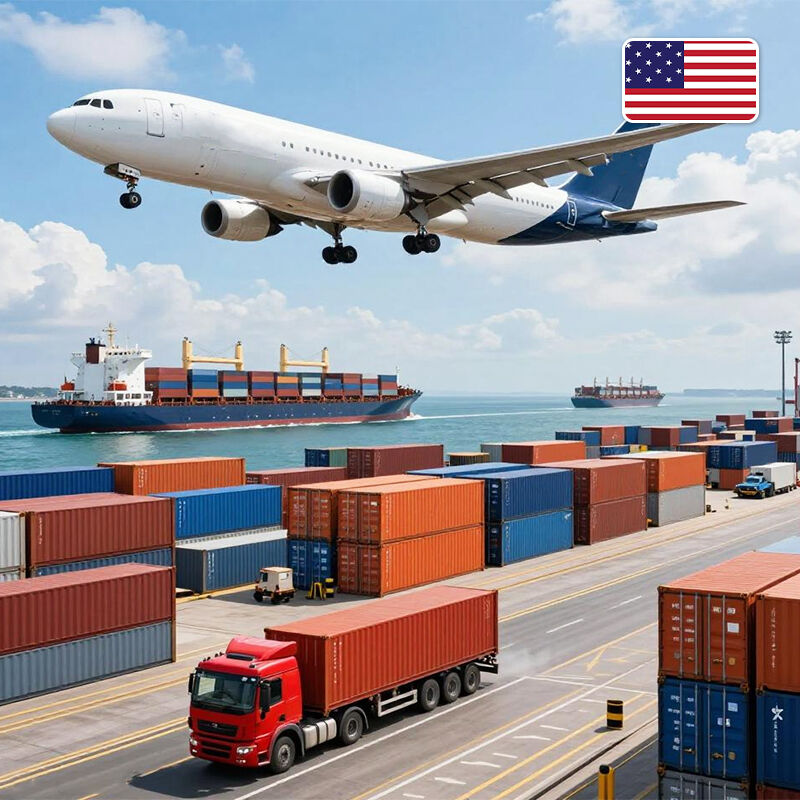
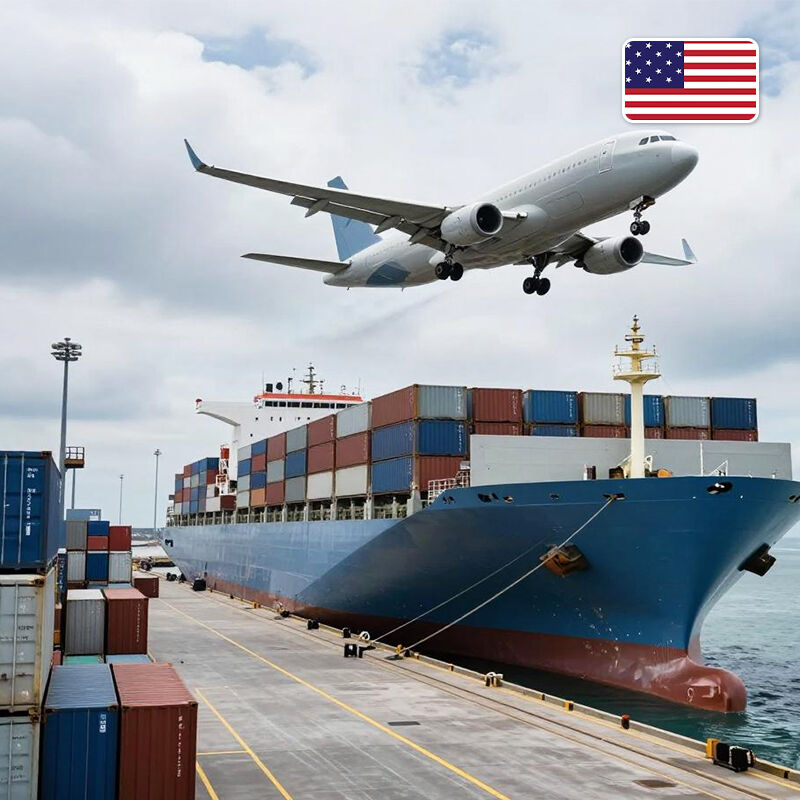
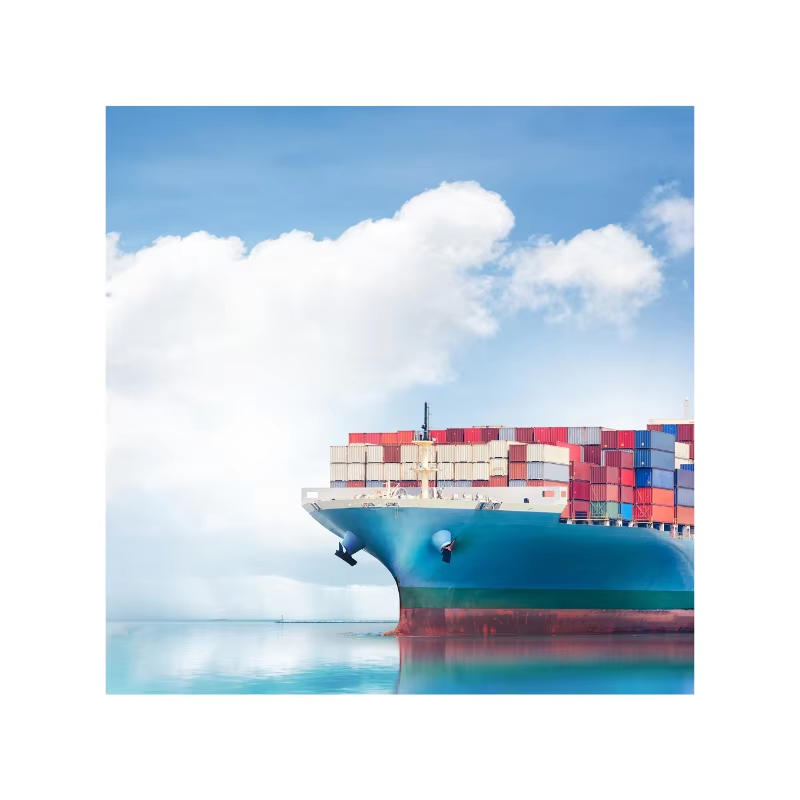
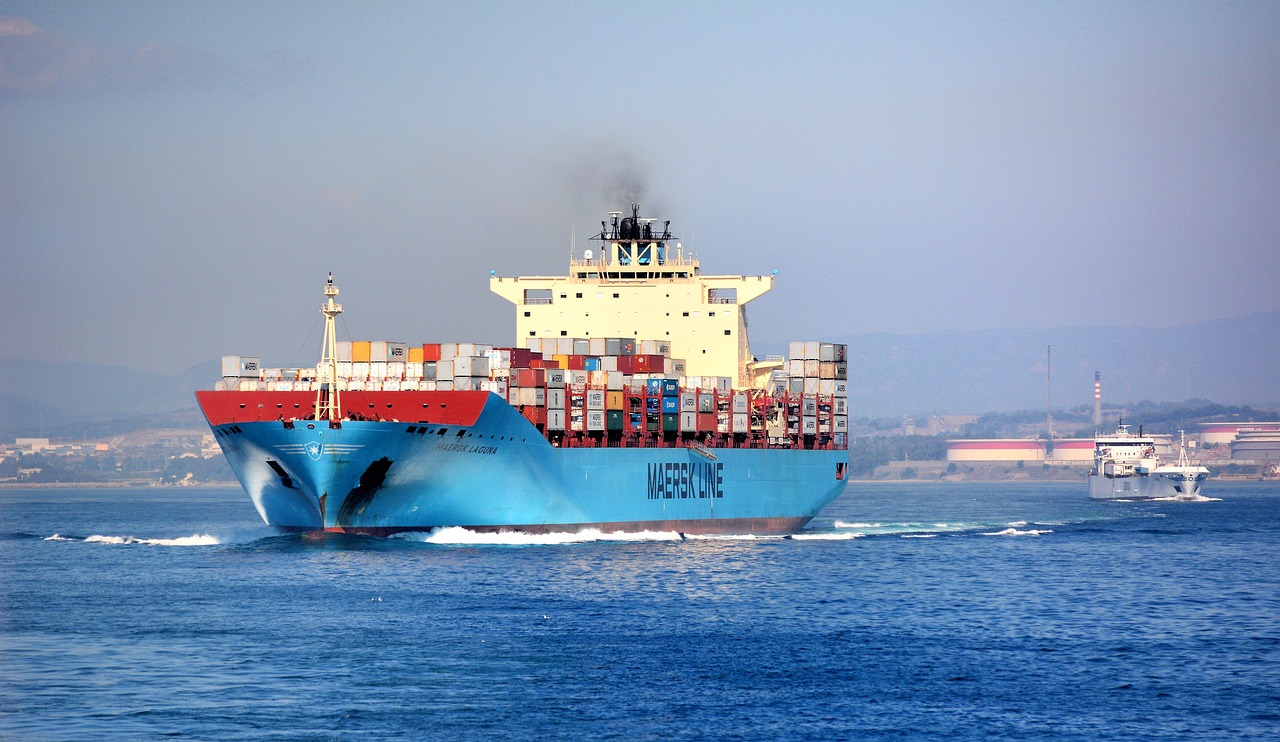
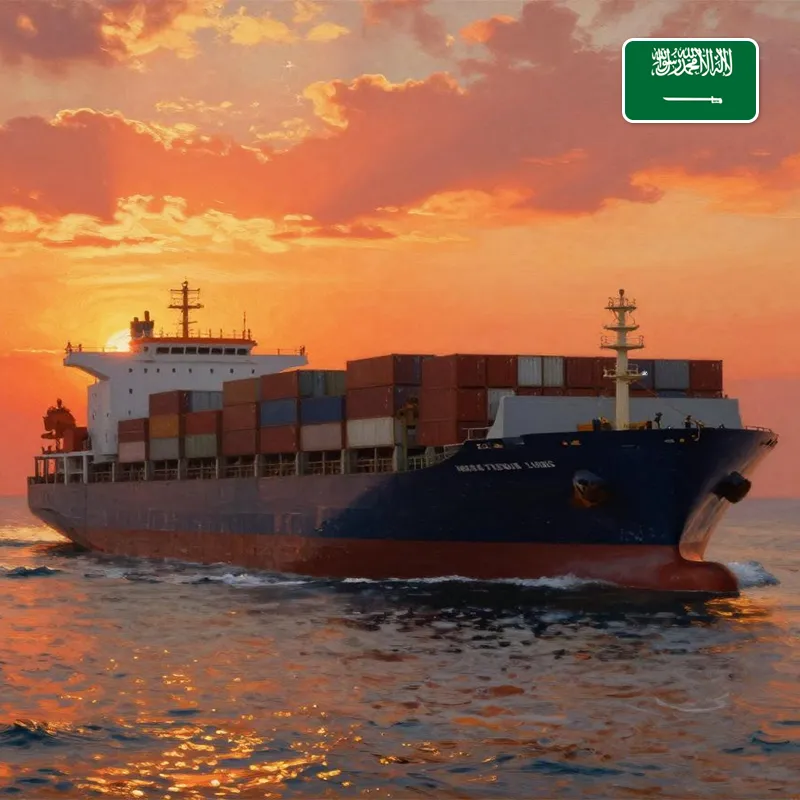
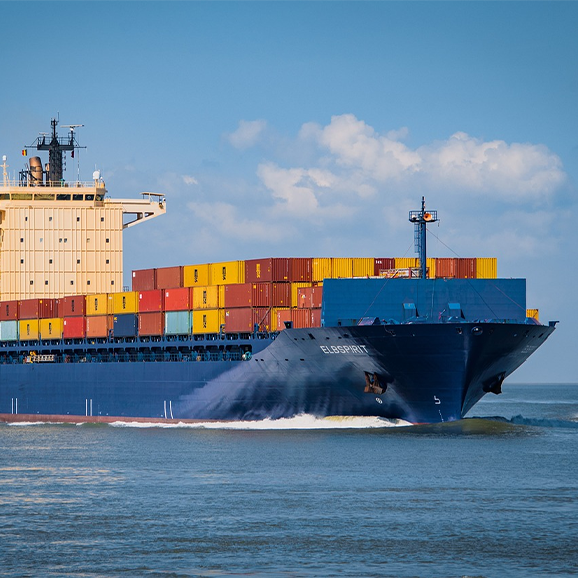
Sea freight shipping represents the backbone of global trade, moving approximately 90 percent of the world's goods across international waters. This transportation method involves the carriage of cargo via oceangoing vessels, including container ships, bulk carriers, and specialized freight vessels. Sea freight shipping serves as the primary logistics solution for businesses requiring cost-effective movement of large volumes of goods between continents. The main functions include transporting containerized cargo, bulk commodities, vehicles, heavy machinery, and oversized equipment that cannot be accommodated by air transport. Technological features have transformed sea freight shipping into a sophisticated operation, incorporating GPS tracking systems, automated cargo handling equipment, electronic documentation platforms, and real-time vessel monitoring. Modern container ships can carry over 20,000 twenty-foot equivalent units, demonstrating the massive scale of this industry. Applications span virtually every sector, from retail and manufacturing to agriculture and energy. Companies utilize sea freight shipping for importing raw materials, exporting finished products, and managing international supply chains. The service offers multiple options including Full Container Load for large shipments, Less than Container Load for smaller volumes, and specialized services for temperature-controlled, hazardous, or oversized cargo. Transit times vary based on routes and ports, typically ranging from two to eight weeks depending on origin and destination points.
 EN
EN