Sea Transportation: Global Shipping Solutions

Get a Free Quote

Our representative will contact you soon.
Email
Name
Company Name
Message
0/1000

sea transportation

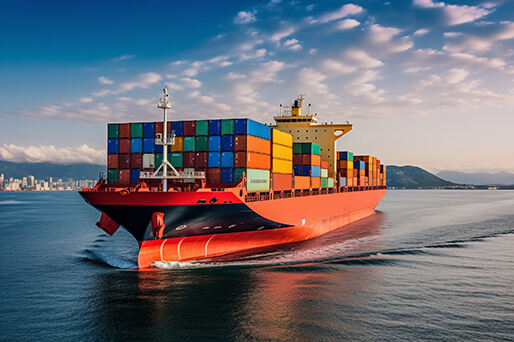
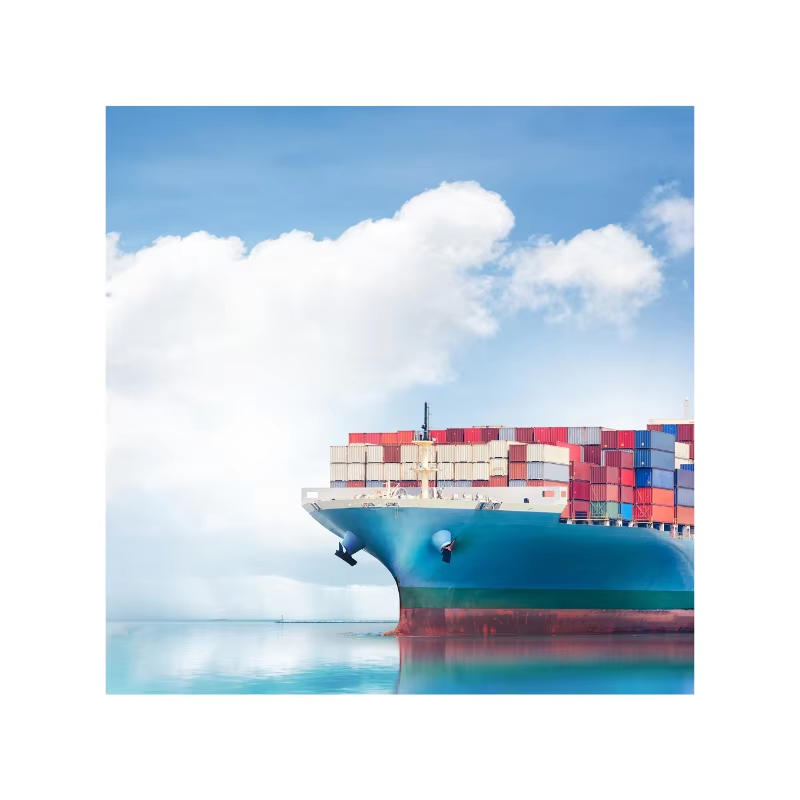
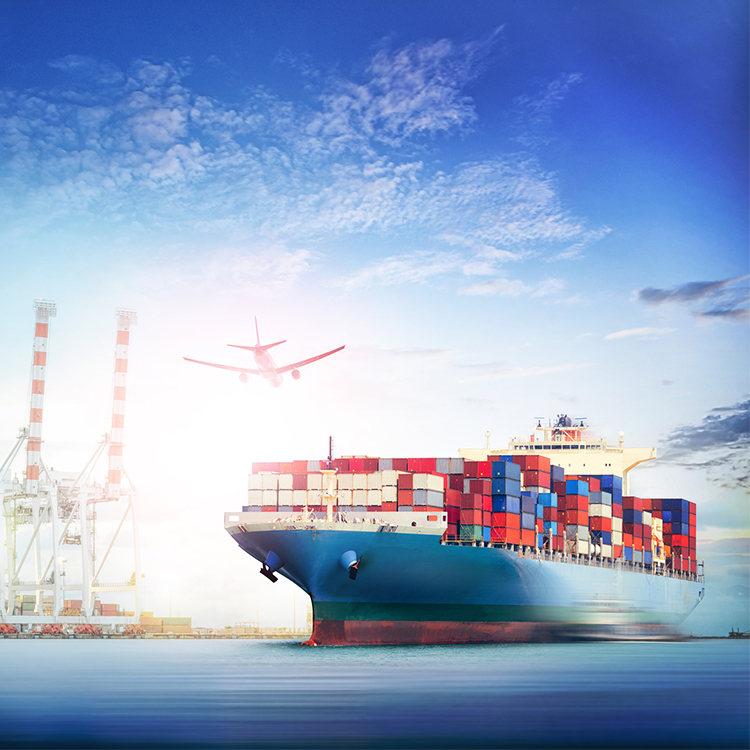
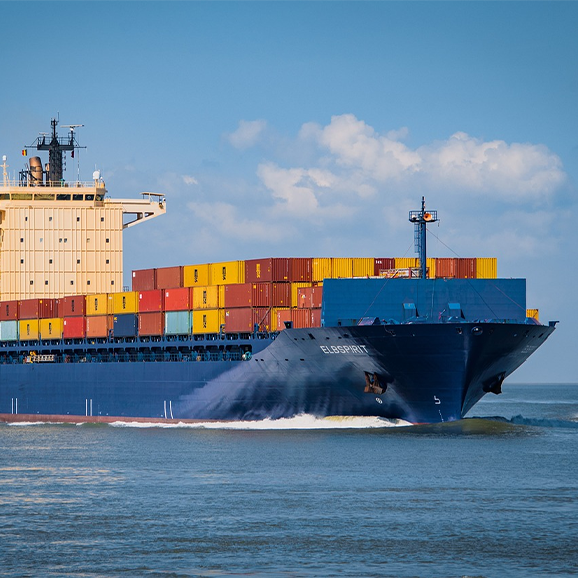
Sea transportation represents the backbone of global trade and commerce, facilitating the movement of approximately 90 percent of the world's goods across international waters. This maritime logistics method involves transporting cargo, commodities, and passengers via ships and vessels through oceanic routes, connecting continents and enabling international commerce. Sea transportation encompasses various vessel types including container ships, bulk carriers, tankers, and roll-on/roll-off ships, each designed for specific cargo requirements. The technological infrastructure supporting sea transportation includes advanced navigation systems, satellite communication networks, automated cargo handling equipment, and sophisticated port management software that ensures efficient operations. Modern sea transportation utilizes GPS tracking, electronic data interchange systems, and real-time monitoring capabilities that provide complete visibility throughout the shipping journey. The main functions include bulk commodity transport, containerized freight movement, liquid cargo shipment, vehicle transportation, and passenger cruise services. Sea transportation serves critical applications across manufacturing supply chains, energy sector logistics, agricultural exports, automotive distribution, and consumer goods delivery networks. The global shipping industry operates through established trade routes, strategic port hubs, and intermodal connections that link maritime transport with rail and road networks. Environmental considerations have driven innovations in fuel efficiency, emission reduction technologies, and sustainable shipping practices, making sea transportation increasingly eco-friendly while maintaining cost-effectiveness and operational reliability for businesses worldwide.

Popular Products

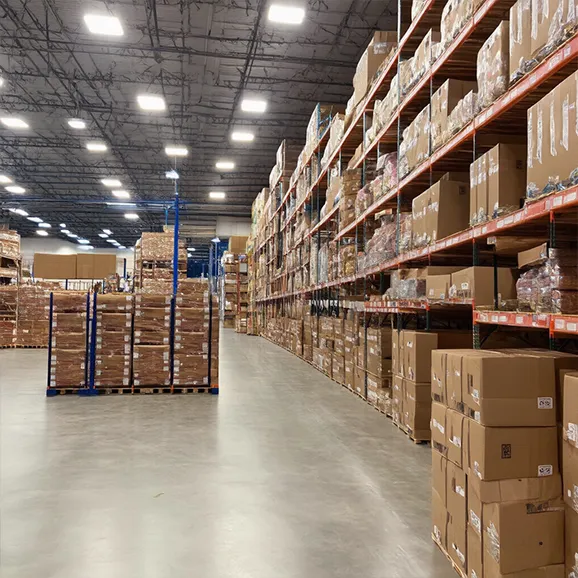
Sea transportation delivers exceptional cost efficiency for businesses moving large volumes of goods internationally, offering significantly lower per-unit shipping costs compared to air freight or land-based alternatives. The capacity advantage of maritime vessels allows companies to transport thousands of containers simultaneously, maximizing economies of scale and reducing overall logistics expenses. This transportation mode provides unmatched flexibility in handling diverse cargo types, from perishable goods in refrigerated containers to oversized industrial equipment and hazardous materials requiring specialized handling. Businesses benefit from established global shipping networks that connect major economic centers, ensuring reliable access to international markets and supply chain partners. Sea transportation supports inventory management strategies by enabling predictable transit times and scheduled service routes that help companies plan production cycles and stock replenishment effectively. The operational reliability of modern shipping lines, combined with comprehensive cargo insurance options, minimizes financial risks associated with goods in transit. Environmental sustainability represents a growing advantage, as sea transportation produces significantly lower carbon emissions per ton-mile compared to air transport, helping companies meet corporate sustainability goals and regulatory requirements. The infrastructure supporting sea transportation continues advancing with digital platforms that streamline documentation, customs clearance, and shipment tracking, reducing administrative burdens and improving supply chain transparency. Port facilities worldwide offer integrated logistics services including warehousing, quality inspection, and last-mile delivery coordination, providing end-to-end solutions that simplify international trade operations. For businesses evaluating transportation options, sea transportation presents the optimal choice when prioritizing cost control, large-volume capacity, global reach, environmental responsibility, and dependable service quality that supports long-term commercial success.

Latest News

What Is International Logistics

07

Nov

What Is International Logistics

GES Oriental Global offers reliable international logistics solutions, including air, sea, and rail transport. Expert services for traditional trade and cross-border e-commerce.
View More
Sea Transport: The Pillar of Global Supply Chains

07

Nov

Sea Transport: The Pillar of Global Supply Chains

GES Oriental Global offers reliable sea transport services, ensuring secure and timely delivery across oceans. We specialize in global shipping for e-commerce and traditional trade.
View More
Shipping Terms You Should Know as a Global Business

22

Nov

Shipping Terms You Should Know as a Global Business

GES Oriental Global simplifies global trade with expert shipping term guidance and diverse logistics services.
View More
Challenges and solutions for cross-border e-commerce logistics

26

Jan

Challenges and solutions for cross-border e-commerce logistics

Explore the essential aspects of cross-border e-commerce logistics, including its challenges, benefits, and strategies for overcoming obstacles. Learn about key players and future trends in international trade logistics.
View More

Get a Free Quote

Our representative will contact you soon.
Email
Name
Company Name
Message
0/1000

sea transportation

Global Connectivity and Market Access

Global Connectivity and Market Access

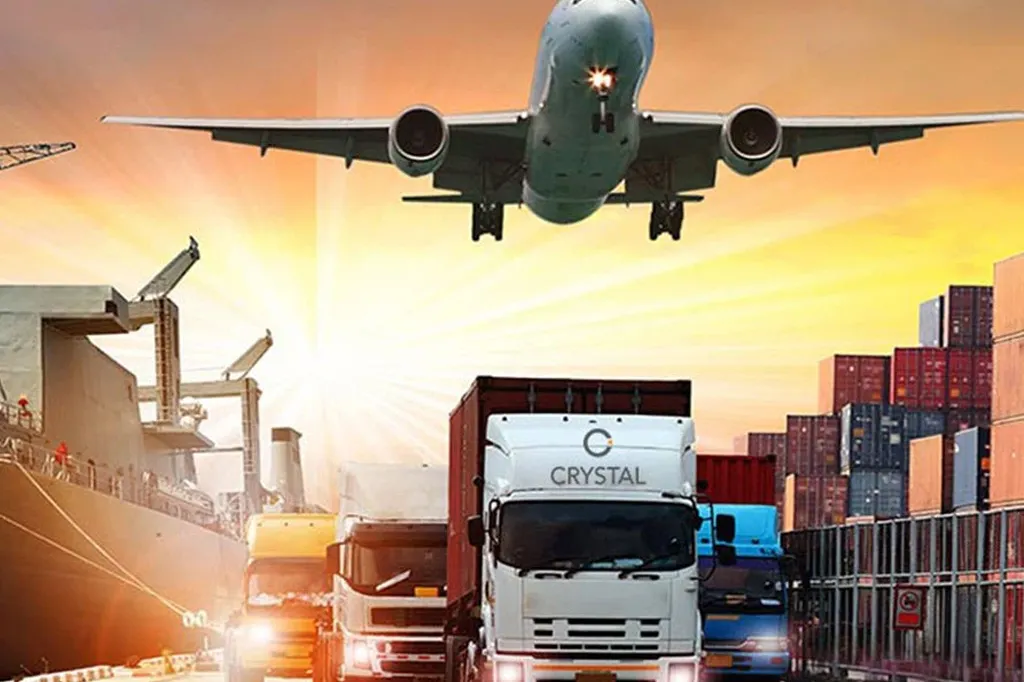
Sea transportation creates seamless connections between global markets, enabling businesses to reach customers and suppliers across six continents through an extensive network of shipping routes and port facilities. This worldwide maritime infrastructure encompasses over 50,000 merchant ships operating on established trade lanes that link manufacturing hubs with consumption centers efficiently. The strategic positioning of major ports in Asia, Europe, North America, and emerging markets ensures that companies can access both developed and growing economies through consolidated sea transportation services. Shipping alliances and vessel-sharing agreements between major carriers provide frequent departures and diverse routing options, giving businesses flexibility in planning their supply chain operations. The intermodal capabilities of modern sea transportation integrate smoothly with rail, trucking, and air freight services, creating comprehensive door-to-door logistics solutions that eliminate gaps in the transportation chain. This global connectivity advantage allows small and medium enterprises to compete internationally by accessing the same shipping infrastructure used by multinational corporations, democratizing international trade opportunities and supporting business expansion strategies across borders and regions.
Advanced Technology and Operational Efficiency

Advanced Technology and Operational Efficiency

Modern sea transportation leverages cutting-edge technology systems that transform maritime logistics into a highly efficient, transparent, and controllable operation for shippers and logistics managers. Advanced vessel designs incorporate fuel-efficient engines, optimized hull configurations, and automated cargo handling systems that reduce operational costs while improving speed and reliability. Digital platforms provide real-time shipment tracking, predictive arrival notifications, and instant documentation access, giving businesses complete visibility into their cargo status throughout the entire maritime journey. Electronic booking systems streamline the reservation process, while blockchain technology is being implemented for secure, tamper-proof documentation that accelerates customs clearance and reduces paperwork delays. Smart containers equipped with sensors monitor temperature, humidity, and shock conditions, ensuring cargo integrity and providing data-driven insights for quality control and compliance verification. Port automation technologies including robotic cranes and autonomous vehicles accelerate loading and unloading operations, reducing vessel turnaround times and improving schedule reliability. The integration of artificial intelligence and machine learning optimizes route planning, weather avoidance, and fuel consumption, delivering cost savings and environmental benefits that enhance the overall value proposition of sea transportation for businesses seeking competitive advantages.
Capacity and Cost-Effectiveness for Bulk Shipments

Capacity and Cost-Effectiveness for Bulk Shipments

Sea transportation offers unparalleled capacity advantages that make it the most economical choice for businesses shipping large quantities of goods internationally or across long distances. Modern container vessels can carry between 10,000 to 24,000 twenty-foot equivalent units in a single voyage, providing massive economies of scale that dramatically reduce per-unit transportation costs compared to other freight methods. Bulk carriers and tankers transport raw materials, grains, minerals, and liquids in volumes measured in hundreds of thousands of tons, supporting industries that depend on cost-effective mass transportation for maintaining competitive pricing. The cost differential between sea transportation and air freight can exceed 10 to 15 times, making maritime shipping the financially rational choice for non-urgent shipments where transit time flexibility exists. This cost advantage extends throughout the supply chain, as lower transportation expenses reduce overall product costs, improve profit margins, and enable competitive pricing strategies in target markets. Businesses managing seasonal inventory, annual supply contracts, or project-based cargo movements find that sea transportation accommodates variable volume requirements through flexible container booking options and charter services, providing scalability without proportional cost increases that characterize other transportation modes.