Sea Freight Solutions for Global Shipping Needs

Get a Free Quote

Our representative will contact you soon.
Email
Name
Company Name
Message
0/1000

sea freight

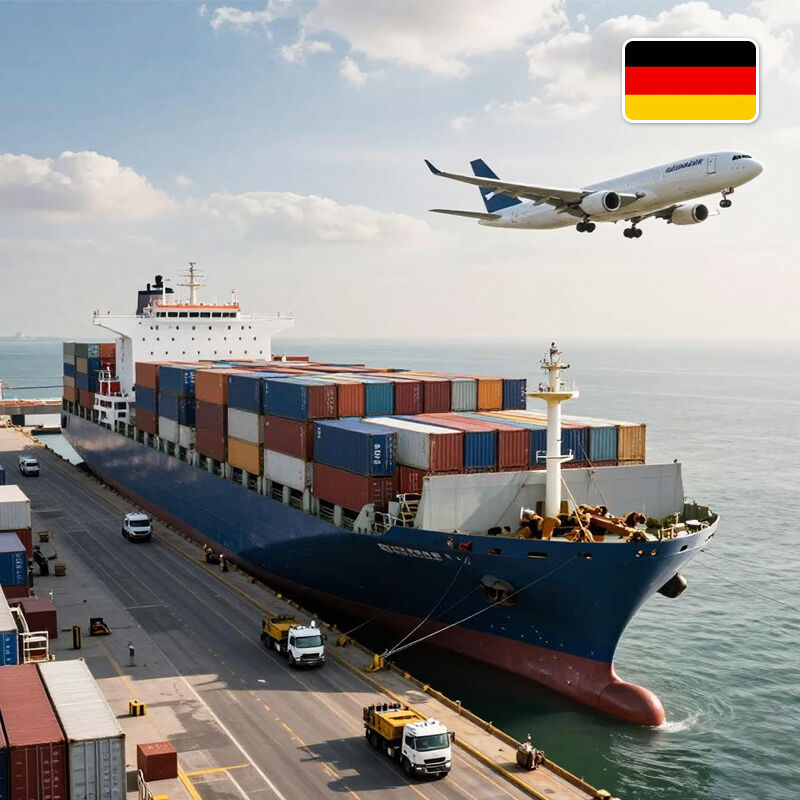
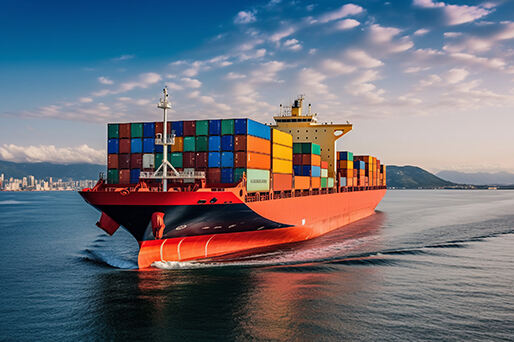
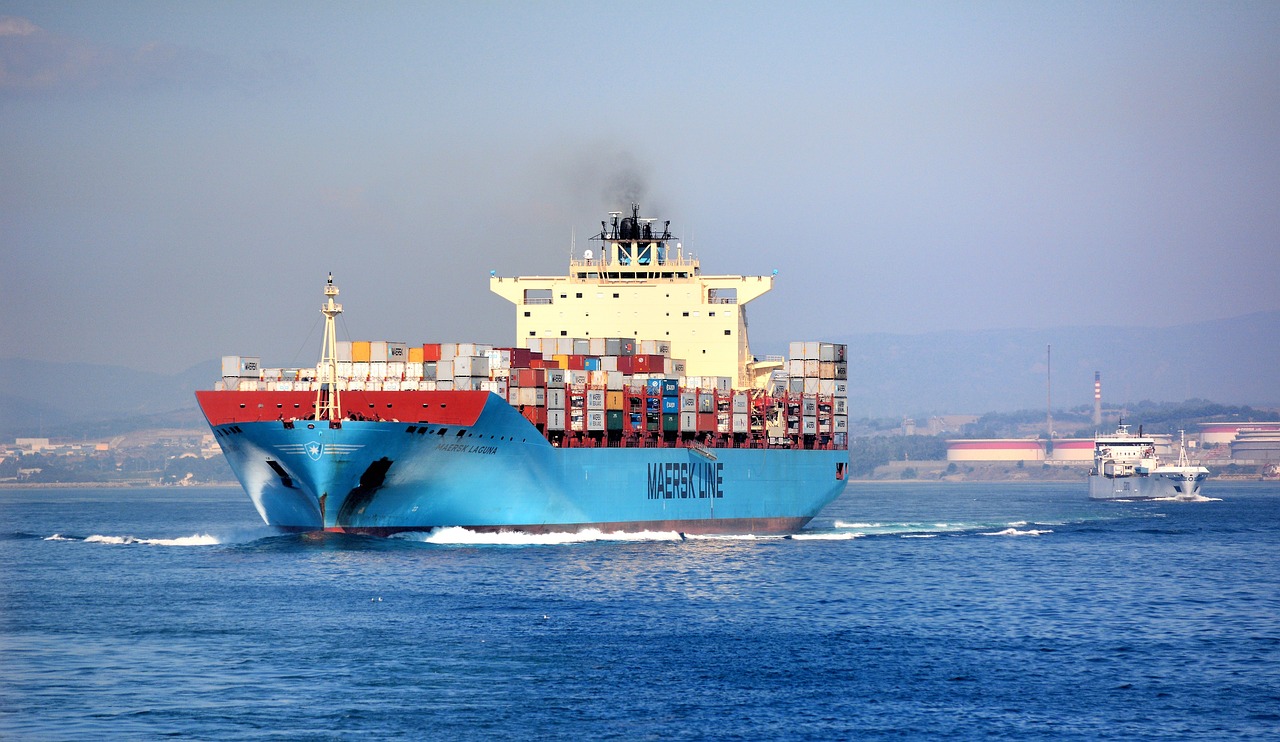
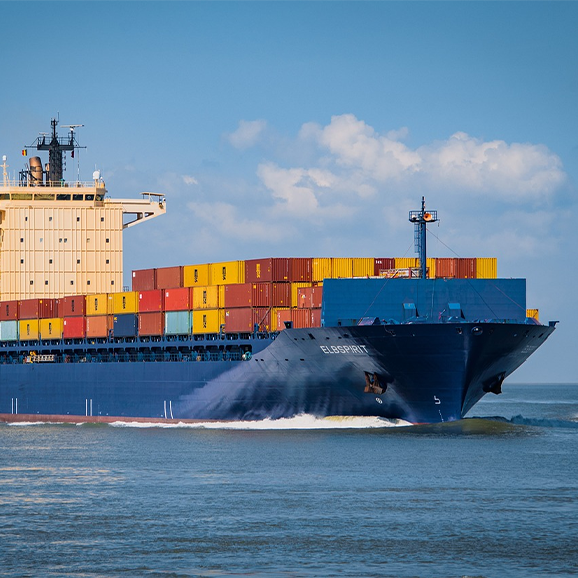
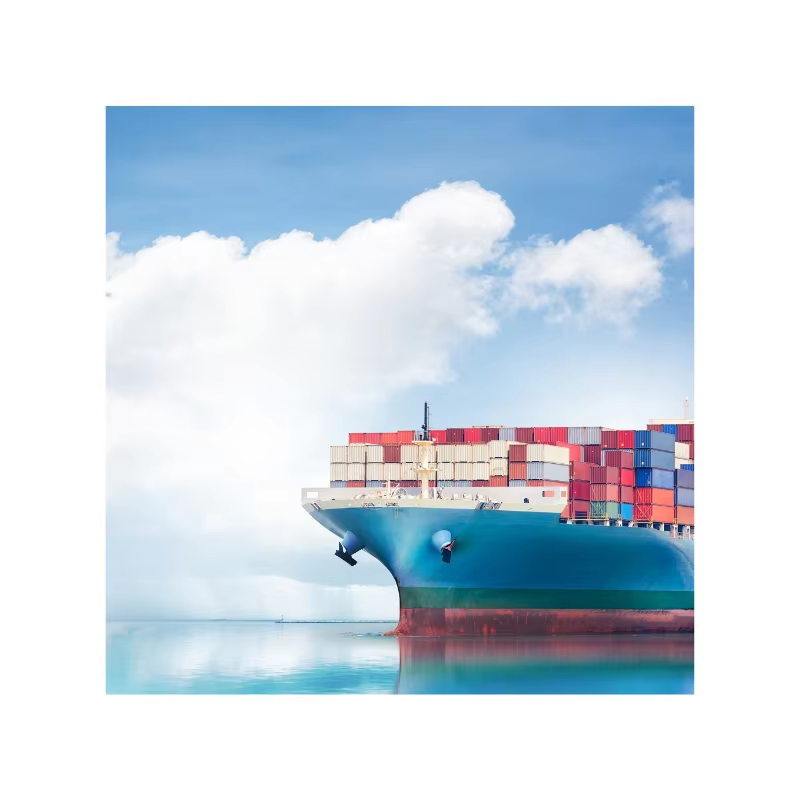
Sea freight represents the backbone of international trade, serving as the most cost-effective method for transporting large volumes of goods across oceans and waterways worldwide. This shipping solution encompasses the movement of cargo via container ships, bulk carriers, and specialized vessels, connecting manufacturers, suppliers, and consumers across continents. Sea freight operations utilize standardized containers, typically 20-foot or 40-foot units, enabling efficient loading, unloading, and intermodal transportation. The technological infrastructure supporting sea freight includes advanced tracking systems, automated port facilities, and sophisticated logistics software that monitors shipments in real-time. Modern sea freight services offer flexible options including Full Container Load (FCL) for exclusive container use and Less than Container Load (LCL) for smaller shipments sharing container space. The industry has evolved to incorporate eco-friendly practices, with newer vessels featuring fuel-efficient engines and reduced emission technologies. Sea freight accommodates virtually any cargo type, from raw materials and manufactured goods to perishables and oversized equipment, with specialized handling for temperature-sensitive or hazardous materials. Global shipping routes connect major ports across Asia, Europe, North America, and other continents, providing comprehensive coverage for international commerce. The integration of digital documentation, customs clearance systems, and supply chain visibility tools has streamlined sea freight operations, reducing delays and improving reliability for businesses engaged in global trade activities.

New Product Recommendations

Choosing sea freight delivers substantial cost savings compared to air transportation, particularly for heavy or bulky shipments, making it the preferred option for businesses managing tight budgets without compromising delivery reliability. The capacity advantage stands unmatched, as a single container ship transports thousands of containers simultaneously, enabling economies of scale that reduce per-unit shipping costs significantly. Sea freight provides flexibility in cargo size and weight, accommodating everything from small parcels consolidated in LCL shipments to oversized machinery requiring specialized flat-rack containers or break-bulk vessels. Environmental considerations increasingly influence shipping decisions, and sea freight produces considerably lower carbon emissions per ton-mile compared to air freight, supporting corporate sustainability goals while maintaining operational efficiency. The established global network of sea freight routes ensures connectivity to virtually any international destination, with regular sailing schedules providing predictable transit times for supply chain planning. Insurance costs typically run lower for sea freight due to reduced risk factors and established safety protocols, protecting your investment while goods traverse international waters. Modern sea freight operations offer enhanced security through container sealing, GPS tracking, and port surveillance systems, giving shippers confidence their cargo remains protected throughout the journey. The ability to ship diverse product categories simultaneously, from electronics to textiles to industrial equipment, makes sea freight an ideal solution for businesses with varied inventory needs. Documentation and customs processes have become increasingly streamlined through digital platforms, reducing administrative burden and accelerating clearance times at destination ports. For businesses establishing long-term international supply chains, sea freight provides the reliability, predictability, and cost structure necessary for sustainable growth in competitive global markets.

Latest News

What Is International Logistics

07

Nov

What Is International Logistics

GES Oriental Global offers reliable international logistics solutions, including air, sea, and rail transport. Expert services for traditional trade and cross-border e-commerce.
View More
Warehousing Services: The Core of Supply Chain Management

07

Nov

Warehousing Services: The Core of Supply Chain Management

Maximize efficiency with GES Oriental Global's warehousing services. We offer comprehensive inventory management, distribution, and fulfillment solutions for global supply chains.
View More
Tracking Shipments: Why Real-Time Visibility Matters

20

Dec

Tracking Shipments: Why Real-Time Visibility Matters

GES Oriental Global offers advanced real-time tracking solutions for shipments, enhancing supply chain efficiency and customer transparency.
View More
Managing Shipping Risks and How to Mitigate Them

25

Dec

Managing Shipping Risks and How to Mitigate Them

GES Oriental Global offers comprehensive transportation solutions with risk management to ensure safe, efficient, and timely delivery of goods worldwide.
View More

Get a Free Quote

Our representative will contact you soon.
Email
Name
Company Name
Message
0/1000

sea freight

Unmatched Cost Efficiency for Volume Shipping

Unmatched Cost Efficiency for Volume Shipping

Sea freight stands as the most economical transportation method for international cargo movement, particularly when dealing with substantial volumes or heavy goods that would otherwise incur prohibitive costs through alternative shipping methods. The fundamental economics of maritime transportation allow carriers to distribute operational expenses across thousands of containers per voyage, translating into remarkably low per-unit costs for shippers. Businesses shipping regularly can negotiate favorable long-term contracts with freight forwarders, securing predictable pricing that facilitates accurate budget forecasting and margin protection. Unlike air freight where costs escalate rapidly with weight and dimension increases, sea freight rates remain comparatively stable regardless of cargo density, making it especially advantageous for heavy machinery, raw materials, or bulk commodities. The cost differential becomes even more pronounced on major trade lanes where competition among carriers and frequent sailing schedules drive rates downward. For startups and small businesses entering international markets, sea freight removes financial barriers to global expansion, enabling competitive pricing strategies that would be impossible with premium transportation modes. This cost advantage extends beyond basic freight charges to include lower insurance premiums and reduced packaging requirements, as the controlled environment of ocean shipping minimizes handling damage risks compared to multiple air transit touchpoints.
Comprehensive Global Connectivity and Flexibility

Comprehensive Global Connectivity and Flexibility

The sea freight network encompasses hundreds of major ports and thousands of secondary terminals worldwide, creating an interconnected system that reaches virtually every coastal nation and many inland destinations through river and canal access. This extensive infrastructure provides businesses with remarkable flexibility in sourcing materials and reaching customers across diverse geographic markets without the limitations inherent in air cargo networks concentrated around major airports. Shipping lines operate regular services on established routes, with weekly or bi-weekly departures ensuring consistent capacity availability for both urgent and routine shipments. The variety of vessel types and container options within sea freight accommodates extraordinary cargo diversity, from standard dry goods in conventional containers to refrigerated produce in reefer units, from automobiles on roll-on-roll-off ships to project cargo requiring specialized handling. This versatility eliminates the need to coordinate multiple transportation providers for different product types, simplifying logistics management and reducing coordination complexity. Intermodal connectivity allows seamless transitions from ocean vessels to rail or truck transportation, extending sea freight reach to landlocked regions while maintaining cost advantages. For businesses managing complex supply chains with multiple origin points and diverse destination requirements, sea freight offers the adaptability necessary to optimize routing, consolidate shipments strategically, and respond dynamically to changing market demands without infrastructure constraints.
Enhanced Security and Environmental Sustainability

Enhanced Security and Environmental Sustainability

Modern sea freight operations incorporate sophisticated security measures that protect cargo throughout the international journey, from origin port loading through destination delivery. Container sealing systems, unique identification numbers, and tamper-evident technologies ensure shipment integrity, while advanced tracking platforms provide real-time visibility into vessel positions, port arrivals, and estimated delivery windows. Port facilities worldwide have implemented stringent security protocols including screening procedures, restricted access zones, and surveillance systems that minimize theft and unauthorized access risks. These comprehensive security frameworks give businesses confidence when shipping valuable inventory across international borders, knowing that established procedures and technologies safeguard their investments. Equally important in contemporary commerce, sea freight represents the most environmentally responsible option for international goods movement, producing approximately 90 percent less carbon dioxide per ton-mile than air transportation. Shipping companies continue investing in cleaner technologies, including low-sulfur fuels, advanced hull designs that reduce water resistance, and route optimization software that minimizes fuel consumption and emissions. For corporations committed to environmental stewardship and sustainability reporting, choosing sea freight demonstrates tangible commitment to reducing transportation-related carbon footprints while maintaining operational effectiveness. This combination of robust security and environmental responsibility positions sea freight as the intelligent choice for forward-thinking businesses balancing protection, performance, and planetary considerations in their global logistics strategies.